





SAP
Company Details
Linkedin ID:
sap
Website:
Employees number:
133,175
Number of followers:
4,379,062
NAICS:
5112
Industry Type:
Homepage:
sap.com
IP Addresses:
27
Company ID:
SAP_1049751
Scan Status:
Completed

SAP Company CyberSecurity Posture
sap.com



SAP is the leading enterprise application and business AI company. We stand at the intersection of business and technology, where our innovations are designed to directly address real business challenges and produce real-world impacts. Our solutions are the backbone for the world’s most complex and demanding processes. SAP’s integrated portfolio unites the elements of modern organizations — from workforce and financials to customers and supply chains — into a unified ecosystem that drives progress. SAP privacy statement for followers: www.sap.com/sps Our Community Guidelines At SAP, we're committed to fostering meaningful conversations that respect everyone in our community. To maintain a positive environment, we moderate comments that: • Target individuals personally, including our employees, customers, or partners • Contain discriminatory, harassing, or threatening language/content • Share personal information without consent • Promote misinformation or spam or 3rd-party links We believe in open dialogue and constructive feedback, but we will remove content that violates these guidelines without notice. We appreciate your understanding and contribution to a respectful community. For questions about our moderation practices, please DM or contact us at [email protected].
Company Details
sap
133,175
4,379,062
5112
sap.com
27
SAP_1049751
Completed
 SAP Risk Score (AI oriented)
Between 750 and 799
 SAP Global Score (TPRM)
XXXX
Description: Former CTO Jürgen Müller left SAP due to an 'incident' of inappropriate behavior at a company event, leading to an investigation into allegations of sexual harassment. Müller's departure was mutually agreed upon, and he received a compensation payout of €7.1 million ($7.5 million). The incident resulted in financial loss due to severance payments and could potentially damage SAP's reputation due to the nature of the misconduct and the public scrutiny of executive compensations.
Description: In late April, SAP fixed a severe bug in NetWeaver Visual Composer Metadata Uploader, affecting over 1,200 instances. Multiple ransomware operators, including BianLian and RansomEXX, exploited this flaw. The bug allowed unauthenticated actors to upload malicious executables. SAP also patched a separate critical zero-day vulnerability in NetWeaver server, tracked as CVE-2025-42999, with a severity score of 9.1/10. Both vulnerabilities were abused in attacks since January 2025.
Description: A critical **SAP S/4HANA code injection vulnerability (CVE-2025-42957, CVSS 9.9)** is being actively exploited in the wild, allowing low-privileged attackers to inject arbitrary ABAP code, bypass authorization, and achieve full system takeover. Despite SAP releasing a patch on **August 11, 2025**, unpatched systems remain exposed due to the ease of reverse-engineering the fix. Exploitation enables **data theft, manipulation, privilege escalation (via backdoor accounts), credential theft, and operational disruption**—including potential **ransomware deployment or malware-based outages**. SecurityBridge, which discovered and reported the flaw, confirmed **real-world abuse**, warning that skilled threat actors can weaponize it trivially. The vulnerability affects multiple SAP products, including **S/4HANA (Private Cloud/On-Premise), NetWeaver ABAP, and Business One**, risking **enterprise-wide compromise**. Administrators are urged to apply patches immediately, but delayed updates leave critical infrastructure vulnerable to **full system hijacking, financial fraud, or supply-chain attacks** via compromised SAP servers. The flaw’s severity stems from its ability to **disrupt core business operations, expose sensitive data, and enable follow-on attacks** like ransomware or lateral movement into connected networks.
Description: SAP addressed a **critical insecure deserialization vulnerability (CVE-2025-42944, CVSS 10.0)** in its **SAP NetWeaver** platform, allowing unauthenticated attackers to execute arbitrary OS commands via malicious payloads submitted through the **RMI-P4 module** on an open port. Successful exploitation could fully compromise the **confidentiality, integrity, and availability** of the affected system, enabling attackers to take control of servers, steal sensitive data, or disrupt operations. While no in-the-wild attacks were reported, the flaw posed a severe risk to enterprises relying on NetWeaver for core business processes. Additionally, SAP patched a **Directory Traversal vulnerability (CVE-2025-42937, CVSS 9.8)** in **SAP Print Service (SAPSprint)**, permitting unauthenticated attackers to overwrite system files via path traversal, and an **Unrestricted File Upload flaw (CVE-2025-42910, CVSS 9.0)** in **SAP Supplier Relationship Management**, allowing authenticated attackers to upload and execute malicious files. These vulnerabilities collectively exposed organizations to **data breaches, system takeovers, and operational disruptions**, particularly in supply chain and enterprise resource planning (ERP) environments.
Description: SAP's NetWeaver Application Server Java was found vulnerable to a critical directory traversal flaw identified as CVE-2017-12637. This vulnerability allows remote attackers to read arbitrary files, potentially leading to a compromise of sensitive information and system integrity. The flaw, given a CVSS score of 7.5, indicates a high severity risk. Being actively exploited in the wild, the Cybersecurity and Infrastructure Security Agency (CISA) has mandated federal agencies to mitigate this risk urgently by April 9, 2025. Failure to patch or apply CISA's advisories could lead to serious data breaches, affecting customer and organizational data and disrupting significant operational capacities.
Description: German software giant SAP's widely-used SAP NetWeaver was exploited due to a critical vulnerability in its Visual Composer development server. The vulnerability enabled an unauthenticated attacker to upload potentially harmful executable binaries. This compromise could significantly affect the confidentiality, integrity, and availability of the targeted system. The vulnerability was detected in April 2025 and assigned the highest severity score by SAP, 10.0 (CVSS v3.1). Although SAP quickly released an emergency fix, affected systems running the latest SAP service pack were already exploited, signifying a zero-day attack.


SAP has 762.07% more incidents than the average of same-industry companies with at least one recorded incident.
SAP has 541.03% more incidents than the average of all companies with at least one recorded incident.
SAP reported 5 incidents this year: 0 cyber attacks, 1 ransomware, 3 vulnerabilities, 1 data breaches, compared to industry peers with at least 1 incident.
SAP cyber incidents detection timeline including parent company and subsidiaries

SAP is the leading enterprise application and business AI company. We stand at the intersection of business and technology, where our innovations are designed to directly address real business challenges and produce real-world impacts. Our solutions are the backbone for the world’s most complex and demanding processes. SAP’s integrated portfolio unites the elements of modern organizations — from workforce and financials to customers and supply chains — into a unified ecosystem that drives progress. SAP privacy statement for followers: www.sap.com/sps Our Community Guidelines At SAP, we're committed to fostering meaningful conversations that respect everyone in our community. To maintain a positive environment, we moderate comments that: • Target individuals personally, including our employees, customers, or partners • Contain discriminatory, harassing, or threatening language/content • Share personal information without consent • Promote misinformation or spam or 3rd-party links We believe in open dialogue and constructive feedback, but we will remove content that violates these guidelines without notice. We appreciate your understanding and contribution to a respectful community. For questions about our moderation practices, please DM or contact us at [email protected].


About Lazada Group Founded in 2012, Lazada Group is the leading eCommerce platform in Southeast Asia. We are accelerating progress in Indonesia, Malaysia, the Philippines, Singapore, Thailand and Vietnam through commerce and technology. With the largest logistics and payments networks in the regio

GlobalLogic, a Hitachi Group company, is a trusted partner in design, data, and digital engineering for the world’s largest and most innovative companies. Since our inception in 2000, we have been at the forefront of the digital revolution, helping to create some of the most widely used digital prod

NiCE is transforming the world with AI that puts people first. Our purpose-built AI-powered platforms automate engagements into proactive, safe, intelligent actions, empowering individuals and organizations to innovate and act, from interaction to resolution. Trusted by organizations throughout 150

Cisco is the worldwide technology leader that is revolutionizing the way organizations connect and protect in the AI era. For more than 40 years, Cisco has securely connected the world. With its industry leading AI-powered solutions and services, Cisco enables its customers, partners and communities

Trimble is a global technology company that connects the physical and digital worlds, transforming the ways work gets done. With relentless innovation in precise positioning, modeling and data analytics, Trimble enables essential industries including construction, geospatial and transportation. Whet

Adobe is the global leader in digital media and digital marketing solutions. Our creative, marketing and document solutions empower everyone – from emerging artists to global brands – to bring digital creations to life and deliver immersive, compelling experiences to the right person at the right mo

HubSpot is a leading CRM platform that provides software and support to help businesses grow better. Our platform includes marketing, sales, service, and website management products that start free and scale to meet our customers’ needs at any stage of growth. Today, thousands of customers around th
Atlassian powers the collaboration that helps teams accomplish what would otherwise be impossible alone. From space missions and motor racing to bugs in code and IT requests, no task is too large or too small with the right team, the right tools, and the right practices. Over 300,000 global compa

DiDi Global Inc. is a leading mobility technology platform. It offers a wide range of app-based services across Asia Pacific, Latin America, and other global markets, including ride hailing, taxi hailing, designated driving, hitch and other forms of shared mobility as well as certain energy and vehi
.png)
SecurityBridge is a global cybersecurity platform provider focused on protecting SAP systems from vulnerabilities and threats.
On November 11, SAP released 20 security patches, including three critical ones related to vulnerabilities in SQL Anywhere Monitor,...
This week's Two-Minute Tech Briefing covers the Louvre's cybersecurity wake-up call after a jewel heist exposed outdated Windows systems, SAP's shift to...
This week's Two-Minute Tech Briefing covers the Louvre's cybersecurity wake-up call after a jewel heist exposed outdated Windows systems,...
When you buy through links on our articles, Future and its syndication partners may earn a commission. SAP Building. Image Credit: SAP.
SAP has released an update addressing 18 new vulnerabilities, including several critical flaws related to code execution and data injection.
The patches target critical flaws that could enable remote code execution and injection attacks across SAP's product ecosystem,...
SAP released its monthly Security Patch Day updates, addressing 18 new security notes and providing two updates to existing ones,...
Join Secure Together New York 2025 by SecurityBridge, featuring SAP cybersecurity insights on AI, quantum security, and zero-trust...

Explore insights on cybersecurity incidents, risk posture, and Rankiteo's assessments.
The official website of SAP is http://www.sap.com.
According to Rankiteo, SAP’s AI-generated cybersecurity score is 762, reflecting their Fair security posture.
According to Rankiteo, SAP currently holds 0 security badges, indicating that no recognized compliance certifications are currently verified for the organization.
According to Rankiteo, SAP is not certified under SOC 2 Type 1.
According to Rankiteo, SAP does not hold a SOC 2 Type 2 certification.
According to Rankiteo, SAP is not listed as GDPR compliant.
According to Rankiteo, SAP does not currently maintain PCI DSS compliance.
According to Rankiteo, SAP is not compliant with HIPAA regulations.
According to Rankiteo,SAP is not certified under ISO 27001, indicating the absence of a formally recognized information security management framework.
SAP operates primarily in the Software Development industry.
SAP employs approximately 133,175 people worldwide.
SAP presently has no subsidiaries across any sectors.
SAP’s official LinkedIn profile has approximately 4,379,062 followers.
SAP is classified under the NAICS code 5112, which corresponds to Software Publishers.
Yes, SAP has an official profile on Crunchbase, which can be accessed here: https://www.crunchbase.com/organization/sap.
Yes, SAP maintains an official LinkedIn profile, which is actively utilized for branding and talent engagement, which can be accessed here: https://www.linkedin.com/company/sap.
As of December 11, 2025, Rankiteo reports that SAP has experienced 6 cybersecurity incidents.
SAP has an estimated 27,532 peer or competitor companies worldwide.
Incident Types: The types of cybersecurity incidents that have occurred include Vulnerability, Breach and Ransomware.
Total Financial Loss: The total financial loss from these incidents is estimated to be $7.10 million.
Detection and Response: The company detects and responds to cybersecurity incidents through an remediation measures with mutual agreement on departure and compensation payout, and remediation measures with patching, remediation measures with applying cisa's advisories, and remediation measures with emergency fix released by sap, and third party assistance with securitybridge (vulnerability discovery & patch development), and containment measures with apply august 2025 sap patch day updates, and communication strategy with sap customer bulletin (restricted access), communication strategy with securitybridge report, communication strategy with public advisory via bleepingcomputer, and incident response plan activated with yes (vulnerabilities patched), and containment measures with software patches released for cve-2025-42944, cve-2025-42937, cve-2025-42910, and remediation measures with users advised to apply security updates immediately, and communication strategy with public advisory via sap security notes, communication strategy with media coverage (e.g., securityaffairs)..
Title: Inappropriate Behavior Incident Leading to CTO Departure
Description: Former CTO Jürgen Müller left SAP due to an 'incident' of inappropriate behavior at a company event, leading to an investigation into allegations of sexual harassment. Müller's departure was mutually agreed upon, and he received a compensation payout of €7.1 million ($7.5 million). The incident resulted in financial loss due to severance payments and could potentially damage SAP's reputation due to the nature of the misconduct and the public scrutiny of executive compensations.
Type: Misconduct
Threat Actor: Former CTO Jürgen Müller
Motivation: Inappropriate behavior
Title: SAP NetWeaver Application Server Java Directory Traversal Vulnerability
Description: SAP's NetWeaver Application Server Java was found vulnerable to a critical directory traversal flaw identified as CVE-2017-12637. This vulnerability allows remote attackers to read arbitrary files, potentially leading to a compromise of sensitive information and system integrity. The flaw, given a CVSS score of 7.5, indicates a high severity risk. Being actively exploited in the wild, the Cybersecurity and Infrastructure Security Agency (CISA) has mandated federal agencies to mitigate this risk urgently by April 9, 2025. Failure to patch or apply CISA's advisories could lead to serious data breaches, affecting customer and organizational data and disrupting significant operational capacities.
Type: Vulnerability Exploitation
Attack Vector: Directory Traversal
Vulnerability Exploited: CVE-2017-12637
Title: SAP NetWeaver Visual Composer Vulnerability Exploitation
Description: A critical vulnerability in SAP NetWeaver's Visual Composer development server allowed an unauthenticated attacker to upload potentially harmful executable binaries, affecting the confidentiality, integrity, and availability of the targeted system.
Date Detected: April 2025
Type: Zero-day attack
Attack Vector: Unauthenticated upload of executable binaries
Vulnerability Exploited: Critical vulnerability in SAP NetWeaver Visual Composer development server
Title: SAP NetWeaver Visual Composer Metadata Uploader Vulnerability
Description: In late April, SAP fixed a severe bug in NetWeaver Visual Composer Metadata Uploader, affecting over 1,200 instances. Multiple ransomware operators, including BianLian and RansomEXX, exploited this flaw. The bug allowed unauthenticated actors to upload malicious executables. SAP also patched a separate critical zero-day vulnerability in NetWeaver server, tracked as CVE-2025-42999, with a severity score of 9.1/10. Both vulnerabilities were abused in attacks since January 2025.
Date Detected: 2025-01-01
Date Resolved: 2025-04-01
Type: vulnerability
Attack Vector: unauthenticated uploadzero-day exploit
Vulnerability Exploited: CVE-2025-42999
Threat Actor: BianLianRansomEXX
Motivation: financial gain
Title: Critical SAP S/4HANA Code Injection Vulnerability (CVE-2025-42957) Exploited in the Wild
Description: A critical SAP S/4HANA code injection vulnerability (CVE-2025-42957) is being actively exploited in the wild. The flaw, an ABAP code injection issue in an RFC-exposed function module, allows low-privileged authenticated users to inject arbitrary code, bypass authorization, and fully take over SAP systems. SAP released a patch on August 11, 2025, but unpatched systems remain at risk. Exploitation can lead to data theft, manipulation, privilege escalation, credential theft, and operational disruption via malware or ransomware. SecurityBridge, which discovered and reported the vulnerability, confirmed limited but active abuse and warned of the ease of reverse-engineering the patch due to the openness of SAP ABAP code.
Date Detected: 2025-06-27
Date Publicly Disclosed: 2025-08-11
Type: Vulnerability Exploitation
Attack Vector: NetworkRFC-Exposed Function ModuleABAP Code Injection
Vulnerability Exploited: CVE-2025-42957 (ABAP Code Injection in SAP S/4HANA)
Motivation: Data TheftData ManipulationPrivilege EscalationCredential TheftOperational DisruptionPotential Financial Gain
Title: SAP Fixed Maximum-Severity Bug in NetWeaver (CVE-2025-42944)
Description: SAP addressed 13 new vulnerabilities, including a maximum severity issue (CVE-2025-42944, CVSS score of 10.0) in SAP NetWeaver. The vulnerability is an **insecure deserialization** that could lead to **arbitrary command execution** by an unauthenticated attacker via the **RMI-P4 module** through an open port. The deserialization of untrusted Java objects could compromise the application’s **confidentiality, integrity, and availability**. Two other critical flaws were patched: **CVE-2025-42937** (Directory Traversal in SAP Print Service, CVSS 9.8) and **CVE-2025-42910** (Unrestricted File Upload in SAP Supplier Relationship Management, CVSS 9.0). No attacks in the wild were reported.
Date Publicly Disclosed: 2025-10-15
Type: Vulnerability Disclosure
Attack Vector: Network (RMI-P4 module)Path Traversal (SAP Print Service)File Upload (SAP Supplier Relationship Management)
Common Attack Types: The most common types of attacks the company has faced is Vulnerability.
Identification of Attack Vectors: The company identifies the attack vectors used in incidents through RFC-Exposed Function Module in SAP S/4HANA.

Financial Loss: €7.1 million ($7.5 million)
Brand Reputation Impact: Potential damage due to the nature of the misconduct and public scrutiny of executive compensations

Data Compromised: Customer data, Organizational data
Systems Affected: SAP NetWeaver Application Server Java
Operational Impact: Significant operational capacities disrupted
Systems Affected: Systems running the latest SAP service pack
Systems Affected: over 1,200 instances
Identity Theft Risk: True
Systems Affected: SAP NetWeaverSAP Print Service (SAPSprint)SAP Supplier Relationship Management
Operational Impact: High (potential compromise of confidentiality, integrity, and availability)
Brand Reputation Impact: Potential (due to critical vulnerabilities in enterprise software)
Average Financial Loss: The average financial loss per incident is $1.18 million.
Commonly Compromised Data Types: The types of data most commonly compromised in incidents are Customer Data, Organizational Data, , Sensitive Business Data, Credentials, Potentially Pii and .
Entity Name: SAP
Entity Type: Organization
Industry: Software
Entity Name: SAP
Entity Type: Software Company
Industry: Information Technology
Location: Germany
Entity Name: SAP
Entity Type: Enterprise Software Provider
Industry: Technology
Location: Global
Size: Large
Entity Name: SAP SE
Entity Type: Software Corporation
Industry: Enterprise Software
Location: Walldorf, Germany
Size: Large (100,000+ employees)
Remediation Measures: Mutual agreement on departure and compensation payout
Remediation Measures: PatchingApplying CISA's advisories
Remediation Measures: Emergency fix released by SAP
Third Party Assistance: Securitybridge (Vulnerability Discovery & Patch Development).
Containment Measures: Apply August 2025 SAP Patch Day Updates
Communication Strategy: SAP Customer Bulletin (Restricted Access)SecurityBridge ReportPublic Advisory via BleepingComputer
Incident Response Plan Activated: Yes (vulnerabilities patched)
Containment Measures: Software patches released for CVE-2025-42944, CVE-2025-42937, CVE-2025-42910
Remediation Measures: Users advised to apply security updates immediately
Communication Strategy: Public advisory via SAP Security NotesMedia coverage (e.g., SecurityAffairs)
Incident Response Plan: The company's incident response plan is described as Yes (vulnerabilities patched).
Third-Party Assistance: The company involves third-party assistance in incident response through SecurityBridge (Vulnerability Discovery & Patch Development), .
Type of Data Compromised: Customer data, Organizational data
Type of Data Compromised: Sensitive business data, Credentials, Potentially pii
Sensitivity of Data: High
Prevention of Data Exfiltration: The company takes the following measures to prevent data exfiltration: Mutual agreement on departure and compensation payout, Patching, Applying CISA's advisories, , Emergency fix released by SAP, , Users advised to apply security updates immediately, .
Handling of PII Incidents: The company handles incidents involving personally identifiable information (PII) through by apply august 2025 sap patch day updates, , software patches released for cve-2025-42944, cve-2025-42937, cve-2025-42910 and .
Ransomware Strain: BianLianRansomEXX
Lessons Learned: Critical vulnerabilities in enterprise software like SAP S/4HANA can be quickly weaponized if patches are delayed. The openness of ABAP code makes reverse-engineering fixes easier for threat actors, emphasizing the need for timely patching and proactive monitoring. RFC-exposed function modules are high-value targets for code injection attacks, requiring strict access controls and regular audits.
Lessons Learned: Critical vulnerabilities in enterprise software like SAP NetWeaver can expose organizations to severe risks (e.g., arbitrary command execution) if left unpatched. Proactive patch management and input validation (e.g., deserialization, file uploads) are essential to mitigate such threats.
Recommendations: Patch the vulnerability, Apply CISA's advisoriesPatch the vulnerability, Apply CISA's advisories
Recommendations: Immediately apply SAP's August 2025 Patch Day updates for affected products., Conduct a thorough audit of RFC-exposed function modules in SAP environments., Implement least-privilege access controls for SAP users to mitigate code injection risks., Monitor for unusual activity in SAP logs, particularly related to ABAP code execution., Engage with SAP and SecurityBridge for guidance on securing vulnerable systems., Restrict access to SAP customer bulletins and ensure internal teams are aware of critical vulnerabilities., Consider network segmentation to isolate SAP systems from untrusted networks.Immediately apply SAP's August 2025 Patch Day updates for affected products., Conduct a thorough audit of RFC-exposed function modules in SAP environments., Implement least-privilege access controls for SAP users to mitigate code injection risks., Monitor for unusual activity in SAP logs, particularly related to ABAP code execution., Engage with SAP and SecurityBridge for guidance on securing vulnerable systems., Restrict access to SAP customer bulletins and ensure internal teams are aware of critical vulnerabilities., Consider network segmentation to isolate SAP systems from untrusted networks.Immediately apply SAP's August 2025 Patch Day updates for affected products., Conduct a thorough audit of RFC-exposed function modules in SAP environments., Implement least-privilege access controls for SAP users to mitigate code injection risks., Monitor for unusual activity in SAP logs, particularly related to ABAP code execution., Engage with SAP and SecurityBridge for guidance on securing vulnerable systems., Restrict access to SAP customer bulletins and ensure internal teams are aware of critical vulnerabilities., Consider network segmentation to isolate SAP systems from untrusted networks.Immediately apply SAP's August 2025 Patch Day updates for affected products., Conduct a thorough audit of RFC-exposed function modules in SAP environments., Implement least-privilege access controls for SAP users to mitigate code injection risks., Monitor for unusual activity in SAP logs, particularly related to ABAP code execution., Engage with SAP and SecurityBridge for guidance on securing vulnerable systems., Restrict access to SAP customer bulletins and ensure internal teams are aware of critical vulnerabilities., Consider network segmentation to isolate SAP systems from untrusted networks.Immediately apply SAP's August 2025 Patch Day updates for affected products., Conduct a thorough audit of RFC-exposed function modules in SAP environments., Implement least-privilege access controls for SAP users to mitigate code injection risks., Monitor for unusual activity in SAP logs, particularly related to ABAP code execution., Engage with SAP and SecurityBridge for guidance on securing vulnerable systems., Restrict access to SAP customer bulletins and ensure internal teams are aware of critical vulnerabilities., Consider network segmentation to isolate SAP systems from untrusted networks.Immediately apply SAP's August 2025 Patch Day updates for affected products., Conduct a thorough audit of RFC-exposed function modules in SAP environments., Implement least-privilege access controls for SAP users to mitigate code injection risks., Monitor for unusual activity in SAP logs, particularly related to ABAP code execution., Engage with SAP and SecurityBridge for guidance on securing vulnerable systems., Restrict access to SAP customer bulletins and ensure internal teams are aware of critical vulnerabilities., Consider network segmentation to isolate SAP systems from untrusted networks.Immediately apply SAP's August 2025 Patch Day updates for affected products., Conduct a thorough audit of RFC-exposed function modules in SAP environments., Implement least-privilege access controls for SAP users to mitigate code injection risks., Monitor for unusual activity in SAP logs, particularly related to ABAP code execution., Engage with SAP and SecurityBridge for guidance on securing vulnerable systems., Restrict access to SAP customer bulletins and ensure internal teams are aware of critical vulnerabilities., Consider network segmentation to isolate SAP systems from untrusted networks.
Recommendations: Apply SAP security patches for CVE-2025-42944, CVE-2025-42937, and CVE-2025-42910 immediately., Restrict network access to SAP NetWeaver’s RMI-P4 module and other exposed services., Implement strict file type/content validation for uploads in SAP Supplier Relationship Management., Monitor for unauthorized file modifications in SAP Print Service (SAPSprint)., Conduct regular security audits for deserialization vulnerabilities in Java-based applications.Apply SAP security patches for CVE-2025-42944, CVE-2025-42937, and CVE-2025-42910 immediately., Restrict network access to SAP NetWeaver’s RMI-P4 module and other exposed services., Implement strict file type/content validation for uploads in SAP Supplier Relationship Management., Monitor for unauthorized file modifications in SAP Print Service (SAPSprint)., Conduct regular security audits for deserialization vulnerabilities in Java-based applications.Apply SAP security patches for CVE-2025-42944, CVE-2025-42937, and CVE-2025-42910 immediately., Restrict network access to SAP NetWeaver’s RMI-P4 module and other exposed services., Implement strict file type/content validation for uploads in SAP Supplier Relationship Management., Monitor for unauthorized file modifications in SAP Print Service (SAPSprint)., Conduct regular security audits for deserialization vulnerabilities in Java-based applications.Apply SAP security patches for CVE-2025-42944, CVE-2025-42937, and CVE-2025-42910 immediately., Restrict network access to SAP NetWeaver’s RMI-P4 module and other exposed services., Implement strict file type/content validation for uploads in SAP Supplier Relationship Management., Monitor for unauthorized file modifications in SAP Print Service (SAPSprint)., Conduct regular security audits for deserialization vulnerabilities in Java-based applications.Apply SAP security patches for CVE-2025-42944, CVE-2025-42937, and CVE-2025-42910 immediately., Restrict network access to SAP NetWeaver’s RMI-P4 module and other exposed services., Implement strict file type/content validation for uploads in SAP Supplier Relationship Management., Monitor for unauthorized file modifications in SAP Print Service (SAPSprint)., Conduct regular security audits for deserialization vulnerabilities in Java-based applications.
Key Lessons Learned: The key lessons learned from past incidents are Critical vulnerabilities in enterprise software like SAP S/4HANA can be quickly weaponized if patches are delayed. The openness of ABAP code makes reverse-engineering fixes easier for threat actors, emphasizing the need for timely patching and proactive monitoring. RFC-exposed function modules are high-value targets for code injection attacks, requiring strict access controls and regular audits.Critical vulnerabilities in enterprise software like SAP NetWeaver can expose organizations to severe risks (e.g., arbitrary command execution) if left unpatched. Proactive patch management and input validation (e.g., deserialization, file uploads) are essential to mitigate such threats.
Source: CISA Advisory
Source: SecurityBridge Report on CVE-2025-42957
Source: BleepingComputer Article
Source: SAP Security Bulletin (August 2025 Patch Day)
Source: SecurityAffairs
URL: https://securityaffairs.com/153422/security/sap-fixed-maximum-severity-bug-netweaver.html
Date Accessed: 2025-10-15
Source: SAP Security Notes
Additional Resources: Stakeholders can find additional resources on cybersecurity best practices at and Source: CISA Advisory, and Source: SecurityBridge Report on CVE-2025-42957, and Source: BleepingComputer Article, and Source: SAP Security Bulletin (August 2025 Patch Day), and Source: SecurityAffairsUrl: https://securityaffairs.com/153422/security/sap-fixed-maximum-severity-bug-netweaver.htmlDate Accessed: 2025-10-15, and Source: SAP Security Notes.
Investigation Status: Ongoing investigation into allegations of sexual harassment
Investigation Status: Ongoing (Limited exploitation confirmed; SAP and SecurityBridge investigating)
Investigation Status: Resolved (patches released; no evidence of exploitation in the wild)
Communication of Investigation Status: The company communicates the status of incident investigations to stakeholders through Sap Customer Bulletin (Restricted Access), Securitybridge Report, Public Advisory Via Bleepingcomputer, Public Advisory Via Sap Security Notes, Media Coverage (E.G. and Securityaffairs).
Stakeholder Advisories: Sap Customers (Via Restricted Bulletin), Enterprise Sap Administrators.
Customer Advisories: Apply patches immediatelyMonitor for signs of exploitationReview SAP security configurations
Customer Advisories: SAP customers urged to apply patches for the three critical vulnerabilities.
Advisories Provided: The company provides the following advisories to stakeholders and customers following an incident: were Sap Customers (Via Restricted Bulletin), Enterprise Sap Administrators, Apply Patches Immediately, Monitor For Signs Of Exploitation, Review Sap Security Configurations, and SAP customers urged to apply patches for the three critical vulnerabilities..
Entry Point: Rfc-Exposed Function Module In Sap S/4Hana,
Backdoors Established: True
High Value Targets: Sap S/4Hana Servers, Business-Critical Data, Credentials,
Data Sold on Dark Web: Sap S/4Hana Servers, Business-Critical Data, Credentials,
Root Causes: Unpatched Sap Systems Vulnerable To Cve-2025-42957, Insufficient Access Controls For Rfc-Exposed Function Modules, Delayed Patching Despite Critical Cvss Score (9.9), Ease Of Reverse-Engineering Abap Code Fixes,
Corrective Actions: Mandatory Patching For All Affected Sap Versions, Enhanced Logging And Monitoring For Abap Code Execution, Access Restrictions For Rfc Function Modules, Regular Vulnerability Assessments For Sap Environments, Collaboration With Sap And Securitybridge For Threat Intelligence,
Root Causes: Insecure Deserialization In Sap Netweaver (Lack Of Input Validation For Java Objects)., Missing Path Traversal Protections In Sap Print Service., Inadequate File Type/Content Verification In Sap Supplier Relationship Management.,
Corrective Actions: Released Security Patches To Address The Vulnerabilities., Enhanced Input Validation Mechanisms In Affected Components., Encouraged Customers To Implement Least-Privilege Access Controls.,
Post-Incident Analysis Process: The company's process for conducting post-incident analysis is described as Securitybridge (Vulnerability Discovery & Patch Development), .
Corrective Actions Taken: The company has taken the following corrective actions based on post-incident analysis: Mandatory Patching For All Affected Sap Versions, Enhanced Logging And Monitoring For Abap Code Execution, Access Restrictions For Rfc Function Modules, Regular Vulnerability Assessments For Sap Environments, Collaboration With Sap And Securitybridge For Threat Intelligence, , Released Security Patches To Address The Vulnerabilities., Enhanced Input Validation Mechanisms In Affected Components., Encouraged Customers To Implement Least-Privilege Access Controls., .
Last Attacking Group: The attacking group in the last incident were an Former CTO Jürgen Müller and BianLianRansomEXX.
Most Recent Incident Detected: The most recent incident detected was on April 2025.
Most Recent Incident Publicly Disclosed: The most recent incident publicly disclosed was on 2025-10-15.
Most Recent Incident Resolved: The most recent incident resolved was on 2025-04-01.
Highest Financial Loss: The highest financial loss from an incident was €7.1 million ($7.5 million).
Most Significant Data Compromised: The most significant data compromised in an incident were Customer data, Organizational data, and .
Most Significant System Affected: The most significant system affected in an incident was SAP NetWeaver Application Server Java and Systems running the latest SAP service pack and and and SAP NetWeaverSAP Print Service (SAPSprint)SAP Supplier Relationship Management.
Third-Party Assistance in Most Recent Incident: The third-party assistance involved in the most recent incident was securitybridge (vulnerability discovery & patch development), .
Containment Measures in Most Recent Incident: The containment measures taken in the most recent incident were Apply August 2025 SAP Patch Day Updates, Software patches released for CVE-2025-42944, CVE-2025-42937 and CVE-2025-42910.
Most Sensitive Data Compromised: The most sensitive data compromised in a breach were Customer data and Organizational data.
Most Significant Lesson Learned: The most significant lesson learned from past incidents was Critical vulnerabilities in enterprise software like SAP S/4HANA can be quickly weaponized if patches are delayed. The openness of ABAP code makes reverse-engineering fixes easier for threat actors, emphasizing the need for timely patching and proactive monitoring. RFC-exposed function modules are high-value targets for code injection attacks, requiring strict access controls and regular audits., Critical vulnerabilities in enterprise software like SAP NetWeaver can expose organizations to severe risks (e.g., arbitrary command execution) if left unpatched. Proactive patch management and input validation (e.g., deserialization, file uploads) are essential to mitigate such threats.
Most Significant Recommendation Implemented: The most significant recommendation implemented to improve cybersecurity was Patch the vulnerability, Implement strict file type/content validation for uploads in SAP Supplier Relationship Management., Conduct regular security audits for deserialization vulnerabilities in Java-based applications., Immediately apply SAP's August 2025 Patch Day updates for affected products., Apply CISA's advisories, Apply SAP security patches for CVE-2025-42944, CVE-2025-42937, and CVE-2025-42910 immediately., Restrict access to SAP customer bulletins and ensure internal teams are aware of critical vulnerabilities., Conduct a thorough audit of RFC-exposed function modules in SAP environments., Consider network segmentation to isolate SAP systems from untrusted networks., Engage with SAP and SecurityBridge for guidance on securing vulnerable systems., Restrict network access to SAP NetWeaver’s RMI-P4 module and other exposed services., Monitor for unauthorized file modifications in SAP Print Service (SAPSprint)., Implement least-privilege access controls for SAP users to mitigate code injection risks., Monitor for unusual activity in SAP logs and particularly related to ABAP code execution..
Most Recent Source: The most recent source of information about an incident are CISA Advisory, SecurityBridge Report on CVE-2025-42957, BleepingComputer Article, SAP Security Notes, SAP Security Bulletin (August 2025 Patch Day) and SecurityAffairs.
Most Recent URL for Additional Resources: The most recent URL for additional resources on cybersecurity best practices is https://securityaffairs.com/153422/security/sap-fixed-maximum-severity-bug-netweaver.html .
Current Status of Most Recent Investigation: The current status of the most recent investigation is Ongoing investigation into allegations of sexual harassment.
Most Recent Stakeholder Advisory: The most recent stakeholder advisory issued was SAP Customers (via restricted bulletin), Enterprise SAP Administrators, .
Most Recent Customer Advisory: The most recent customer advisory issued were an Apply patches immediatelyMonitor for signs of exploitationReview SAP security configurations and SAP customers urged to apply patches for the three critical vulnerabilities.
Most Significant Root Cause: The most significant root cause identified in post-incident analysis was Unpatched SAP systems vulnerable to CVE-2025-42957Insufficient access controls for RFC-exposed function modulesDelayed patching despite critical CVSS score (9.9)Ease of reverse-engineering ABAP code fixes, Insecure deserialization in SAP NetWeaver (lack of input validation for Java objects).Missing path traversal protections in SAP Print Service.Inadequate file type/content verification in SAP Supplier Relationship Management..
Most Significant Corrective Action: The most significant corrective action taken based on post-incident analysis was Mandatory patching for all affected SAP versionsEnhanced logging and monitoring for ABAP code executionAccess restrictions for RFC function modulesRegular vulnerability assessments for SAP environmentsCollaboration with SAP and SecurityBridge for threat intelligence, Released security patches to address the vulnerabilities.Enhanced input validation mechanisms in affected components.Encouraged customers to implement least-privilege access controls..
.png)
FreePBX Endpoint Manager is a module for managing telephony endpoints in FreePBX systems. Versions prior to 16.0.96 and 17.0.1 through 17.0.9 have a weak default password. By default, this is a 6 digit numeric value which can be brute forced. (This is the app_password parameter). Depending on local configuration, this password could be the extension, voicemail, user manager, DPMA or EPM phone admin password. This issue is fixed in versions 16.0.96 and 17.0.10.
Neuron is a PHP framework for creating and orchestrating AI Agents. In versions 2.8.11 and below, the MySQLWriteTool executes arbitrary SQL provided by the caller using PDO::prepare() + execute() without semantic restrictions. This is consistent with the name (“write tool”), but in an LLM/agent context it becomes a high-risk capability: prompt injection or indirect prompt manipulation can cause execution of destructive queries such as DROP TABLE, TRUNCATE, DELETE, ALTER, or privilege-related statements (subject to DB permissions). Deployments that expose an agent with MySQLWriteTool enabled to untrusted input and/or run the tool with a DB user that has broad privileges are impacted. This issue is fixed in version 2.8.12.
Neuron is a PHP framework for creating and orchestrating AI Agents. Versions 2.8.11 and below use MySQLSelectTool, which is vulnerable to Read-Only Bypass. MySQLSelectTool is intended to be a read-only SQL tool (e.g., for LLM agent querying, however, validation based on the first keyword (e.g., SELECT) and a forbidden-keyword list does not block file-writing constructs such as INTO OUTFILE / INTO DUMPFILE. As a result, an attacker who can influence the tool input (e.g., via prompt injection through a public agent endpoint) may write arbitrary files to the DB server if the MySQL/MariaDB account has the FILE privilege and server configuration permits writes to a useful location (e.g., a web-accessible directory). This issue is fixed in version 2.8.12.
Okta Java Management SDK facilitates interactions with the Okta management API. In versions 11.0.0 through 20.0.0, race conditions may arise from concurrent requests using the ApiClient class. This could cause a status code or response header from one request’s response to influence another request’s response. This issue is fixed in version 20.0.1.
The Auth0 Next.js SDK is a library for implementing user authentication in Next.js applications. When using versions 4.11.0 through 4.11.2 and 4.12.0, simultaneous requests on the same client may result in improper lookups in the TokenRequestCache for the request results. This issue is fixed in versions 4.11.2 and 4.12.1.

Get company history

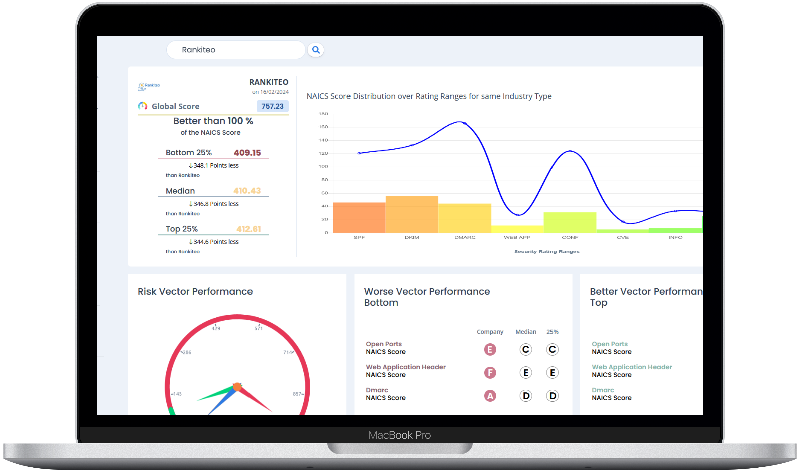
Every week, Rankiteo analyzes billions of signals to give organizations a sharper, faster view of emerging risks. With deeper, more actionable intelligence at their fingertips, security teams can outpace threat actors, respond instantly to Zero-Day attacks, and dramatically shrink their risk exposure window.
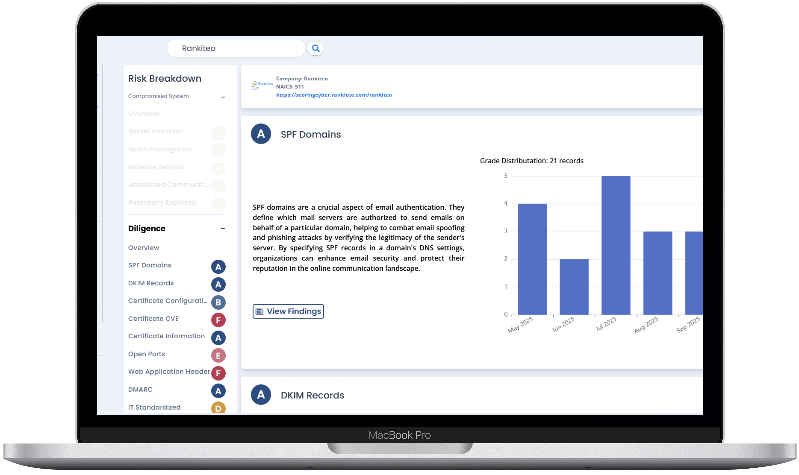
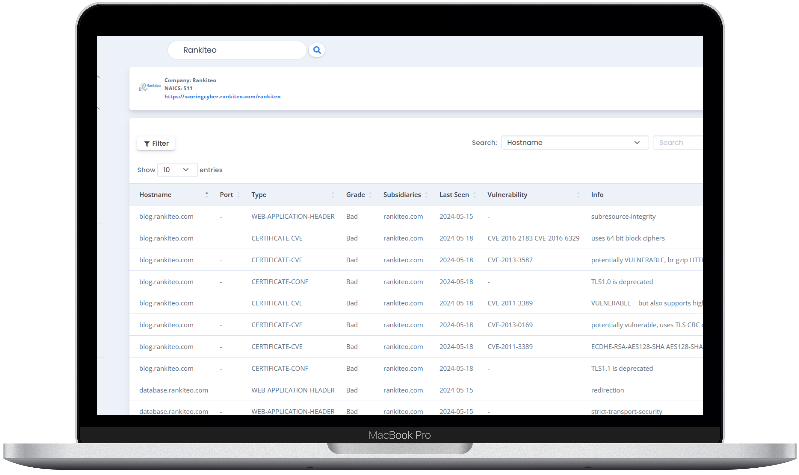
Identify exposed access points, detect misconfigured SSL certificates, and uncover vulnerabilities across the network infrastructure.
Gain visibility into the software components used within an organization to detect vulnerabilities, manage risk, and ensure supply chain security.
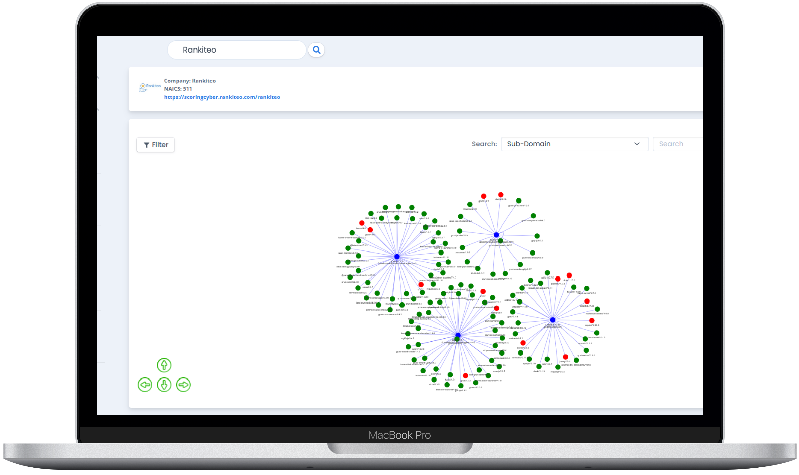
Monitor and manage all IT assets and their configurations to ensure accurate, real-time visibility across the company's technology environment.
Leverage real-time insights on active threats, malware campaigns, and emerging vulnerabilities to proactively defend against evolving cyberattacks.






 Rapid
Rapid