





VINCI
Company Details
Linkedin ID:
vinci
Website:
Employees number:
13,465
Number of followers:
561,884
NAICS:
23
Industry Type:
Homepage:
vinci.com
IP Addresses:
349
Company ID:
VIN_1669209
Scan Status:
Completed
VINCI Company CyberSecurity Posture
vinci.com


VINCI is a world leader in concessions, energy and construction, employing 280.000 people in some 120 countries. We design, finance, build and operate infrastructure and facilities that help improve daily life and mobility for all. Because we believe in all-round performance, above and beyond economic results, we are committed to operating in an environmentally and socially responsible manner. You can be part of projects that bring lasting change to urban ecosystems and entire regions. Join the team!
Company Details
vinci
13,465
561,884
23
vinci.com
349
VIN_1669209
Completed
 VINCI Risk Score (AI oriented)
Between 800 and 849
 VINCI Global Score (TPRM)
XXXX
Description: In September 2023, a ransomware attack targeted major European airports, causing severe operational disruptions as documented in NCC Group’s report. The cyberattack forced airlines to revert to **manual processes**, leading to widespread **flight delays, cancellations, and passenger congestion**. Critical systems—likely tied to check-in, baggage handling, or air traffic coordination—were compromised, paralyzing core infrastructure. The incident underscored the vulnerability of **transportation hubs** to ransomware, where even short-term outages cascade into systemic chaos. While the report does not specify data exfiltration, the **operational halt** and reputational damage align with patterns where attackers exploit high-stakes environments to maximize pressure for ransom payments. The attack’s timing coincides with Qilin’s surge in activity, a group known for targeting **supply-chain-dependent sectors**, though direct attribution to Qilin was not confirmed in this case. The disruption’s scale suggests the attackers prioritized **maximizing leverage** over data theft, leveraging the airports’ inability to function without digital systems.


No incidents recorded for VINCI in 2025.
No incidents recorded for VINCI in 2025.
No incidents recorded for VINCI in 2025.
VINCI cyber incidents detection timeline including parent company and subsidiaries
VINCI is a world leader in concessions, energy and construction, employing 280.000 people in some 120 countries. We design, finance, build and operate infrastructure and facilities that help improve daily life and mobility for all. Because we believe in all-round performance, above and beyond economic results, we are committed to operating in an environmentally and socially responsible manner. You can be part of projects that bring lasting change to urban ecosystems and entire regions. Join the team!

Our purpose is to sustainably deliver infrastructure which is vital to the UK. As a leading provider of infrastructure services, construction and property developments, we are committed to delivering for communities and leaving lasting legacies through our work. We are committed to attracting, reta

With 32,500 employees working in 60 countries, Bouygues Construction designs, builds and rehabilitates the infrastructures and buildings that are essential for a sustainable society. All over the world, the teams support the development of low-carbon energy production and public transport infrastruc

REXEL, LEADING DISTRIBUTOR WORLDWIDE OF ELECTRICAL SUPPLIES Rexel, a global leader in the distribution of electrical supplies and services, serves three main end markets: industrial, commercial and residential. The Group operates in 38 countries, with a network of some 2,200 branches, a distributio
As North America’s largest equipment rental company, with 1500+ stores in the United States and Canada, we serve construction and industrial companies, utilities, municipalities, homeowners, and communities, with the goal of fulfilling customer needs and surpassing expectations. We go beyond equipm
Fluor Corporation is a global engineering, procurement and construction company. We work with leaders in the energy, infrastructure, life sciences, advanced technologies, mining and metals industries, as well as government agencies, to build a better world. Since our founding in 1912, we have been

At Burns & McDonnell, our engineers, construction professionals, architects, planners, technologists and scientists do more than plan, design and construct. With a mission unchanged since 1898 — make our clients successful — we partner with you on the toughest challenges, constantly working to make
GMR Group is a leading global infrastructure conglomerate with significant expertise in airports, energy, transportation, and urban infrastructure. GMR Airports is Asia’s largest private airport operator with the world’s 2nd largest passenger handling capacity (over 100 million annually). It opera
Founded in 1952 by Francis Bouygues, Bouygues is a diversified services group operating in over 80 countries with 200,000 employees all working to make life better every day. Its business activities in construction (Bouygues Construction, Bouygues Immobilier, Colas); energies & services (Equans); me
Across decades, across disciplines, NCC Ltd has dedicated itself to building infrastructure of uncompromising standards. Infrastructure that is a constant reminder of the Company’s holistic construction expertise, which in turn is the result of relentless innovation and sheer dedication. Today, NCC
.png)
Noventiq, a leader in digital transformation and cybersecurity solutions, announced that it has secured a significant equity investment from...
Morning all, Craig McGlashan here with the Europe Wire from the London newsroom. Things feel busy out there in deal land.
OMA and VINCI Airports inaugurate new terminal and remodeled concourse at Ciudad Juárez Airport after a MX$828.4 million investment.
Cybersecurity may promise high pay and job security, but the reality often includes intense pressure, unrealistic demands, and limited...
ReSpo.Vision, a Warsaw, Poland-based sports startup that provides AI-powered tracking and visualization solutions, has secured €4.2 million in funding round.
Two new vessels have been rolled out to the offshore wind sector which boast full cybersecurity against attacks.
Christopher Burgess is a cybersecurity and intelligence expert, a former CIA officer awarded the Distinguished Career Intelligence Medal.
Check Point is embarking on an aggressive recruitment drive to hire 500 employees for its offices in Israel, Calcalist has learned.
ITWebSS2025: Is cyber security overregulated? By Christopher Tredger, Portals editorJohannesburg, 14 May 2025ITWeb Security Summit 2025 Cape...

Explore insights on cybersecurity incidents, risk posture, and Rankiteo's assessments.
The official website of VINCI is http://www.vinci.com.
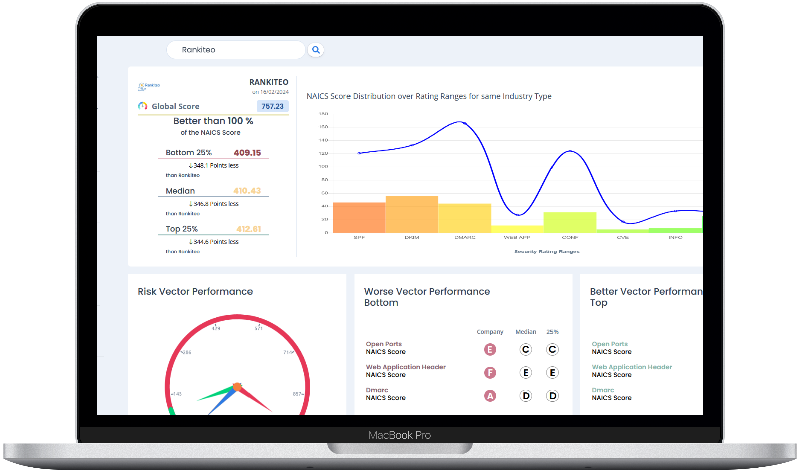
According to Rankiteo, VINCI’s AI-generated cybersecurity score is 819, reflecting their Good security posture.
According to Rankiteo, VINCI currently holds 0 security badges, indicating that no recognized compliance certifications are currently verified for the organization.
According to Rankiteo, VINCI is not certified under SOC 2 Type 1.
According to Rankiteo, VINCI does not hold a SOC 2 Type 2 certification.
According to Rankiteo, VINCI is not listed as GDPR compliant.
According to Rankiteo, VINCI does not currently maintain PCI DSS compliance.
According to Rankiteo, VINCI is not compliant with HIPAA regulations.
According to Rankiteo,VINCI is not certified under ISO 27001, indicating the absence of a formally recognized information security management framework.
VINCI operates primarily in the Construction industry.
VINCI employs approximately 13,465 people worldwide.
VINCI presently has no subsidiaries across any sectors.
VINCI’s official LinkedIn profile has approximately 561,884 followers.
VINCI is classified under the NAICS code 23, which corresponds to Construction.
No, VINCI does not have a profile on Crunchbase.
Yes, VINCI maintains an official LinkedIn profile, which is actively utilized for branding and talent engagement, which can be accessed here: https://www.linkedin.com/company/vinci.
As of December 11, 2025, Rankiteo reports that VINCI has experienced 1 cybersecurity incidents.
VINCI has an estimated 39,106 peer or competitor companies worldwide.
Incident Types: The types of cybersecurity incidents that have occurred include Ransomware.
Detection and Response: The company detects and responds to cybersecurity incidents through an third party assistance with ncc group (reporting), third party assistance with unspecified cybersecurity firms, and recovery measures with manual operations in airports, recovery measures with public advisories, and communication strategy with ncc group report, communication strategy with media coverage, communication strategy with expert warnings (e.g., matt hull, ncc group)..
Title: Global Ransomware Surge in September 2023
Description: NCC Group's latest report found that global ransomware attacks increased sharply by 28% in September 2023, reaching 421 incidents. This surge followed a six-month decline, with the Industrials sector (29% of attacks) being the most targeted, followed by Consumer Discretionary (76 attacks) and Financial institutions (47 attacks). North America and Europe accounted for 75% of incidents. The Qilin ransomware gang was responsible for 14% of attacks, while new groups like The Gentlemen and Interlock emerged. Geopolitical tensions, including Russian military drills and Middle East conflicts, contributed to the volatile threat landscape. Critical infrastructure, such as European airports, faced significant disruptions due to manual operations and delays.
Date Detected: 2023-09-01
Date Publicly Disclosed: 2023-10-01
Type: ransomware
Attack Vector: phishingexploiting vulnerabilitiessupply chain compromisesthird-party breachescookie hijacking
Threat Actor: Qilin (14% of attacks)The Gentlemen (emerging group)Interlock (emerging group)Unspecified state-affiliated actors (geopolitical context)
Motivation: financial gainoperational disruptiongeopolitical influencestrategic hybrid warfare
Common Attack Types: The most common types of attacks the company has faced is Ransomware.
Identification of Attack Vectors: The company identifies the attack vectors used in incidents through phishingvulnerable third-party vendorssupply chain compromisesstolen credentials.

Downtime: True
Operational Impact: manual operations in airportsflight delayscancellationspassenger congestionsupply chain disruptions
Customer Complaints: True
Payment Information Risk: True
Commonly Compromised Data Types: The types of data most commonly compromised in incidents are Financial Data, Customer Data, Operational Data, Supply Chain Data and .
Entity Name: Unspecified European Airports
Entity Type: Critical Infrastructure
Industry: Transportation
Location: Europe
Customers Affected: True
Entity Name: Industrials Sector Organizations (120 attacks in September)
Entity Type: Manufacturing, Supply Chain, Industrial
Industry: Industrials
Location: North AmericaEuropeGlobal
Entity Name: Consumer Discretionary Sector (76 attacks in Q3)
Entity Type: Retail, Automotive, Leisure
Industry: Consumer Discretionary
Location: North AmericaEuropeGlobal
Customers Affected: True
Entity Name: Financial Institutions (47 attacks in Q3)
Entity Type: Banks, Investment Firms, Insurance
Industry: Financial Services
Location: North AmericaEuropeGlobal
Customers Affected: True
Third Party Assistance: Ncc Group (Reporting), Unspecified Cybersecurity Firms.
Recovery Measures: Manual operations in airportsPublic advisories
Communication Strategy: NCC Group reportMedia coverageExpert warnings (e.g., Matt Hull, NCC Group)
Third-Party Assistance: The company involves third-party assistance in incident response through NCC Group (reporting), Unspecified cybersecurity firms, .
Type of Data Compromised: Financial data, Customer data, Operational data, Supply chain data
Sensitivity of Data: High (financial, PII, operational)
Data Encryption: True
Ransomware Strain: QilinThe GentlemenInterlockUnspecified strains
Data Encryption: True
Data Exfiltration: True
Data Recovery from Ransomware: The company recovers data encrypted by ransomware through Manual operations in airports, Public advisories, .
Lessons Learned: Ransomware attacks surged after a six-month decline, indicating volatility in threat trends., Industrials and critical infrastructure remain high-priority targets due to operational disruption potential., Geopolitical tensions (e.g., Russia, China, Middle East) are increasingly tied to cyber operations, including ransomware., Emerging ransomware groups (e.g., The Gentlemen, Interlock) leverage shared infrastructure and leaked tools to scale quickly., Third-party and supply chain risks are critical attack vectors, especially during high-activity periods (e.g., Black Friday, Christmas)., AI-enabled ransomware and cookie hijacking are emerging threats exacerbated by geopolitical instability.
Recommendations: Implement robust third-party risk management to mitigate supply chain and vendor compromises., Enhance incident response plans with rapid detection and containment protocols., Adopt proactive security strategies, including threat intelligence sharing and red teaming., Prioritize critical infrastructure protection, especially in transportation and retail sectors., Monitor geopolitical developments for potential cyber threat correlations (e.g., hybrid warfare)., Prepare for seasonal spikes in attacks (e.g., holiday shopping periods) with heightened vigilance., Invest in AI-driven threat detection to counter evolving ransomware tactics.Implement robust third-party risk management to mitigate supply chain and vendor compromises., Enhance incident response plans with rapid detection and containment protocols., Adopt proactive security strategies, including threat intelligence sharing and red teaming., Prioritize critical infrastructure protection, especially in transportation and retail sectors., Monitor geopolitical developments for potential cyber threat correlations (e.g., hybrid warfare)., Prepare for seasonal spikes in attacks (e.g., holiday shopping periods) with heightened vigilance., Invest in AI-driven threat detection to counter evolving ransomware tactics.Implement robust third-party risk management to mitigate supply chain and vendor compromises., Enhance incident response plans with rapid detection and containment protocols., Adopt proactive security strategies, including threat intelligence sharing and red teaming., Prioritize critical infrastructure protection, especially in transportation and retail sectors., Monitor geopolitical developments for potential cyber threat correlations (e.g., hybrid warfare)., Prepare for seasonal spikes in attacks (e.g., holiday shopping periods) with heightened vigilance., Invest in AI-driven threat detection to counter evolving ransomware tactics.Implement robust third-party risk management to mitigate supply chain and vendor compromises., Enhance incident response plans with rapid detection and containment protocols., Adopt proactive security strategies, including threat intelligence sharing and red teaming., Prioritize critical infrastructure protection, especially in transportation and retail sectors., Monitor geopolitical developments for potential cyber threat correlations (e.g., hybrid warfare)., Prepare for seasonal spikes in attacks (e.g., holiday shopping periods) with heightened vigilance., Invest in AI-driven threat detection to counter evolving ransomware tactics.Implement robust third-party risk management to mitigate supply chain and vendor compromises., Enhance incident response plans with rapid detection and containment protocols., Adopt proactive security strategies, including threat intelligence sharing and red teaming., Prioritize critical infrastructure protection, especially in transportation and retail sectors., Monitor geopolitical developments for potential cyber threat correlations (e.g., hybrid warfare)., Prepare for seasonal spikes in attacks (e.g., holiday shopping periods) with heightened vigilance., Invest in AI-driven threat detection to counter evolving ransomware tactics.Implement robust third-party risk management to mitigate supply chain and vendor compromises., Enhance incident response plans with rapid detection and containment protocols., Adopt proactive security strategies, including threat intelligence sharing and red teaming., Prioritize critical infrastructure protection, especially in transportation and retail sectors., Monitor geopolitical developments for potential cyber threat correlations (e.g., hybrid warfare)., Prepare for seasonal spikes in attacks (e.g., holiday shopping periods) with heightened vigilance., Invest in AI-driven threat detection to counter evolving ransomware tactics.Implement robust third-party risk management to mitigate supply chain and vendor compromises., Enhance incident response plans with rapid detection and containment protocols., Adopt proactive security strategies, including threat intelligence sharing and red teaming., Prioritize critical infrastructure protection, especially in transportation and retail sectors., Monitor geopolitical developments for potential cyber threat correlations (e.g., hybrid warfare)., Prepare for seasonal spikes in attacks (e.g., holiday shopping periods) with heightened vigilance., Invest in AI-driven threat detection to counter evolving ransomware tactics.
Key Lessons Learned: The key lessons learned from past incidents are Ransomware attacks surged after a six-month decline, indicating volatility in threat trends.,Industrials and critical infrastructure remain high-priority targets due to operational disruption potential.,Geopolitical tensions (e.g., Russia, China, Middle East) are increasingly tied to cyber operations, including ransomware.,Emerging ransomware groups (e.g., The Gentlemen, Interlock) leverage shared infrastructure and leaked tools to scale quickly.,Third-party and supply chain risks are critical attack vectors, especially during high-activity periods (e.g., Black Friday, Christmas).,AI-enabled ransomware and cookie hijacking are emerging threats exacerbated by geopolitical instability.
Source: NCC Group Ransomware Report (Q3 2023)
URL: https://www.nccgroup.com/
Date Accessed: 2023-10-01
Source: Matt Hull, Head of Threat Intelligence at NCC Group
Date Accessed: 2023-10-01
Additional Resources: Stakeholders can find additional resources on cybersecurity best practices at and Source: NCC Group Ransomware Report (Q3 2023)Url: https://www.nccgroup.com/Date Accessed: 2023-10-01, and Source: Matt Hull, Head of Threat Intelligence at NCC GroupDate Accessed: 2023-10-01.
Investigation Status: Ongoing (trend analysis by NCC Group)
Communication of Investigation Status: The company communicates the status of incident investigations to stakeholders through Ncc Group Report, Media Coverage, Expert Warnings (E.G., Matt Hull and Ncc Group).
Stakeholder Advisories: Organizations Urged To Act Against Rising Ransomware Threats (Ncc Group)., Warning About Geopolitical Cyber Risks (E.G., Russian Drills, Middle East Tensions)., Advisory On Holiday-Season Attack Surges (Black Friday, Christmas)..
Customer Advisories: Potential delays and disruptions in transportation (e.g., airports) due to ransomware.Increased risk of data breaches in retail and financial sectors.
Advisories Provided: The company provides the following advisories to stakeholders and customers following an incident: were Organizations Urged To Act Against Rising Ransomware Threats (Ncc Group)., Warning About Geopolitical Cyber Risks (E.G., Russian Drills, Middle East Tensions)., Advisory On Holiday-Season Attack Surges (Black Friday, Christmas)., Potential Delays And Disruptions In Transportation (E.G., Airports) Due To Ransomware., Increased Risk Of Data Breaches In Retail And Financial Sectors. and .
Entry Point: Phishing, Vulnerable Third-Party Vendors, Supply Chain Compromises, Stolen Credentials,
High Value Targets: Industrials, Financial Institutions, Critical Infrastructure (E.G., Airports),
Data Sold on Dark Web: Industrials, Financial Institutions, Critical Infrastructure (E.G., Airports),
Root Causes: Exploitation Of Unpatched Vulnerabilities In Third-Party Systems., Lack Of Adaptive Security Measures For Emerging Threats (E.G., Ai-Enabled Ransomware)., Geopolitical Tensions Enabling State-Affiliated Or Tolerated Cyber Operations., Insufficient Segmentation Of Critical Infrastructure Networks.,
Corrective Actions: Strengthen Third-Party Vendor Security Assessments., Deploy Behavioral Analysis Tools To Detect Anomalous Activity (E.G., Ransomware Encryption Patterns)., Enhance Cross-Sector Collaboration For Threat Intelligence Sharing., Conduct Regular Red Team Exercises To Test Incident Response Readiness., Implement Zero-Trust Architectures To Limit Lateral Movement In Breaches.,
Post-Incident Analysis Process: The company's process for conducting post-incident analysis is described as Ncc Group (Reporting), Unspecified Cybersecurity Firms, .
Corrective Actions Taken: The company has taken the following corrective actions based on post-incident analysis: Strengthen Third-Party Vendor Security Assessments., Deploy Behavioral Analysis Tools To Detect Anomalous Activity (E.G., Ransomware Encryption Patterns)., Enhance Cross-Sector Collaboration For Threat Intelligence Sharing., Conduct Regular Red Team Exercises To Test Incident Response Readiness., Implement Zero-Trust Architectures To Limit Lateral Movement In Breaches., .
Last Attacking Group: The attacking group in the last incident was an Qilin (14% of attacks)The Gentlemen (emerging group)Interlock (emerging group)Unspecified state-affiliated actors (geopolitical context).
Most Recent Incident Detected: The most recent incident detected was on 2023-09-01.
Most Recent Incident Publicly Disclosed: The most recent incident publicly disclosed was on 2023-10-01.
Third-Party Assistance in Most Recent Incident: The third-party assistance involved in the most recent incident was ncc group (reporting), unspecified cybersecurity firms, .
Most Significant Lesson Learned: The most significant lesson learned from past incidents was AI-enabled ransomware and cookie hijacking are emerging threats exacerbated by geopolitical instability.
Most Significant Recommendation Implemented: The most significant recommendation implemented to improve cybersecurity was Adopt proactive security strategies, including threat intelligence sharing and red teaming., Invest in AI-driven threat detection to counter evolving ransomware tactics., Monitor geopolitical developments for potential cyber threat correlations (e.g., hybrid warfare)., Enhance incident response plans with rapid detection and containment protocols., Prepare for seasonal spikes in attacks (e.g., holiday shopping periods) with heightened vigilance., Implement robust third-party risk management to mitigate supply chain and vendor compromises., Prioritize critical infrastructure protection and especially in transportation and retail sectors..
Most Recent Source: The most recent source of information about an incident are NCC Group Ransomware Report (Q3 2023), Matt Hull and Head of Threat Intelligence at NCC Group.
Most Recent URL for Additional Resources: The most recent URL for additional resources on cybersecurity best practices is https://www.nccgroup.com/ .
Current Status of Most Recent Investigation: The current status of the most recent investigation is Ongoing (trend analysis by NCC Group).
Most Recent Stakeholder Advisory: The most recent stakeholder advisory issued was Organizations urged to act against rising ransomware threats (NCC Group)., Warning about geopolitical cyber risks (e.g., Russian drills, Middle East tensions)., Advisory on holiday-season attack surges (Black Friday, Christmas)., .
Most Recent Customer Advisory: The most recent customer advisory issued were an Potential delays and disruptions in transportation (e.g. and airports) due to ransomware.Increased risk of data breaches in retail and financial sectors.
.png)
FreePBX Endpoint Manager is a module for managing telephony endpoints in FreePBX systems. Versions prior to 16.0.96 and 17.0.1 through 17.0.9 have a weak default password. By default, this is a 6 digit numeric value which can be brute forced. (This is the app_password parameter). Depending on local configuration, this password could be the extension, voicemail, user manager, DPMA or EPM phone admin password. This issue is fixed in versions 16.0.96 and 17.0.10.
Neuron is a PHP framework for creating and orchestrating AI Agents. In versions 2.8.11 and below, the MySQLWriteTool executes arbitrary SQL provided by the caller using PDO::prepare() + execute() without semantic restrictions. This is consistent with the name (“write tool”), but in an LLM/agent context it becomes a high-risk capability: prompt injection or indirect prompt manipulation can cause execution of destructive queries such as DROP TABLE, TRUNCATE, DELETE, ALTER, or privilege-related statements (subject to DB permissions). Deployments that expose an agent with MySQLWriteTool enabled to untrusted input and/or run the tool with a DB user that has broad privileges are impacted. This issue is fixed in version 2.8.12.
Neuron is a PHP framework for creating and orchestrating AI Agents. Versions 2.8.11 and below use MySQLSelectTool, which is vulnerable to Read-Only Bypass. MySQLSelectTool is intended to be a read-only SQL tool (e.g., for LLM agent querying, however, validation based on the first keyword (e.g., SELECT) and a forbidden-keyword list does not block file-writing constructs such as INTO OUTFILE / INTO DUMPFILE. As a result, an attacker who can influence the tool input (e.g., via prompt injection through a public agent endpoint) may write arbitrary files to the DB server if the MySQL/MariaDB account has the FILE privilege and server configuration permits writes to a useful location (e.g., a web-accessible directory). This issue is fixed in version 2.8.12.
Okta Java Management SDK facilitates interactions with the Okta management API. In versions 11.0.0 through 20.0.0, race conditions may arise from concurrent requests using the ApiClient class. This could cause a status code or response header from one request’s response to influence another request’s response. This issue is fixed in version 20.0.1.
The Auth0 Next.js SDK is a library for implementing user authentication in Next.js applications. When using versions 4.11.0 through 4.11.2 and 4.12.0, simultaneous requests on the same client may result in improper lookups in the TokenRequestCache for the request results. This issue is fixed in versions 4.11.2 and 4.12.1.

Get company history

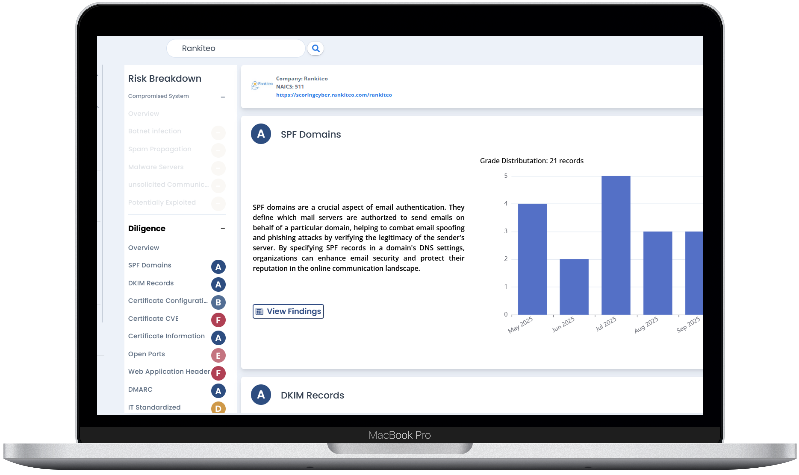
Every week, Rankiteo analyzes billions of signals to give organizations a sharper, faster view of emerging risks. With deeper, more actionable intelligence at their fingertips, security teams can outpace threat actors, respond instantly to Zero-Day attacks, and dramatically shrink their risk exposure window.
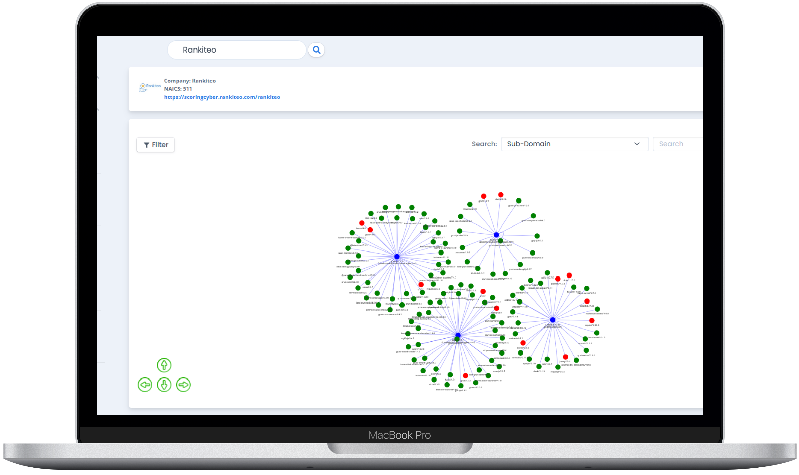
Identify exposed access points, detect misconfigured SSL certificates, and uncover vulnerabilities across the network infrastructure.
Gain visibility into the software components used within an organization to detect vulnerabilities, manage risk, and ensure supply chain security.
Monitor and manage all IT assets and their configurations to ensure accurate, real-time visibility across the company's technology environment.
Leverage real-time insights on active threats, malware campaigns, and emerging vulnerabilities to proactively defend against evolving cyberattacks.






 Rapid
Rapid