





PLK
Company Details
Linkedin ID:
popeyes-louisiana-kitchen
Website:
Employees number:
24,533
Number of followers:
89,164
NAICS:
7225
Industry Type:
Homepage:
popeyes.com
IP Addresses:
0
Company ID:
POP_1311365
Scan Status:
In-progress

Popeyes Louisiana Kitchen Company CyberSecurity Posture
popeyes.com


Founded in New Orleans in 1972, POPEYES® has more than 45 years of history and culinary tradition. Popeyes distinguishes itself with a unique New Orleans-style menu featuring spicy chicken, chicken tenders, fried shrimp, and other regional items. The chain's passion for its Louisiana heritage and flavorful authentic food has allowed Popeyes to become one of the world's largest chicken quick-service restaurants with over 3,600 restaurants in the U.S. and around the world.
Company Details
popeyes-louisiana-kitchen
24,533
89,164
7225
popeyes.com
0
POP_1311365
In-progress
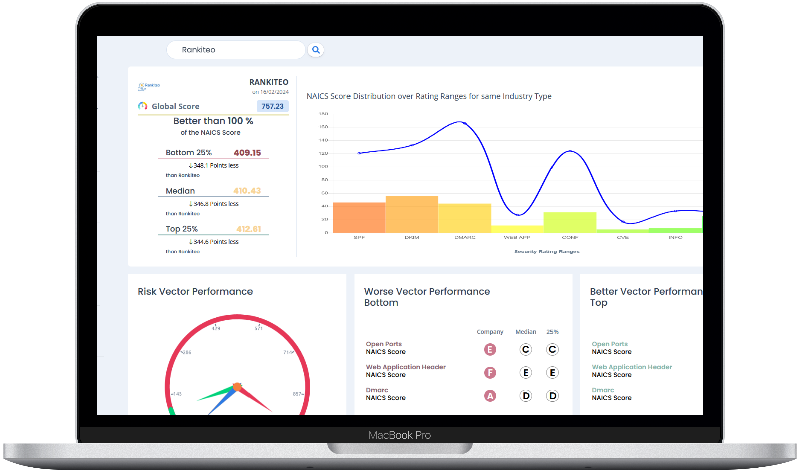
 PLK Risk Score (AI oriented)
Between 750 and 799
 PLK Global Score (TPRM)
XXXX
Description: Burger King, the world's largest fast food chain, exposed sensitive credentials to the public twice, endangering their systems and data. Burger King in France exposed private information to the public as a result of a website configuration error, the Cybernews investigation team found. People who applied for jobs at Burger King in France may have been impacted because the impacted website processed job applications. It's not the first time Burger King has exposed sensitive information; supposedly, the France branch exposed personally identifying information (PII) of children who purchased Burger King menus due to a similar misconfiguration.
Description: A French online shop Kool King specifically tailored to be used by kids who bought Burger King menus exposed nearly 37,900 records after a cyber attack. The data was leaked because the database storing it was misconfigured, allowing anyone with an Internet connection and the knowledge to find it to get to the records stored within. Since the database was not secured in any way and publicly accessible, anyone who reached it could then edit, download, or even destroy the data without needing admin credentials. The information compromised contained personally identifiable information (PII) such as emails, passwords, names, phones, DOB, voucher codes, links to the externally stored certificates, etc.100
Description: Ethical hackers **BobDaHacker** and **BobTheShoplifter** exposed severe security vulnerabilities within **Restaurant Brands International (RBI)**, the parent company of Burger King, Tim Hortons, and Popeyes. The flaws included **hard-coded passwords** (e.g., 'admin') in HTML and drive-through systems, **plain-text passwords sent via email**, and an **unrestricted API** allowing unauthorized admin access. The hackers gained entry to **employee accounts, internal configurations, raw audio recordings of drive-through conversations** (containing customer personal data processed by AI), and even **restaurant bathroom rating systems**. The breaches revealed **catastrophic oversight** in cybersecurity fundamentals, with no basic safeguards like antivirus checks or system audits. While the ethical hackers responsibly disclosed the issues and confirmed **no customer data was retained**, the exposure demonstrated how easily malicious actors could have exploited these gaps. RBI reportedly fixed the vulnerabilities post-disclosure but did not publicly acknowledge the researchers, raising concerns about long-term security improvements. The incident underscores systemic negligence in protecting **30,000+ global outlets** from potential data leaks, financial fraud, or operational disruptions.


No incidents recorded for Popeyes Louisiana Kitchen in 2025.
No incidents recorded for Popeyes Louisiana Kitchen in 2025.
No incidents recorded for Popeyes Louisiana Kitchen in 2025.
PLK cyber incidents detection timeline including parent company and subsidiaries
Founded in New Orleans in 1972, POPEYES® has more than 45 years of history and culinary tradition. Popeyes distinguishes itself with a unique New Orleans-style menu featuring spicy chicken, chicken tenders, fried shrimp, and other regional items. The chain's passion for its Louisiana heritage and flavorful authentic food has allowed Popeyes to become one of the world's largest chicken quick-service restaurants with over 3,600 restaurants in the U.S. and around the world.


McDonald’s is the world’s leading global foodservice retailer with over 37,000 locations in over 100 countries. More than 90% of McDonald’s restaurants worldwide are owned and operated by independent local business men and women. McDonald's & our franchisees employ 1.9 million people worldwide.

With strong, Midwestern family values and genuine hometown hospitality, Culver’s® has proudly served its signature ButterBurgers® and Fresh Frozen Custard since we opened our first restaurant in 1984. There are now over 1,000 Culver’s restaurants in 26 states, with more than 50,000 team members offe
THE SANDWICH OF SANDWICHES℠ At Jimmy John's, we don't make sandwiches. We make The Sandwich of Sandwiches℠. We use fresh vegetables because we don't hate salads, we just feel bad for them. We hand-slice our provolone cheese and meats in-house every day, because packaged pre-sliced meats doesn't ha
Jersey Mike’s, a fast-casual sub sandwich franchise with more than 3,000 locations open nationwide, believes that making a sub sandwich and making a difference can be one and the same. Jersey Mike’s offers A Sub Above®, serving authentic fresh sliced subs and authentic Philly cheesesteaks grilled t

Chili's opened as a fun Dallas burger joint with a loyalty to happy hour and blue jeans. We prided ourselves on our humble beginnings, following a devotion to great food, warm hospitality and community spirit. Today, with restaurants all over the world, we continue to cook up the best in casual fare

Subway is one of the world's largest quick service restaurant brands, serving freshly made-to-order sandwiches, wraps, salads and bowls to millions of guests, across over 100 countries in more than 37,000 restaurants every day. Subway restaurants are owned and operated by Subway franchisees – a ne
Domino’s is a purpose-inspired, performance-driven company powered by exceptional people who are committed to feeding the power of possible—one pizza at a time. Founded in 1960 with a single store in Ypsilanti, Michigan, Domino’s has grown into one of the most recognized and leading pizza brands in

In 1965, TGI Fridays opened its first location in New York City. Today, there are 890 restaurants in 60 countries offering high quality, authentic American food and legendary drinks, bringing together all people from all places. The freeing and liberating spirit of "Friday" combined with our belief
Made with an Australian flair, born under the Tampa sun. Outback Steakhouse is an Australian-inspired restaurant providing high quality delicious food with Aussie hospitality since 1988. Our success is based on our belief that if we take care of Our People, the institution of Outback will take care
.png)
Researchers found a host of vulnerabilities in the platforms run by RBI to service Burger King, Tim Horton's, and Popeyes.
You will soon need to first get a CURP when purchasing SIM cards, as part of upcoming reforms to the country's security and telecommunications laws.
McDonald's says a global systems outage affected several stores early on March 15. The company has worked to bring its locations back...
A spokeswoman for CentraState Medical Center said the facility is experiencing some technical problems related to an IT security issue.
Learn why cybersecurity plays a vital role in protecting poultry processing plants and production facilities against malicious data...
Brunch with Peter Thiel turned into an impromptu pitch meeting for this former CIA analyst and current cybersecurity CEO Tim Junio.

Explore insights on cybersecurity incidents, risk posture, and Rankiteo's assessments.
The official website of Popeyes Louisiana Kitchen is http://www.popeyes.com.
According to Rankiteo, Popeyes Louisiana Kitchen’s AI-generated cybersecurity score is 787, reflecting their Fair security posture.
According to Rankiteo, Popeyes Louisiana Kitchen currently holds 0 security badges, indicating that no recognized compliance certifications are currently verified for the organization.
According to Rankiteo, Popeyes Louisiana Kitchen is not certified under SOC 2 Type 1.
According to Rankiteo, Popeyes Louisiana Kitchen does not hold a SOC 2 Type 2 certification.
According to Rankiteo, Popeyes Louisiana Kitchen is not listed as GDPR compliant.
According to Rankiteo, Popeyes Louisiana Kitchen does not currently maintain PCI DSS compliance.
According to Rankiteo, Popeyes Louisiana Kitchen is not compliant with HIPAA regulations.
According to Rankiteo,Popeyes Louisiana Kitchen is not certified under ISO 27001, indicating the absence of a formally recognized information security management framework.
Popeyes Louisiana Kitchen operates primarily in the Restaurants industry.
Popeyes Louisiana Kitchen employs approximately 24,533 people worldwide.
Popeyes Louisiana Kitchen presently has no subsidiaries across any sectors.
Popeyes Louisiana Kitchen’s official LinkedIn profile has approximately 89,164 followers.
Popeyes Louisiana Kitchen is classified under the NAICS code 7225, which corresponds to Restaurants and Other Eating Places.
No, Popeyes Louisiana Kitchen does not have a profile on Crunchbase.
Yes, Popeyes Louisiana Kitchen maintains an official LinkedIn profile, which is actively utilized for branding and talent engagement, which can be accessed here: https://www.linkedin.com/company/popeyes-louisiana-kitchen.
As of December 11, 2025, Rankiteo reports that Popeyes Louisiana Kitchen has experienced 3 cybersecurity incidents.
Popeyes Louisiana Kitchen has an estimated 4,851 peer or competitor companies worldwide.
Incident Types: The types of cybersecurity incidents that have occurred include Data Leak and Breach.
Detection and Response: The company detects and responds to cybersecurity incidents through an incident response plan activated with yes (after ethical hacker disclosure), and containment measures with patch applied to vulnerabilities (reportedly), and communication strategy with no public acknowledgment of ethical hackers or incident details..
Title: Kool King Data Breach
Description: A French online shop Kool King specifically tailored to be used by kids who bought Burger King menus exposed nearly 37,900 records after a cyber attack. The data was leaked because the database storing it was misconfigured, allowing anyone with an Internet connection and the knowledge to find it to get to the records stored within. Since the database was not secured in any way and publicly accessible, anyone who reached it could then edit, download, or even destroy the data without needing admin credentials. The information compromised contained personally identifiable information (PII) such as emails, passwords, names, phones, DOB, voucher codes, links to the externally stored certificates, etc.
Type: Data Breach
Attack Vector: Misconfigured Database
Vulnerability Exploited: Publicly Accessible Database
Title: Burger King Data Exposure Incidents
Description: Burger King, the world's largest fast food chain, exposed sensitive credentials to the public twice, endangering their systems and data.
Type: Data Exposure
Attack Vector: Website Configuration Error
Vulnerability Exploited: Website Misconfiguration
Title: Hard-coded passwords exposed Burger King’s fragile security infrastructure worldwide
Description: Hackers accessed employee accounts and internal configurations with shocking ease due to weak security practices at Restaurant Brands International (RBI), the parent company of Burger King, Tim Hortons, and Popeyes. Ethical hackers BobDaHacker and BobTheShoplifter discovered hard-coded passwords (e.g., 'admin'), plain-text passwords sent via email, and unsecured APIs that allowed unrestricted access. The vulnerabilities exposed internal systems, employee accounts, drive-through audio recordings (containing customer PII), and even restaurant bathroom rating screens. The hackers described RBI’s security as 'catastrophic,' highlighting systemic neglect of basic cybersecurity fundamentals. RBI reportedly fixed the issues after disclosure but did not publicly acknowledge the ethical hackers.
Type: Unauthorized Access
Attack Vector: Hard-coded CredentialsPlain-text Passwords in EmailsUnrestricted API AccessDefault/Weak Passwords (e.g., 'admin')
Vulnerability Exploited: Hard-coded passwords in HTML/APIsLack of password encryptionMissing access controlsPoor credential management
Threat Actor: BobDaHacker (Ethical Hacker)BobTheShoplifter (Ethical Hacker)
Motivation: Ethical Hacking / Responsible Disclosure
Common Attack Types: The most common types of attacks the company has faced is Data Leak.
Identification of Attack Vectors: The company identifies the attack vectors used in incidents through Hard-coded password in HTMLDefault 'admin' password in drive-through tabletsUnrestricted API signup.

Data Compromised: Emails, Passwords, Names, Phones, Dob, Voucher codes, Links to the externally stored certificates
Systems Affected: Database

Data Compromised: Personally identifiable information (pii), Children's pii
Systems Affected: Job Application WebsiteOnline Ordering System
Data Compromised: Employee account credentials, Internal system configurations, Drive-through audio recordings (potential pii), Restaurant operational data (e.g., bathroom rating screens)
Systems Affected: Equipment ordering websiteDrive-through tablet systemsAI-powered customer/staff evaluation systemsRestaurant management APIsBathroom rating screens
Operational Impact: High (potential for unauthorized access to critical systems, customer data exposure, and operational disruption)
Brand Reputation Impact: High (public exposure of systemic security failures across global brands: Burger King, Tim Hortons, Popeyes)
Identity Theft Risk: Moderate (drive-through audio recordings may contain customer PII)
Commonly Compromised Data Types: The types of data most commonly compromised in incidents are Emails, Passwords, Names, Phones, Dob, Voucher Codes, Links To The Externally Stored Certificates, , Pii, Children'S Pii, , Employee Credentials, Internal Configurations, Audio Recordings (Potential Pii), Operational Data and .
Entity Name: Kool King
Entity Type: Online Shop
Industry: Retail
Location: France
Customers Affected: 37900
Entity Name: Burger King
Entity Type: Corporation
Industry: Fast Food
Location: France
Entity Name: Restaurant Brands International (RBI)
Entity Type: Parent Company
Industry: Fast Food / Hospitality
Location: Global (30,000+ outlets)
Size: Large Enterprise
Entity Name: Burger King
Entity Type: Subsidiary
Industry: Fast Food
Location: Global
Entity Name: Tim Hortons
Entity Type: Subsidiary
Industry: Fast Food / Coffee
Location: Primarily Canada/US
Entity Name: Popeyes
Entity Type: Subsidiary
Industry: Fast Food
Location: Global
Incident Response Plan Activated: Yes (after ethical hacker disclosure)
Containment Measures: Patch applied to vulnerabilities (reportedly)
Communication Strategy: No public acknowledgment of ethical hackers or incident details
Incident Response Plan: The company's incident response plan is described as Yes (after ethical hacker disclosure).
Type of Data Compromised: Emails, Passwords, Names, Phones, Dob, Voucher codes, Links to the externally stored certificates
Number of Records Exposed: 37900
Sensitivity of Data: High
Personally Identifiable Information: emailspasswordsnamesphonesDOB
Type of Data Compromised: Pii, Children's pii
Personally Identifiable Information: Job ApplicantsChildren's PII
Type of Data Compromised: Employee credentials, Internal configurations, Audio recordings (potential pii), Operational data
Sensitivity of Data: Moderate to High (includes PII in audio recordings and system access credentials)
Data Exfiltration: No (ethical hackers did not retain data)
Data Encryption: No (passwords stored in plain-text)
Personally Identifiable Information: Potential (in drive-through audio recordings)
Handling of PII Incidents: The company handles incidents involving personally identifiable information (PII) through by patch applied to vulnerabilities (reportedly) and .
Lessons Learned: Systemic neglect of basic cybersecurity practices (e.g., hard-coded passwords, plain-text credentials, unrestricted APIs) can expose global enterprises to severe risks. Ethical hacking revealed critical gaps in access controls, credential management, and operational security across RBI’s brands.
Recommendations: Implement robust password policies and multi-factor authentication (MFA), Eliminate hard-coded credentials and enforce encryption for sensitive data, Conduct regular security audits and penetration testing, Restrict API access with proper authentication/authorization, Establish a transparent vulnerability disclosure program, Train employees on secure credential handling and phishing risks, Monitor dark web for exposed credentials or system accessImplement robust password policies and multi-factor authentication (MFA), Eliminate hard-coded credentials and enforce encryption for sensitive data, Conduct regular security audits and penetration testing, Restrict API access with proper authentication/authorization, Establish a transparent vulnerability disclosure program, Train employees on secure credential handling and phishing risks, Monitor dark web for exposed credentials or system accessImplement robust password policies and multi-factor authentication (MFA), Eliminate hard-coded credentials and enforce encryption for sensitive data, Conduct regular security audits and penetration testing, Restrict API access with proper authentication/authorization, Establish a transparent vulnerability disclosure program, Train employees on secure credential handling and phishing risks, Monitor dark web for exposed credentials or system accessImplement robust password policies and multi-factor authentication (MFA), Eliminate hard-coded credentials and enforce encryption for sensitive data, Conduct regular security audits and penetration testing, Restrict API access with proper authentication/authorization, Establish a transparent vulnerability disclosure program, Train employees on secure credential handling and phishing risks, Monitor dark web for exposed credentials or system accessImplement robust password policies and multi-factor authentication (MFA), Eliminate hard-coded credentials and enforce encryption for sensitive data, Conduct regular security audits and penetration testing, Restrict API access with proper authentication/authorization, Establish a transparent vulnerability disclosure program, Train employees on secure credential handling and phishing risks, Monitor dark web for exposed credentials or system accessImplement robust password policies and multi-factor authentication (MFA), Eliminate hard-coded credentials and enforce encryption for sensitive data, Conduct regular security audits and penetration testing, Restrict API access with proper authentication/authorization, Establish a transparent vulnerability disclosure program, Train employees on secure credential handling and phishing risks, Monitor dark web for exposed credentials or system accessImplement robust password policies and multi-factor authentication (MFA), Eliminate hard-coded credentials and enforce encryption for sensitive data, Conduct regular security audits and penetration testing, Restrict API access with proper authentication/authorization, Establish a transparent vulnerability disclosure program, Train employees on secure credential handling and phishing risks, Monitor dark web for exposed credentials or system access
Key Lessons Learned: The key lessons learned from past incidents are Systemic neglect of basic cybersecurity practices (e.g., hard-coded passwords, plain-text credentials, unrestricted APIs) can expose global enterprises to severe risks. Ethical hacking revealed critical gaps in access controls, credential management, and operational security across RBI’s brands.
Source: Cybernews Investigation Team
Source: Tom’s Hardware
Source: Ethical Hackers’ Blog (Archived)
Additional Resources: Stakeholders can find additional resources on cybersecurity best practices at and Source: Cybernews Investigation Team, and Source: Tom’s Hardware, and Source: Ethical Hackers’ Blog (Archived).
Investigation Status: Completed (by ethical hackers; RBI applied fixes but no public report)
Communication of Investigation Status: The company communicates the status of incident investigations to stakeholders through No public acknowledgment of ethical hackers or incident details.
Entry Point: Hard-Coded Password In Html, Default 'Admin' Password In Drive-Through Tablets, Unrestricted Api Signup,
High Value Targets: Employee Accounts, Internal Configurations, Drive-Through Audio Systems, Restaurant Management Apis,
Data Sold on Dark Web: Employee Accounts, Internal Configurations, Drive-Through Audio Systems, Restaurant Management Apis,
Root Causes: Misconfigured Database
Root Causes: Lack Of Basic Cybersecurity Hygiene (E.G., Hard-Coded Passwords, Plain-Text Credentials), Absence Of Access Controls (E.G., Unrestricted Api Access), Inadequate System Audits And Vulnerability Assessments, Poor Credential Management Practices, Corporate Neglect Of Security Fundamentals Despite Global Scale,
Corrective Actions: Patches Applied To Reported Vulnerabilities (Per Rbi), No Public Confirmation Of Broader Security Overhaul Or Policy Changes,
Corrective Actions Taken: The company has taken the following corrective actions based on post-incident analysis: Patches Applied To Reported Vulnerabilities (Per Rbi), No Public Confirmation Of Broader Security Overhaul Or Policy Changes, .
Last Attacking Group: The attacking group in the last incident was an BobDaHacker (Ethical Hacker)BobTheShoplifter (Ethical Hacker).
Most Significant Data Compromised: The most significant data compromised in an incident were emails, passwords, names, phones, DOB, voucher codes, links to the externally stored certificates, , Personally Identifiable Information (PII), Children's PII, , Employee account credentials, Internal system configurations, Drive-through audio recordings (potential PII), Restaurant operational data (e.g., bathroom rating screens) and .
Most Significant System Affected: The most significant system affected in an incident was Job Application WebsiteOnline Ordering System and Equipment ordering websiteDrive-through tablet systemsAI-powered customer/staff evaluation systemsRestaurant management APIsBathroom rating screens.
Containment Measures in Most Recent Incident: The containment measures taken in the most recent incident was Patch applied to vulnerabilities (reportedly).
Most Sensitive Data Compromised: The most sensitive data compromised in a breach were phones, passwords, Drive-through audio recordings (potential PII), names, Internal system configurations, Employee account credentials, Personally Identifiable Information (PII), Children's PII, Restaurant operational data (e.g., bathroom rating screens), emails, DOB, voucher codes and links to the externally stored certificates.
Number of Records Exposed in Most Significant Breach: The number of records exposed in the most significant breach was 379.0.
Most Significant Lesson Learned: The most significant lesson learned from past incidents was Systemic neglect of basic cybersecurity practices (e.g., hard-coded passwords, plain-text credentials, unrestricted APIs) can expose global enterprises to severe risks. Ethical hacking revealed critical gaps in access controls, credential management, and operational security across RBI’s brands.
Most Significant Recommendation Implemented: The most significant recommendation implemented to improve cybersecurity was Monitor dark web for exposed credentials or system access, Implement robust password policies and multi-factor authentication (MFA), Restrict API access with proper authentication/authorization, Conduct regular security audits and penetration testing, Establish a transparent vulnerability disclosure program, Eliminate hard-coded credentials and enforce encryption for sensitive data and Train employees on secure credential handling and phishing risks.
Most Recent Source: The most recent source of information about an incident are Tom’s Hardware, Ethical Hackers’ Blog (Archived) and Cybernews Investigation Team.
Current Status of Most Recent Investigation: The current status of the most recent investigation is Completed (by ethical hackers; RBI applied fixes but no public report).
Most Significant Root Cause: The most significant root cause identified in post-incident analysis was Misconfigured Database, Lack of basic cybersecurity hygiene (e.g., hard-coded passwords, plain-text credentials)Absence of access controls (e.g., unrestricted API access)Inadequate system audits and vulnerability assessmentsPoor credential management practicesCorporate neglect of security fundamentals despite global scale.
Most Significant Corrective Action: The most significant corrective action taken based on post-incident analysis was Patches applied to reported vulnerabilities (per RBI)No public confirmation of broader security overhaul or policy changes.
.png)
FreePBX Endpoint Manager is a module for managing telephony endpoints in FreePBX systems. Versions prior to 16.0.96 and 17.0.1 through 17.0.9 have a weak default password. By default, this is a 6 digit numeric value which can be brute forced. (This is the app_password parameter). Depending on local configuration, this password could be the extension, voicemail, user manager, DPMA or EPM phone admin password. This issue is fixed in versions 16.0.96 and 17.0.10.
Neuron is a PHP framework for creating and orchestrating AI Agents. In versions 2.8.11 and below, the MySQLWriteTool executes arbitrary SQL provided by the caller using PDO::prepare() + execute() without semantic restrictions. This is consistent with the name (“write tool”), but in an LLM/agent context it becomes a high-risk capability: prompt injection or indirect prompt manipulation can cause execution of destructive queries such as DROP TABLE, TRUNCATE, DELETE, ALTER, or privilege-related statements (subject to DB permissions). Deployments that expose an agent with MySQLWriteTool enabled to untrusted input and/or run the tool with a DB user that has broad privileges are impacted. This issue is fixed in version 2.8.12.
Neuron is a PHP framework for creating and orchestrating AI Agents. Versions 2.8.11 and below use MySQLSelectTool, which is vulnerable to Read-Only Bypass. MySQLSelectTool is intended to be a read-only SQL tool (e.g., for LLM agent querying, however, validation based on the first keyword (e.g., SELECT) and a forbidden-keyword list does not block file-writing constructs such as INTO OUTFILE / INTO DUMPFILE. As a result, an attacker who can influence the tool input (e.g., via prompt injection through a public agent endpoint) may write arbitrary files to the DB server if the MySQL/MariaDB account has the FILE privilege and server configuration permits writes to a useful location (e.g., a web-accessible directory). This issue is fixed in version 2.8.12.
Okta Java Management SDK facilitates interactions with the Okta management API. In versions 11.0.0 through 20.0.0, race conditions may arise from concurrent requests using the ApiClient class. This could cause a status code or response header from one request’s response to influence another request’s response. This issue is fixed in version 20.0.1.
The Auth0 Next.js SDK is a library for implementing user authentication in Next.js applications. When using versions 4.11.0 through 4.11.2 and 4.12.0, simultaneous requests on the same client may result in improper lookups in the TokenRequestCache for the request results. This issue is fixed in versions 4.11.2 and 4.12.1.

Get company history

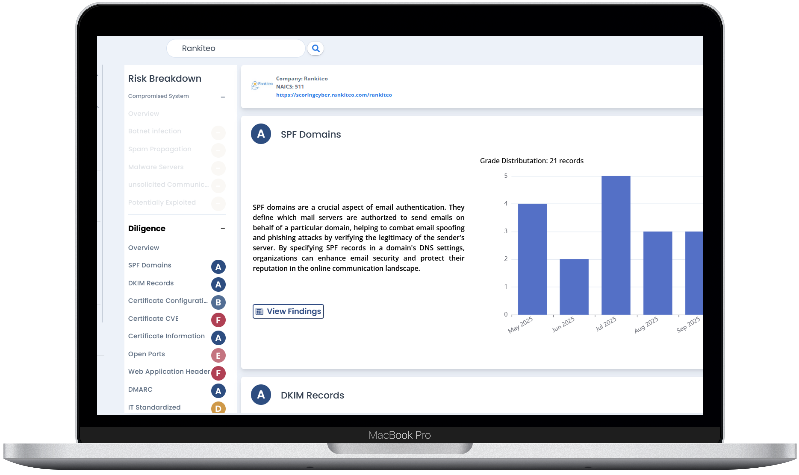
Every week, Rankiteo analyzes billions of signals to give organizations a sharper, faster view of emerging risks. With deeper, more actionable intelligence at their fingertips, security teams can outpace threat actors, respond instantly to Zero-Day attacks, and dramatically shrink their risk exposure window.
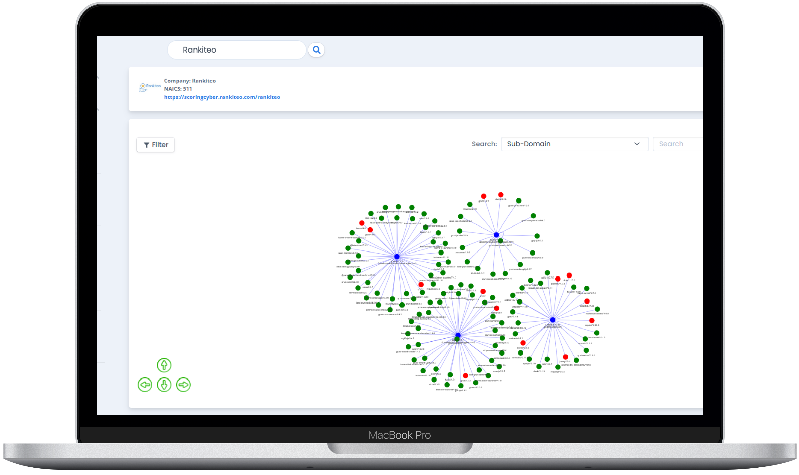
Identify exposed access points, detect misconfigured SSL certificates, and uncover vulnerabilities across the network infrastructure.
Gain visibility into the software components used within an organization to detect vulnerabilities, manage risk, and ensure supply chain security.
Monitor and manage all IT assets and their configurations to ensure accurate, real-time visibility across the company's technology environment.
Leverage real-time insights on active threats, malware campaigns, and emerging vulnerabilities to proactively defend against evolving cyberattacks.





 Rapid
Rapid