





KRDA
Company Details
Linkedin ID:
klm
Website:
Employees number:
22,391
Number of followers:
795,007
NAICS:
481
Industry Type:
Homepage:
http://klmf.ly/R05uLo
IP Addresses:
0
Company ID:
KLM_6987762
Scan Status:
In-progress

KLM Royal Dutch Airlines Company CyberSecurity Posture
http://klmf.ly/R05uLo


Welcome to our LinkedIn page! To learn how we can assist you, please check: http://klmf.ly/ContactCentre. KLM was founded in 1919 and is the oldest airline in the world. With a vast network of European and intercontinental destinations, KLM can offer direct flights to major cities and economic centres all over the world. Through our LinkedIn account, we make sure you are kept up-to-date about KLM and other developments in the air transport industry.
Company Details
klm
22,391
795,007
481
http://klmf.ly/R05uLo
0
KLM_6987762
In-progress
 KRDA Risk Score (AI oriented)
Between 700 and 749
 KRDA Global Score (TPRM)
XXXX
Description: Air France and KLM suffered a data breach on their **external customer service platform**, where hackers gained unauthorized access to **customer personal data**, including **names, emails, phone numbers, loyalty program details, and recent transactions**. While **no financial data was stolen**, the exposed information remains highly valuable for cybercriminals, enabling **AI-powered impersonation attacks, phishing, and fraudulent account takeovers**. The breach was linked to the **ShinyHunters hacker group**, which exploited **third-party vulnerabilities** in Salesforce-based customer service systems. Authorities in **France and the Netherlands** were notified, and affected customers were advised to monitor for **suspicious communications and fraudulent activity**. The airlines confirmed that **internal systems remained secure**, but the incident highlights the growing risk of **AI-driven social engineering attacks** targeting customer support portals.
Description: In a recent cybersecurity incident involving **Air France**, the airline fell victim to a **third-party supply chain breach**, a growing trend highlighted in the Verizon DBIR report (2025). The attack exploited vulnerabilities within one of Air France’s critical vendors, likely a supplier handling passenger data, booking systems, or operational logistics. While specifics remain undisclosed, the breach led to unauthorized access to **customer personal and financial information**, including booking details, payment records, and potentially frequent flyer accounts. The incident triggered regulatory scrutiny under **GDPR**, given the exposure of EU citizen data, and prompted Air France to initiate emergency containment protocols. Customers reported fraudulent transactions linked to compromised accounts, while the airline faced reputational damage due to media coverage and public distrust. Operational disruptions, such as delayed refunds or loyalty program freezes, further exacerbated the fallout. Air France’s cyber insurance premiums are expected to surge, reflecting heightened risk exposure. The breach underscores the cascading risks of supply chain vulnerabilities, where a single weak link in a vendor’s security posture can cripple a global enterprise.
Description: Air France suffered a **cyber attack** via a **third-party vendor (Salesforce)**, compromising the **personal data of tens of thousands of passengers**, including full names, contact details, frequent flyer status, and email subject lines from service requests. While **credit card or passport data was not accessed**, the stolen information was allegedly **sold on the dark web**, exposing victims to **identity theft and phishing scams**. The breach, linked to the **Scattered Spider hacking group**, exploited social engineering tactics to infiltrate Air France’s customer support systems. A **class-action lawsuit** (filed in New York under *1:25-cv-07634*) accuses the airline of **negligent cybersecurity practices**, failing to prevent, detect, or mitigate the breach despite prior warnings about aviation sector vulnerabilities. Although Air France offered **complimentary credit monitoring**, plaintiffs argue this does not address the **long-term risks of fraud and privacy violations**. The incident mirrors a similar attack on **Qantas** via the same Salesforce vulnerability in July 2023.
Description: KLM Airlines experienced a data breach involving a third-party system, exposing limited personal details of customers, including names, contact information, Flying Blue membership numbers, and email subject lines. While no sensitive data like passwords, credit card numbers, or passport details were compromised, the exposed information could be misused for targeted phishing scams. The breach did not affect core systems, and corrective measures were taken to secure the system. Customers were advised to remain vigilant against suspicious communications.
Description: KLM and other airlines informed the customers of Flying Blue that some of their personal information was exposed following a breach of their accounts. An unauthorized entity suspiciously used these accounts and thus immediate corrective action was taken to prevent further exposure of data. However, the breached information included the names, email addresses, phone numbers, latest transactions, and Flying Blue information. Additionally, the accounts of affected customers were locked due to the breach and they were also asked to change their passwords on the KLM and Air France websites.


KLM Royal Dutch Airlines has 56.25% more incidents than the average of same-industry companies with at least one recorded incident.
KLM Royal Dutch Airlines has 29.87% more incidents than the average of all companies with at least one recorded incident.
KLM Royal Dutch Airlines reported 1 incidents this year: 0 cyber attacks, 0 ransomware, 0 vulnerabilities, 1 data breaches, compared to industry peers with at least 1 incident.
KRDA cyber incidents detection timeline including parent company and subsidiaries
Welcome to our LinkedIn page! To learn how we can assist you, please check: http://klmf.ly/ContactCentre. KLM was founded in 1919 and is the oldest airline in the world. With a vast network of European and intercontinental destinations, KLM can offer direct flights to major cities and economic centres all over the world. Through our LinkedIn account, we make sure you are kept up-to-date about KLM and other developments in the air transport industry.

We are the leading airline in South America with the largest destinations, frequencies and aircraft fleet offer. We have the largest network of domestic destinations in five South American markets: Brazil, Chile, Colombia, Ecuador and Peru, and international operations in Latin America, Europe, the
We’re creating an airline people love. It begins with each Alaska Airlines employee, bringing unique strengths and energy to our work in the air and on the ground. Every day, we go beyond what’s expected and reach for the remarkable, together. Welcome to our LinkedIn page. We like conversations on
When JetBlue first took flight in February 2000, our founding goal was to bring humanity back to air travel, and over two decades later, we still put our customers, crewmembers and communities at the center of everything we do. Before we even had aircraft to fly, our founders selected five values
As a global airline and the UK’s flag carrier, British Airways has been flying its customers to where they need to be for more than 100 years. The airline connects Britain with the world and the world with Britain, operating one of the most extensive international scheduled airline route networks to

At Saudia Group, we're on a mission to inspire people to go beyond borders. Our purpose is rooted in unlocking human potential and connecting the world in ways never thought possible. We are committed to reshaping the aviation ecosystem in our region and beyond, by embracing innovation and a custome
We would like to acknowledge the Traditional Custodians of the local lands and waterways on which we live, work and fly. We pay our respects to Elders past and present. Spirit is everything to us, and joining the Qantas team means bringing your spirit to ours. We have over 26,000 exceptional emplo
As one of the three major air carriers in China, headquartered in Shanghai, China Eastern Airlines operates 111 domestic and overseas branches across the globe. Flying a fleet of 730 aircraft which is one of the youngest fleets in major airlines worldwide. Moreover, it boasts the largest-scale in-fl

Based in Dubai, the Emirates Group employs over 103,363 staff from more than 160 nationalities. The Emirates Group’s extensive and diverse international portfolio includes the world’s largest international airline, Emirates, and one of the largest combined air services provider in the world, dnata.
Turkish Airlines has soared to new heights since its first flight in 1933, becoming the airline that connects more countries than any other. Our commitment to excellence is reflected in the world-class service, comfort, and innovative travel experience we offer, designed to elevate every journey.
.png)
Hackers have exposed personal data from six million Qantas customers on dark web after a software vendor refused to meet ransom demands.
Qantas was one of several well known international companies that fell victim to a cyber attack on its Salesforce customer service software.
A major cyberattack on KLM disrupted flights and exposed millions of passenger records, forcing travelers to rebook and seek compensation.
In August, Air France and KLM Royal Dutch Airlines revealed they were the latest victims of a cyber attack that allowed hackers to gain...
Cyberattack disrupts check-in systems at european airports such as Heathrow, Brussels, and Berlin, exposing cybersecurity vulnerabilities.
Thousands of air passengers faced chaos yesterday after hundreds of flights were delayed at Heathrow as a suspected cyber-attack crippled...
Flights have been delayed and cancelled at airports including Heathrow after an alleged cyber attack.
Heathrow is one of a number of airports reporting problems with check-in and boarding systems following a cyber attack.
Several international airports are experiencing disruption after an alleged cyber attack on a technical partner.

Explore insights on cybersecurity incidents, risk posture, and Rankiteo's assessments.
The official website of KLM Royal Dutch Airlines is http://klmf.ly/R05uLo.
According to Rankiteo, KLM Royal Dutch Airlines’s AI-generated cybersecurity score is 725, reflecting their Moderate security posture.
According to Rankiteo, KLM Royal Dutch Airlines currently holds 0 security badges, indicating that no recognized compliance certifications are currently verified for the organization.
According to Rankiteo, KLM Royal Dutch Airlines is not certified under SOC 2 Type 1.
According to Rankiteo, KLM Royal Dutch Airlines does not hold a SOC 2 Type 2 certification.
According to Rankiteo, KLM Royal Dutch Airlines is not listed as GDPR compliant.
According to Rankiteo, KLM Royal Dutch Airlines does not currently maintain PCI DSS compliance.
According to Rankiteo, KLM Royal Dutch Airlines is not compliant with HIPAA regulations.
According to Rankiteo,KLM Royal Dutch Airlines is not certified under ISO 27001, indicating the absence of a formally recognized information security management framework.
KLM Royal Dutch Airlines operates primarily in the Airlines and Aviation industry.
KLM Royal Dutch Airlines employs approximately 22,391 people worldwide.
KLM Royal Dutch Airlines presently has no subsidiaries across any sectors.
KLM Royal Dutch Airlines’s official LinkedIn profile has approximately 795,007 followers.
KLM Royal Dutch Airlines is classified under the NAICS code 481, which corresponds to Air Transportation.
No, KLM Royal Dutch Airlines does not have a profile on Crunchbase.
Yes, KLM Royal Dutch Airlines maintains an official LinkedIn profile, which is actively utilized for branding and talent engagement, which can be accessed here: https://www.linkedin.com/company/klm.
As of December 11, 2025, Rankiteo reports that KLM Royal Dutch Airlines has experienced 5 cybersecurity incidents.
KLM Royal Dutch Airlines has an estimated 3,515 peer or competitor companies worldwide.
Incident Types: The types of cybersecurity incidents that have occurred include Cyber Attack and Breach.
Detection and Response: The company detects and responds to cybersecurity incidents through an containment measures with accounts locked, containment measures with passwords changed, and communication strategy with customers were informed and advised to change passwords, and incident response plan activated with yes, and third party assistance with yes, and containment measures with secured the third-party system, and remediation measures with corrective steps taken to prevent repeat incidents, and communication strategy with email notifications to affected customers, advisories on official channels, and incident response plan activated with yes, and third party assistance with external it security teams, third party assistance with salesforce (likely), and law enforcement notified with french authorities, law enforcement notified with dutch authorities, and containment measures with immediate access revocation for attackers, containment measures with isolation of affected platform, and remediation measures with security controls enhancement, remediation measures with preventive measures implementation, and communication strategy with joint public statement, communication strategy with direct customer notifications, communication strategy with vigilance advisories, and enhanced monitoring with yes, and third party assistance with securityscorecard, third party assistance with cyber rescue alliance, and communication strategy with webinar (august 20, 2025), communication strategy with supplier risk awareness, and remediation measures with complimentary credit monitoring service for affected customers, and communication strategy with public disclosure in august 2025, communication strategy with customer advisories (likely)..
Title: KLM and Flying Blue Data Breach
Description: KLM and other airlines informed the customers of Flying Blue that some of their personal information was exposed following a breach of their accounts. An unauthorized entity suspiciously used these accounts and thus immediate corrective action was taken to prevent further exposure of data. The breached information included the names, email addresses, phone numbers, latest transactions, and Flying Blue information. Additionally, the accounts of affected customers were locked due to the breach and they were also asked to change their passwords on the KLM and Air France websites.
Type: Data Breach
Threat Actor: Unauthorized entity
Title: KLM Airlines Data Breach
Description: KLM Airlines notified customers about a data breach that exposed certain personal details after a third-party system the company relies on was accessed by an unauthorized party. The breach involved a limited set of personal data from previous interactions with their customer service team, including first and last names, contact details, Flying Blue membership numbers and tier levels, and subject lines from service-related emails.
Type: Data Breach
Attack Vector: Third-party system compromise
Motivation: Potential misuse in targeted scams
Title: Air France-KLM Customer Service Platform Data Breach
Description: Air France and KLM detected unusual activity on an external customer service platform, leading to unauthorized access to customer data. Hackers accessed personal details including names, emails, phone numbers, loyalty program information, and recent transactions. No financial details were stolen, but the compromised data is valuable for cybercriminals. The breach is linked to the ShinyHunters group, which has targeted Salesforce customer service systems used by major brands. The attack leveraged AI-powered social engineering, including voice cloning and deepfake impersonations, to bypass security measures. Authorities in France and the Netherlands were notified, and affected customers were advised to monitor for phishing attempts and suspicious activity.
Type: Data Breach
Attack Vector: AI-Amplified Social EngineeringThird-Party Customer Service Platform ExploitationVoice CloningDeepfake Impersonation
Vulnerability Exploited: Human Weakness in Customer ServiceLack of Robust Security Controls on Third-Party PlatformsAI-Generated Convincing Impersonations
Threat Actor: ShinyHunters
Motivation: Financial GainData MonetizationIdentity TheftLoyalty Program Fraud
Title: None
Description: The description mentions an upcoming webinar (August 20, 2025) hosted by **SecurityScorecard** and **Cyber Rescue Alliance**, focusing on cyber resilience, supply chain security, and recent breaches (including **Air France**, **Google**, and **Microsoft**). The event highlights that **one-third of breaches now originate via third parties** (per Verizon DBIR) and emphasizes proactive measures to mitigate supplier risks using **SecurityScorecard’s platform**. No specific incident details (e.g., dates, attack vectors, or impacts) are provided for any single breach.
Type: Supply Chain Breach (Anticipated)
Title: Air France Data Breach via Third-Party Vendor (Salesforce) Leading to Class Action Lawsuit
Description: Air France is facing a class action lawsuit over a cyber attack that resulted in the theft of personal details of tens of thousands of passengers, which were allegedly sold on the dark web. The breach occurred via a third-party vendor (Salesforce) supplying customer support software to Air France. Hackers accessed data including full names, contact details, frequent flyer status, and email subject lines. While no credit card or passport data was compromised, the stolen information could be used for identity theft or phishing scams. The lawsuit alleges Air France failed to implement adequate cybersecurity safeguards. The incident is linked to the Scattered Spider group, known for social engineering attacks.
Date Publicly Disclosed: 2025-08-mid
Type: data breach
Attack Vector: third-party vendor compromise (Salesforce)social engineering (Scattered Spider group)
Vulnerability Exploited: weak cybersecurity safeguards in third-party vendor (Salesforce)social engineering targeting IT helpdesks
Threat Actor: Scattered Spider group (alleged)unknown cybercriminals
Motivation: financial gain (data sold on dark web)identity theftphishing scams
Common Attack Types: The most common types of attacks the company has faced is Breach.
Identification of Attack Vectors: The company identifies the attack vectors used in incidents through Third-party system, Third-Party Customer Service Platform (Likely Salesforce) and compromised Salesforce customer support software.

Data Compromised: Names, Email addresses, Phone numbers, Latest transactions, Flying blue information
Data Compromised: First and last names, contact details, Flying Blue membership numbers and tier levels, subject lines from service-related emails
Systems Affected: Third-party platform
Brand Reputation Impact: Potential damage due to phishing risks
Identity Theft Risk: Possible due to exposed personal details
Data Compromised: Names, Emails, Phone numbers, Loyalty program information, Recent transactions
Systems Affected: External Customer Service Platform (Salesforce-based)
Operational Impact: Customer NotificationsEnhanced MonitoringSecurity Measures Implementation
Brand Reputation Impact: Potential Erosion of TrustIncreased Scrutiny on Security Practices
Identity Theft Risk: ['High (Due to Personal Data Exposure)']
Payment Information Risk: ['None (No Financial Details Stolen)']
Data Compromised: Full names, Contact details, Frequent flyer status, Email subject lines of service requests
Systems Affected: Salesforce customer support software
Customer Complaints: ['class action lawsuit filed by Ethan Allison and Arya Soofiani']
Brand Reputation Impact: negative publicityloss of customer trustlegal scrutiny
Legal Liabilities: class action lawsuit (case number: 1:25-cv-07634)potential regulatory fines
Identity Theft Risk: ['high (due to exposed PII)', 'phishing scams targeting victims']
Payment Information Risk: ['low (no credit card or passport data accessed)']
Commonly Compromised Data Types: The types of data most commonly compromised in incidents are Names, Email Addresses, Phone Numbers, Latest Transactions, Flying Blue Information, , Personal details, Personal Identifiable Information (Pii), Loyalty Program Data, Transaction Histories, , Personally Identifiable Information (Pii), Customer Service Request Metadata and .
Entity Name: KLM Airlines
Entity Type: Airline
Industry: Aviation
Location: France/Netherlands
Size: Multinational
Customers Affected: Frequent flyers and other customers
Entity Name: Air France
Entity Type: Airline
Industry: Aviation
Location: France
Size: Large (Global Carrier)
Entity Name: KLM
Entity Type: Airline
Industry: Aviation
Location: Netherlands
Size: Large (Global Carrier)
Entity Name: Air France
Entity Type: Airline
Industry: Aviation/Transportation
Location: France
Entity Name: Google
Entity Type: Technology Company
Industry: Tech/Internet Services
Location: USA (Global)
Entity Name: Microsoft
Entity Type: Technology Company
Industry: Tech/Software
Location: USA (Global)
Entity Name: Air France
Entity Type: airline
Industry: aviation
Location: France
Size: large (part of Air France-KLM Group)
Customers Affected: tens of thousands
Entity Name: KLM Royal Dutch Airlines
Entity Type: airline
Industry: aviation
Location: Netherlands
Size: large (part of Air France-KLM Group)
Entity Name: Salesforce (third-party vendor)
Entity Type: software provider
Industry: technology
Location: USA
Size: large
Entity Name: Qantas
Entity Type: airline
Industry: aviation
Location: Australia
Size: large
Entity Name: Cartier
Entity Type: luxury retailer
Industry: retail
Entity Name: Louis Vuitton
Entity Type: luxury retailer
Industry: retail
Entity Name: Pandora
Entity Type: jewelry retailer
Industry: retail
Containment Measures: Accounts lockedPasswords changed
Communication Strategy: Customers were informed and advised to change passwords
Incident Response Plan Activated: Yes
Third Party Assistance: Yes
Containment Measures: Secured the third-party system
Remediation Measures: Corrective steps taken to prevent repeat incidents
Communication Strategy: Email notifications to affected customers, advisories on official channels
Incident Response Plan Activated: Yes
Third Party Assistance: External It Security Teams, Salesforce (Likely).
Law Enforcement Notified: French Authorities, Dutch Authorities,
Containment Measures: Immediate Access Revocation for AttackersIsolation of Affected Platform
Remediation Measures: Security Controls EnhancementPreventive Measures Implementation
Communication Strategy: Joint Public StatementDirect Customer NotificationsVigilance Advisories
Enhanced Monitoring: Yes
Third Party Assistance: Securityscorecard, Cyber Rescue Alliance.
Communication Strategy: Webinar (August 20, 2025)Supplier Risk Awareness
Remediation Measures: complimentary credit monitoring service for affected customers
Communication Strategy: public disclosure in August 2025customer advisories (likely)
Incident Response Plan: The company's incident response plan is described as Yes, Yes.
Third-Party Assistance: The company involves third-party assistance in incident response through Yes, External IT Security Teams, Salesforce (Likely), , SecurityScorecard, Cyber Rescue Alliance, .
Type of Data Compromised: Names, Email addresses, Phone numbers, Latest transactions, Flying blue information
Personally Identifiable Information: namesemail addressesphone numbers
Type of Data Compromised: Personal details
Sensitivity of Data: Moderate
Data Exfiltration: Yes
Personally Identifiable Information: First and last names, contact details, Flying Blue membership numbers and tier levels
Type of Data Compromised: Personal identifiable information (pii), Loyalty program data, Transaction histories
Sensitivity of Data: Moderate to High (Enough for Impersonation and Targeted Scams)
Data Exfiltration: Yes
Personally Identifiable Information: NamesEmailsPhone NumbersLoyalty Program DetailsTransaction Records
Type of Data Compromised: Personally identifiable information (pii), Customer service request metadata
Number of Records Exposed: tens of thousands
Sensitivity of Data: moderate (no financial or passport data, but PII exposed)
Data Exfiltration: data sold on the dark web
File Types Exposed: customer support recordsemail metadata
Personally Identifiable Information: full namescontact detailsfrequent flyer status
Prevention of Data Exfiltration: The company takes the following measures to prevent data exfiltration: Corrective steps taken to prevent repeat incidents, Security Controls Enhancement, Preventive Measures Implementation, , complimentary credit monitoring service for affected customers, .
Handling of PII Incidents: The company handles incidents involving personally identifiable information (PII) through by accounts locked, passwords changed, , secured the third-party system, immediate access revocation for attackers, isolation of affected platform and .
Data Exfiltration: Yes (But Not Ransomware-Related)
Data Exfiltration: ['data stolen and sold on dark web']
Regulations Violated: EU privacy laws
Regulatory Notifications: Report filed with the Dutch Data Protection Authority
Regulatory Notifications: French Data Protection Authority (CNIL)Dutch Data Protection Authority (AP)
Legal Actions: class action lawsuit (case number: 1:25-cv-07634),
Ensuring Regulatory Compliance: The company ensures compliance with regulatory requirements through class action lawsuit (case number: 1:25-cv-07634), .
Lessons Learned: Importance of securing third-party systems and monitoring for phishing risks
Lessons Learned: Third-party customer service platforms are high-value targets due to weak security controls and rich personal data., AI-powered impersonation (e.g., voice cloning, deepfakes) can bypass traditional human detection methods., Loyalty program data and transaction histories are lucrative for cybercriminals, enabling targeted scams and identity fraud., Rapid containment and customer communication are critical to mitigating reputational and operational damage., Multi-factor authentication (MFA) and phishing-resistant methods are essential for both customers and service representatives.
Lessons Learned: Proactive supply chain security is critical, with **one-third of breaches originating from third parties** (Verizon DBIR). Tools like **SecurityScorecard** can help identify high-risk suppliers months in advance.
Lessons Learned: Third-party vendor risks must be rigorously assessed and mitigated, especially in high-target industries like aviation., Social engineering attacks (e.g., Scattered Spider tactics) require robust employee training and verification protocols., Public disclosure timing and transparency are critical to maintaining customer trust., Complimentary credit monitoring may not suffice for long-term harm caused by PII exposure.
Recommendations: Customers advised to change account usernames and passwords, enable multi-factor authentication, and verify suspicious communications through official KLM channels
Recommendations: Implement **phishing-resistant MFA** (e.g., app-based, biometric, or security keys) for all customer-facing and internal systems., Enhance **security controls on third-party platforms**, including behavioral analytics, anomaly detection, and strict access limits., Train customer service teams to recognize **AI-generated impersonations**, including voice cloning and deepfake red flags., Monitor **dark web markets** for stolen data (e.g., loyalty points, PII) and proactively alert affected customers., Encourage customers to use **unique passwords**, **password managers**, and **identity theft protection services**., Deploy **personal data removal services** to reduce exposure of customer information on data broker sites., Conduct **regular security audits** of third-party vendors, especially those handling sensitive customer data., Educate customers on **post-breach phishing risks**, including scams referencing real transactions or loyalty balances., Adopt **AI-driven fraud detection tools** to counter AI-powered attacks, creating a defensive 'AI arms race.', Establish a **dedicated incident response team** for third-party breaches, with clear escalation paths to law enforcement.Implement **phishing-resistant MFA** (e.g., app-based, biometric, or security keys) for all customer-facing and internal systems., Enhance **security controls on third-party platforms**, including behavioral analytics, anomaly detection, and strict access limits., Train customer service teams to recognize **AI-generated impersonations**, including voice cloning and deepfake red flags., Monitor **dark web markets** for stolen data (e.g., loyalty points, PII) and proactively alert affected customers., Encourage customers to use **unique passwords**, **password managers**, and **identity theft protection services**., Deploy **personal data removal services** to reduce exposure of customer information on data broker sites., Conduct **regular security audits** of third-party vendors, especially those handling sensitive customer data., Educate customers on **post-breach phishing risks**, including scams referencing real transactions or loyalty balances., Adopt **AI-driven fraud detection tools** to counter AI-powered attacks, creating a defensive 'AI arms race.', Establish a **dedicated incident response team** for third-party breaches, with clear escalation paths to law enforcement.Implement **phishing-resistant MFA** (e.g., app-based, biometric, or security keys) for all customer-facing and internal systems., Enhance **security controls on third-party platforms**, including behavioral analytics, anomaly detection, and strict access limits., Train customer service teams to recognize **AI-generated impersonations**, including voice cloning and deepfake red flags., Monitor **dark web markets** for stolen data (e.g., loyalty points, PII) and proactively alert affected customers., Encourage customers to use **unique passwords**, **password managers**, and **identity theft protection services**., Deploy **personal data removal services** to reduce exposure of customer information on data broker sites., Conduct **regular security audits** of third-party vendors, especially those handling sensitive customer data., Educate customers on **post-breach phishing risks**, including scams referencing real transactions or loyalty balances., Adopt **AI-driven fraud detection tools** to counter AI-powered attacks, creating a defensive 'AI arms race.', Establish a **dedicated incident response team** for third-party breaches, with clear escalation paths to law enforcement.Implement **phishing-resistant MFA** (e.g., app-based, biometric, or security keys) for all customer-facing and internal systems., Enhance **security controls on third-party platforms**, including behavioral analytics, anomaly detection, and strict access limits., Train customer service teams to recognize **AI-generated impersonations**, including voice cloning and deepfake red flags., Monitor **dark web markets** for stolen data (e.g., loyalty points, PII) and proactively alert affected customers., Encourage customers to use **unique passwords**, **password managers**, and **identity theft protection services**., Deploy **personal data removal services** to reduce exposure of customer information on data broker sites., Conduct **regular security audits** of third-party vendors, especially those handling sensitive customer data., Educate customers on **post-breach phishing risks**, including scams referencing real transactions or loyalty balances., Adopt **AI-driven fraud detection tools** to counter AI-powered attacks, creating a defensive 'AI arms race.', Establish a **dedicated incident response team** for third-party breaches, with clear escalation paths to law enforcement.Implement **phishing-resistant MFA** (e.g., app-based, biometric, or security keys) for all customer-facing and internal systems., Enhance **security controls on third-party platforms**, including behavioral analytics, anomaly detection, and strict access limits., Train customer service teams to recognize **AI-generated impersonations**, including voice cloning and deepfake red flags., Monitor **dark web markets** for stolen data (e.g., loyalty points, PII) and proactively alert affected customers., Encourage customers to use **unique passwords**, **password managers**, and **identity theft protection services**., Deploy **personal data removal services** to reduce exposure of customer information on data broker sites., Conduct **regular security audits** of third-party vendors, especially those handling sensitive customer data., Educate customers on **post-breach phishing risks**, including scams referencing real transactions or loyalty balances., Adopt **AI-driven fraud detection tools** to counter AI-powered attacks, creating a defensive 'AI arms race.', Establish a **dedicated incident response team** for third-party breaches, with clear escalation paths to law enforcement.Implement **phishing-resistant MFA** (e.g., app-based, biometric, or security keys) for all customer-facing and internal systems., Enhance **security controls on third-party platforms**, including behavioral analytics, anomaly detection, and strict access limits., Train customer service teams to recognize **AI-generated impersonations**, including voice cloning and deepfake red flags., Monitor **dark web markets** for stolen data (e.g., loyalty points, PII) and proactively alert affected customers., Encourage customers to use **unique passwords**, **password managers**, and **identity theft protection services**., Deploy **personal data removal services** to reduce exposure of customer information on data broker sites., Conduct **regular security audits** of third-party vendors, especially those handling sensitive customer data., Educate customers on **post-breach phishing risks**, including scams referencing real transactions or loyalty balances., Adopt **AI-driven fraud detection tools** to counter AI-powered attacks, creating a defensive 'AI arms race.', Establish a **dedicated incident response team** for third-party breaches, with clear escalation paths to law enforcement.Implement **phishing-resistant MFA** (e.g., app-based, biometric, or security keys) for all customer-facing and internal systems., Enhance **security controls on third-party platforms**, including behavioral analytics, anomaly detection, and strict access limits., Train customer service teams to recognize **AI-generated impersonations**, including voice cloning and deepfake red flags., Monitor **dark web markets** for stolen data (e.g., loyalty points, PII) and proactively alert affected customers., Encourage customers to use **unique passwords**, **password managers**, and **identity theft protection services**., Deploy **personal data removal services** to reduce exposure of customer information on data broker sites., Conduct **regular security audits** of third-party vendors, especially those handling sensitive customer data., Educate customers on **post-breach phishing risks**, including scams referencing real transactions or loyalty balances., Adopt **AI-driven fraud detection tools** to counter AI-powered attacks, creating a defensive 'AI arms race.', Establish a **dedicated incident response team** for third-party breaches, with clear escalation paths to law enforcement.Implement **phishing-resistant MFA** (e.g., app-based, biometric, or security keys) for all customer-facing and internal systems., Enhance **security controls on third-party platforms**, including behavioral analytics, anomaly detection, and strict access limits., Train customer service teams to recognize **AI-generated impersonations**, including voice cloning and deepfake red flags., Monitor **dark web markets** for stolen data (e.g., loyalty points, PII) and proactively alert affected customers., Encourage customers to use **unique passwords**, **password managers**, and **identity theft protection services**., Deploy **personal data removal services** to reduce exposure of customer information on data broker sites., Conduct **regular security audits** of third-party vendors, especially those handling sensitive customer data., Educate customers on **post-breach phishing risks**, including scams referencing real transactions or loyalty balances., Adopt **AI-driven fraud detection tools** to counter AI-powered attacks, creating a defensive 'AI arms race.', Establish a **dedicated incident response team** for third-party breaches, with clear escalation paths to law enforcement.Implement **phishing-resistant MFA** (e.g., app-based, biometric, or security keys) for all customer-facing and internal systems., Enhance **security controls on third-party platforms**, including behavioral analytics, anomaly detection, and strict access limits., Train customer service teams to recognize **AI-generated impersonations**, including voice cloning and deepfake red flags., Monitor **dark web markets** for stolen data (e.g., loyalty points, PII) and proactively alert affected customers., Encourage customers to use **unique passwords**, **password managers**, and **identity theft protection services**., Deploy **personal data removal services** to reduce exposure of customer information on data broker sites., Conduct **regular security audits** of third-party vendors, especially those handling sensitive customer data., Educate customers on **post-breach phishing risks**, including scams referencing real transactions or loyalty balances., Adopt **AI-driven fraud detection tools** to counter AI-powered attacks, creating a defensive 'AI arms race.', Establish a **dedicated incident response team** for third-party breaches, with clear escalation paths to law enforcement.Implement **phishing-resistant MFA** (e.g., app-based, biometric, or security keys) for all customer-facing and internal systems., Enhance **security controls on third-party platforms**, including behavioral analytics, anomaly detection, and strict access limits., Train customer service teams to recognize **AI-generated impersonations**, including voice cloning and deepfake red flags., Monitor **dark web markets** for stolen data (e.g., loyalty points, PII) and proactively alert affected customers., Encourage customers to use **unique passwords**, **password managers**, and **identity theft protection services**., Deploy **personal data removal services** to reduce exposure of customer information on data broker sites., Conduct **regular security audits** of third-party vendors, especially those handling sensitive customer data., Educate customers on **post-breach phishing risks**, including scams referencing real transactions or loyalty balances., Adopt **AI-driven fraud detection tools** to counter AI-powered attacks, creating a defensive 'AI arms race.', Establish a **dedicated incident response team** for third-party breaches, with clear escalation paths to law enforcement.
Recommendations: Use **SecurityScorecard** to assess supplier cyber risk., Implement **network segmentation** and **enhanced monitoring** for third-party access., Attend industry webinars (e.g., August 20, 2025 event) for real-world insights., Negotiate cheaper cyber insurance by demonstrating resilience.Use **SecurityScorecard** to assess supplier cyber risk., Implement **network segmentation** and **enhanced monitoring** for third-party access., Attend industry webinars (e.g., August 20, 2025 event) for real-world insights., Negotiate cheaper cyber insurance by demonstrating resilience.Use **SecurityScorecard** to assess supplier cyber risk., Implement **network segmentation** and **enhanced monitoring** for third-party access., Attend industry webinars (e.g., August 20, 2025 event) for real-world insights., Negotiate cheaper cyber insurance by demonstrating resilience.Use **SecurityScorecard** to assess supplier cyber risk., Implement **network segmentation** and **enhanced monitoring** for third-party access., Attend industry webinars (e.g., August 20, 2025 event) for real-world insights., Negotiate cheaper cyber insurance by demonstrating resilience.
Recommendations: Implement multi-factor authentication (MFA) and stricter access controls for third-party vendors., Conduct regular security audits of third-party software providers, especially those handling customer data., Enhance employee training to detect and prevent social engineering attacks (e.g., fake IT helpdesk calls)., Develop a more comprehensive incident response plan, including long-term support for affected customers (e.g., identity theft protection)., Monitor dark web markets for exposed customer data and proactively notify affected individuals., Collaborate with industry peers (e.g., Qantas, other airlines) to share threat intelligence and best practices.Implement multi-factor authentication (MFA) and stricter access controls for third-party vendors., Conduct regular security audits of third-party software providers, especially those handling customer data., Enhance employee training to detect and prevent social engineering attacks (e.g., fake IT helpdesk calls)., Develop a more comprehensive incident response plan, including long-term support for affected customers (e.g., identity theft protection)., Monitor dark web markets for exposed customer data and proactively notify affected individuals., Collaborate with industry peers (e.g., Qantas, other airlines) to share threat intelligence and best practices.Implement multi-factor authentication (MFA) and stricter access controls for third-party vendors., Conduct regular security audits of third-party software providers, especially those handling customer data., Enhance employee training to detect and prevent social engineering attacks (e.g., fake IT helpdesk calls)., Develop a more comprehensive incident response plan, including long-term support for affected customers (e.g., identity theft protection)., Monitor dark web markets for exposed customer data and proactively notify affected individuals., Collaborate with industry peers (e.g., Qantas, other airlines) to share threat intelligence and best practices.Implement multi-factor authentication (MFA) and stricter access controls for third-party vendors., Conduct regular security audits of third-party software providers, especially those handling customer data., Enhance employee training to detect and prevent social engineering attacks (e.g., fake IT helpdesk calls)., Develop a more comprehensive incident response plan, including long-term support for affected customers (e.g., identity theft protection)., Monitor dark web markets for exposed customer data and proactively notify affected individuals., Collaborate with industry peers (e.g., Qantas, other airlines) to share threat intelligence and best practices.Implement multi-factor authentication (MFA) and stricter access controls for third-party vendors., Conduct regular security audits of third-party software providers, especially those handling customer data., Enhance employee training to detect and prevent social engineering attacks (e.g., fake IT helpdesk calls)., Develop a more comprehensive incident response plan, including long-term support for affected customers (e.g., identity theft protection)., Monitor dark web markets for exposed customer data and proactively notify affected individuals., Collaborate with industry peers (e.g., Qantas, other airlines) to share threat intelligence and best practices.Implement multi-factor authentication (MFA) and stricter access controls for third-party vendors., Conduct regular security audits of third-party software providers, especially those handling customer data., Enhance employee training to detect and prevent social engineering attacks (e.g., fake IT helpdesk calls)., Develop a more comprehensive incident response plan, including long-term support for affected customers (e.g., identity theft protection)., Monitor dark web markets for exposed customer data and proactively notify affected individuals., Collaborate with industry peers (e.g., Qantas, other airlines) to share threat intelligence and best practices.
Key Lessons Learned: The key lessons learned from past incidents are Importance of securing third-party systems and monitoring for phishing risksThird-party customer service platforms are high-value targets due to weak security controls and rich personal data.,AI-powered impersonation (e.g., voice cloning, deepfakes) can bypass traditional human detection methods.,Loyalty program data and transaction histories are lucrative for cybercriminals, enabling targeted scams and identity fraud.,Rapid containment and customer communication are critical to mitigating reputational and operational damage.,Multi-factor authentication (MFA) and phishing-resistant methods are essential for both customers and service representatives.Proactive supply chain security is critical, with **one-third of breaches originating from third parties** (Verizon DBIR). Tools like **SecurityScorecard** can help identify high-risk suppliers months in advance.Third-party vendor risks must be rigorously assessed and mitigated, especially in high-target industries like aviation.,Social engineering attacks (e.g., Scattered Spider tactics) require robust employee training and verification protocols.,Public disclosure timing and transparency are critical to maintaining customer trust.,Complimentary credit monitoring may not suffice for long-term harm caused by PII exposure.
Implemented Recommendations: The company has implemented the following recommendations to improve cybersecurity: Establish a **dedicated incident response team** for third-party breaches, with clear escalation paths to law enforcement., Adopt **AI-driven fraud detection tools** to counter AI-powered attacks, creating a defensive 'AI arms race.', Enhance **security controls on third-party platforms**, including behavioral analytics, anomaly detection, and strict access limits., Encourage customers to use **unique passwords**, **password managers**, and **identity theft protection services**., Customers advised to change account usernames and passwords, enable multi-factor authentication, and verify suspicious communications through official KLM channels, Monitor **dark web markets** for stolen data (e.g., loyalty points, PII) and proactively alert affected customers., Educate customers on **post-breach phishing risks**, including scams referencing real transactions or loyalty balances., Deploy **personal data removal services** to reduce exposure of customer information on data broker sites., Implement **phishing-resistant MFA** (e.g., app-based, biometric, or security keys) for all customer-facing and internal systems., Conduct **regular security audits** of third-party vendors, especially those handling sensitive customer data., Train customer service teams to recognize **AI-generated impersonations** and including voice cloning and deepfake red flags..
Source: Hackread.com
Source: Fox News - CyberGuy Report
URL: https://www.foxnews.com/tech/air-france-klm-data-breach-hackers-access-customer-details
Source: Incode Technologies (Ricardo Amper, CEO)
Source: CyberGuy.com - Protection Tips
Source: Verizon DBIR (Data Breach Investigations Report)
Source: SecurityScorecard Webinar (August 20, 2025)
Source: Class action lawsuit filing (Southern District of New York)
Source: Air France-KLM Group public disclosure (August 2025)
Source: Unit 42 report on Scattered Spider targeting airlines
Additional Resources: Stakeholders can find additional resources on cybersecurity best practices at and Source: Hackread.com, and Source: Fox News - CyberGuy ReportUrl: https://www.foxnews.com/tech/air-france-klm-data-breach-hackers-access-customer-details, and Source: Incode Technologies (Ricardo Amper, CEO), and Source: CyberGuy.com - Protection TipsUrl: https://www.cyberguy.com/, and Source: Verizon DBIR (Data Breach Investigations Report), and Source: SecurityScorecard Webinar (August 20, 2025)Url: https://lnkd.in/g6Rh5EQW, and Source: Class action lawsuit filing (Southern District of New York), and Source: Air France-KLM Group public disclosure (August 2025), and Source: Unit 42 report on Scattered Spider targeting airlines.
Investigation Status: Ongoing
Investigation Status: Ongoing (Authorities Notified, Containment Achieved)
Investigation Status: ['ongoing (class action lawsuit in progress)', 'no public details on technical investigation']
Communication of Investigation Status: The company communicates the status of incident investigations to stakeholders through Customers were informed and advised to change passwords, Email notifications to affected customers, advisories on official channels, Joint Public Statement, Direct Customer Notifications, Vigilance Advisories, Webinar (August 20, 2025), Supplier Risk Awareness, Public Disclosure In August 2025 and Customer Advisories (Likely).
Stakeholder Advisories: Customers advised to be cautious of phishing attempts
Customer Advisories: Email notifications sent to affected customers
Stakeholder Advisories: Customers Advised To Enable Mfa, Monitor Accounts, And Watch For Phishing Attempts., Airlines Urged To Audit Third-Party Security And Enhance Employee Training On Ai Impersonation Risks..
Customer Advisories: Be vigilant for **phishing emails/phone calls** referencing recent flights or loyalty programs.Enable **multi-factor authentication (MFA)** on all accounts, especially airline and financial services.Monitor **loyalty program balances** and **bank statements** for unauthorized activity.Use **strong, unique passwords** and a **password manager** to prevent credential stuffing.Consider **identity theft protection** and **personal data removal services** to reduce exposure.Report suspicious activity to the airline and relevant authorities immediately.
Stakeholder Advisories: Webinar For Supply Chain Security Best Practices..
Customer Advisories: complimentary credit monitoring offeredlikely notifications to affected passengers
Advisories Provided: The company provides the following advisories to stakeholders and customers following an incident: were Customers advised to be cautious of phishing attempts, Email notifications sent to affected customers, Customers Advised To Enable Mfa, Monitor Accounts, And Watch For Phishing Attempts., Airlines Urged To Audit Third-Party Security And Enhance Employee Training On Ai Impersonation Risks., Be Vigilant For **Phishing Emails/Phone Calls** Referencing Recent Flights Or Loyalty Programs., Enable **Multi-Factor Authentication (Mfa)** On All Accounts, Especially Airline And Financial Services., Monitor **Loyalty Program Balances** And **Bank Statements** For Unauthorized Activity., Use **Strong, Unique Passwords** And A **Password Manager** To Prevent Credential Stuffing., Consider **Identity Theft Protection** And **Personal Data Removal Services** To Reduce Exposure., Report Suspicious Activity To The Airline And Relevant Authorities Immediately., , Webinar For Supply Chain Security Best Practices., Complimentary Credit Monitoring Offered, Likely Notifications To Affected Passengers and .
Entry Point: Third-party system
Entry Point: Third-Party Customer Service Platform (Likely Salesforce)
High Value Targets: Customer Pii, Loyalty Program Data, Transaction Histories,
Data Sold on Dark Web: Customer Pii, Loyalty Program Data, Transaction Histories,
Entry Point: Compromised Salesforce Customer Support Software,
High Value Targets: Customer Pii, Frequent Flyer Data,
Data Sold on Dark Web: Customer Pii, Frequent Flyer Data,
Root Causes: Third-party system vulnerability
Corrective Actions: Secured the third-party system and implemented measures to prevent future incidents
Root Causes: Over-Reliance On Third-Party Platforms With Inadequate Security Controls., Lack Of Preparedness For Ai-Powered Social Engineering Attacks (E.G., Voice Cloning)., Human Vulnerability In Customer Service Roles, Exploited Via Convincing Impersonations., Insufficient Segmentation Between Third-Party Systems And Core Airline Networks (Though Internal Systems Remained Secure).,
Corrective Actions: Terminated Attackers' Access And Secured The Compromised Platform., Implemented Additional Security Measures To Prevent Recurrence (Details Undisclosed)., Notified Regulatory Authorities In France And The Netherlands., Communicated Transparently With Affected Customers, Advising Vigilance., Likely Reviewing Third-Party Vendor Security Policies And Ai Fraud Detection Capabilities.,
Root Causes: Third-Party Vulnerabilities (Per Verizon Dbir),
Corrective Actions: Supplier Risk Scoring (E.G., Securityscorecard), Proactive Monitoring,
Root Causes: Inadequate Cybersecurity Safeguards At Third-Party Vendor (Salesforce)., Lack Of Employee Training To Prevent Social Engineering Attacks (E.G., Scattered Spider Tactics)., Failure To Anticipate And Mitigate Risks Despite Prior Warnings (E.G., Qantas Breach In July 2025).,
Post-Incident Analysis Process: The company's process for conducting post-incident analysis is described as External It Security Teams, Salesforce (Likely), , Yes, Securityscorecard, Cyber Rescue Alliance, .
Corrective Actions Taken: The company has taken the following corrective actions based on post-incident analysis: Secured the third-party system and implemented measures to prevent future incidents, Terminated Attackers' Access And Secured The Compromised Platform., Implemented Additional Security Measures To Prevent Recurrence (Details Undisclosed)., Notified Regulatory Authorities In France And The Netherlands., Communicated Transparently With Affected Customers, Advising Vigilance., Likely Reviewing Third-Party Vendor Security Policies And Ai Fraud Detection Capabilities., , Supplier Risk Scoring (E.G., Securityscorecard), Proactive Monitoring, .
Last Attacking Group: The attacking group in the last incident were an Unauthorized entity, ShinyHunters and Scattered Spider group (alleged)unknown cybercriminals.
Most Recent Incident Publicly Disclosed: The most recent incident publicly disclosed was on 2025-08-mid.
Most Significant Data Compromised: The most significant data compromised in an incident were names, email addresses, phone numbers, latest transactions, Flying Blue information, , First and last names, contact details, Flying Blue membership numbers and tier levels, subject lines from service-related emails, Names, Emails, Phone Numbers, Loyalty Program Information, Recent Transactions, , full names, contact details, frequent flyer status, email subject lines of service requests and .
Most Significant System Affected: The most significant system affected in an incident was External Customer Service Platform (Salesforce-based) and Salesforce customer support software.
Third-Party Assistance in Most Recent Incident: The third-party assistance involved in the most recent incident was external it security teams, salesforce (likely), , securityscorecard, cyber rescue alliance, .
Containment Measures in Most Recent Incident: The containment measures taken in the most recent incident were Accounts lockedPasswords changed, Secured the third-party system and Immediate Access Revocation for AttackersIsolation of Affected Platform.
Most Sensitive Data Compromised: The most sensitive data compromised in a breach were latest transactions, Emails, First and last names, contact details, Flying Blue membership numbers and tier levels, subject lines from service-related emails, names, Flying Blue information, Names, Phone Numbers, email subject lines of service requests, Recent Transactions, contact details, frequent flyer status, full names, phone numbers, Loyalty Program Information and email addresses.
Number of Records Exposed in Most Significant Breach: The number of records exposed in the most significant breach was 0.
Most Significant Legal Action: The most significant legal action taken for a regulatory violation was class action lawsuit (case number: 1:25-cv-07634), .
Most Significant Lesson Learned: The most significant lesson learned from past incidents was Complimentary credit monitoring may not suffice for long-term harm caused by PII exposure.
Most Significant Recommendation Implemented: The most significant recommendation implemented to improve cybersecurity was Implement **network segmentation** and **enhanced monitoring** for third-party access., Collaborate with industry peers (e.g., Qantas, other airlines) to share threat intelligence and best practices., Customers advised to change account usernames and passwords, enable multi-factor authentication, and verify suspicious communications through official KLM channels, Educate customers on **post-breach phishing risks**, including scams referencing real transactions or loyalty balances., Monitor dark web markets for exposed customer data and proactively notify affected individuals., Deploy **personal data removal services** to reduce exposure of customer information on data broker sites., Develop a more comprehensive incident response plan, including long-term support for affected customers (e.g., identity theft protection)., Train customer service teams to recognize **AI-generated impersonations**, including voice cloning and deepfake red flags., Establish a **dedicated incident response team** for third-party breaches, with clear escalation paths to law enforcement., Negotiate cheaper cyber insurance by demonstrating resilience., Conduct regular security audits of third-party software providers, especially those handling customer data., Enhance **security controls on third-party platforms**, including behavioral analytics, anomaly detection, and strict access limits., Enhance employee training to detect and prevent social engineering attacks (e.g., fake IT helpdesk calls)., Monitor **dark web markets** for stolen data (e.g., loyalty points, PII) and proactively alert affected customers., Implement multi-factor authentication (MFA) and stricter access controls for third-party vendors., Conduct **regular security audits** of third-party vendors, especially those handling sensitive customer data., Adopt **AI-driven fraud detection tools** to counter AI-powered attacks, creating a defensive 'AI arms race.', Encourage customers to use **unique passwords**, **password managers**, and **identity theft protection services**., Implement **phishing-resistant MFA** (e.g., app-based, biometric, or security keys) for all customer-facing and internal systems., Use **SecurityScorecard** to assess supplier cyber risk., Attend industry webinars (e.g., August 20 and 2025 event) for real-world insights..
Most Recent Source: The most recent source of information about an incident are Fox News - CyberGuy Report, Verizon DBIR (Data Breach Investigations Report), Incode Technologies (Ricardo Amper, CEO), SecurityScorecard Webinar (August 20, 2025), Unit 42 report on Scattered Spider targeting airlines, Class action lawsuit filing (Southern District of New York), Hackread.com, Air France-KLM Group public disclosure (August 2025) and CyberGuy.com - Protection Tips.
Most Recent URL for Additional Resources: The most recent URL for additional resources on cybersecurity best practices is https://www.foxnews.com/tech/air-france-klm-data-breach-hackers-access-customer-details, https://www.cyberguy.com/, https://lnkd.in/g6Rh5EQW .
Current Status of Most Recent Investigation: The current status of the most recent investigation is Ongoing.
Most Recent Stakeholder Advisory: The most recent stakeholder advisory issued was Customers advised to be cautious of phishing attempts, Customers advised to enable MFA, monitor accounts, and watch for phishing attempts., Airlines urged to audit third-party security and enhance employee training on AI impersonation risks., Webinar for supply chain security best practices., .
Most Recent Customer Advisory: The most recent customer advisory issued were an Email notifications sent to affected customers, Be vigilant for **phishing emails/phone calls** referencing recent flights or loyalty programs.Enable **multi-factor authentication (MFA)** on all accounts, especially airline and financial services.Monitor **loyalty program balances** and **bank statements** for unauthorized activity.Use **strong, unique passwords** and a **password manager** to prevent credential stuffing.Consider **identity theft protection** and **personal data removal services** to reduce exposure.Report suspicious activity to the airline and relevant authorities immediately. and complimentary credit monitoring offeredlikely notifications to affected passengers.
Most Recent Entry Point: The most recent entry point used by an initial access broker were an Third-party system and Third-Party Customer Service Platform (Likely Salesforce).
Most Significant Root Cause: The most significant root cause identified in post-incident analysis was Third-party system vulnerability, Over-reliance on third-party platforms with inadequate security controls.Lack of preparedness for AI-powered social engineering attacks (e.g., voice cloning).Human vulnerability in customer service roles, exploited via convincing impersonations.Insufficient segmentation between third-party systems and core airline networks (though internal systems remained secure)., Third-party vulnerabilities (per Verizon DBIR), Inadequate cybersecurity safeguards at third-party vendor (Salesforce).Lack of employee training to prevent social engineering attacks (e.g., Scattered Spider tactics).Failure to anticipate and mitigate risks despite prior warnings (e.g., Qantas breach in July 2025)..
Most Significant Corrective Action: The most significant corrective action taken based on post-incident analysis was Secured the third-party system and implemented measures to prevent future incidents, Terminated attackers' access and secured the compromised platform.Implemented additional security measures to prevent recurrence (details undisclosed).Notified regulatory authorities in France and the Netherlands.Communicated transparently with affected customers, advising vigilance.Likely reviewing third-party vendor security policies and AI fraud detection capabilities., Supplier risk scoring (e.g., SecurityScorecard)Proactive monitoring.
.png)
FreePBX Endpoint Manager is a module for managing telephony endpoints in FreePBX systems. Versions prior to 16.0.96 and 17.0.1 through 17.0.9 have a weak default password. By default, this is a 6 digit numeric value which can be brute forced. (This is the app_password parameter). Depending on local configuration, this password could be the extension, voicemail, user manager, DPMA or EPM phone admin password. This issue is fixed in versions 16.0.96 and 17.0.10.
Neuron is a PHP framework for creating and orchestrating AI Agents. In versions 2.8.11 and below, the MySQLWriteTool executes arbitrary SQL provided by the caller using PDO::prepare() + execute() without semantic restrictions. This is consistent with the name (“write tool”), but in an LLM/agent context it becomes a high-risk capability: prompt injection or indirect prompt manipulation can cause execution of destructive queries such as DROP TABLE, TRUNCATE, DELETE, ALTER, or privilege-related statements (subject to DB permissions). Deployments that expose an agent with MySQLWriteTool enabled to untrusted input and/or run the tool with a DB user that has broad privileges are impacted. This issue is fixed in version 2.8.12.
Neuron is a PHP framework for creating and orchestrating AI Agents. Versions 2.8.11 and below use MySQLSelectTool, which is vulnerable to Read-Only Bypass. MySQLSelectTool is intended to be a read-only SQL tool (e.g., for LLM agent querying, however, validation based on the first keyword (e.g., SELECT) and a forbidden-keyword list does not block file-writing constructs such as INTO OUTFILE / INTO DUMPFILE. As a result, an attacker who can influence the tool input (e.g., via prompt injection through a public agent endpoint) may write arbitrary files to the DB server if the MySQL/MariaDB account has the FILE privilege and server configuration permits writes to a useful location (e.g., a web-accessible directory). This issue is fixed in version 2.8.12.
Okta Java Management SDK facilitates interactions with the Okta management API. In versions 11.0.0 through 20.0.0, race conditions may arise from concurrent requests using the ApiClient class. This could cause a status code or response header from one request’s response to influence another request’s response. This issue is fixed in version 20.0.1.
The Auth0 Next.js SDK is a library for implementing user authentication in Next.js applications. When using versions 4.11.0 through 4.11.2 and 4.12.0, simultaneous requests on the same client may result in improper lookups in the TokenRequestCache for the request results. This issue is fixed in versions 4.11.2 and 4.12.1.

Get company history

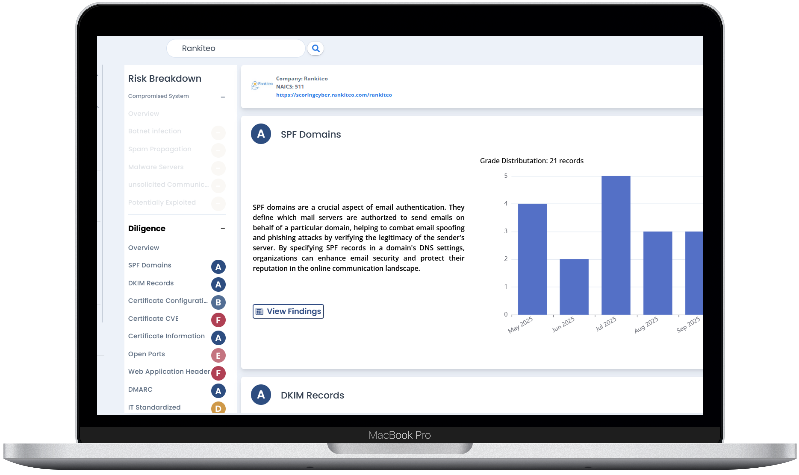
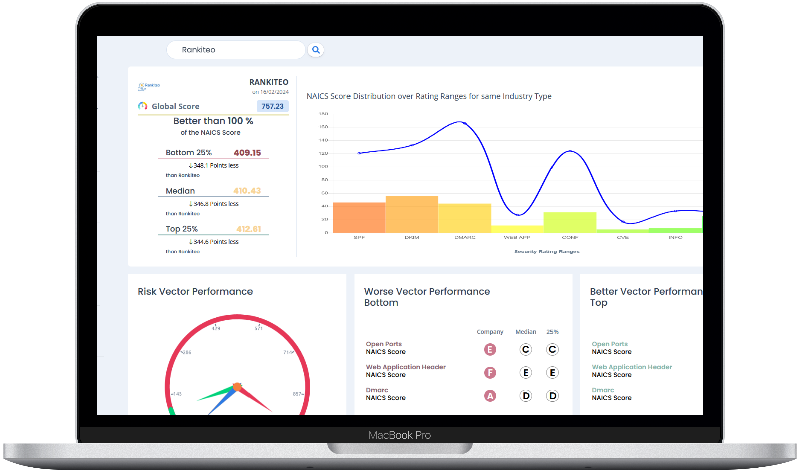
Every week, Rankiteo analyzes billions of signals to give organizations a sharper, faster view of emerging risks. With deeper, more actionable intelligence at their fingertips, security teams can outpace threat actors, respond instantly to Zero-Day attacks, and dramatically shrink their risk exposure window.
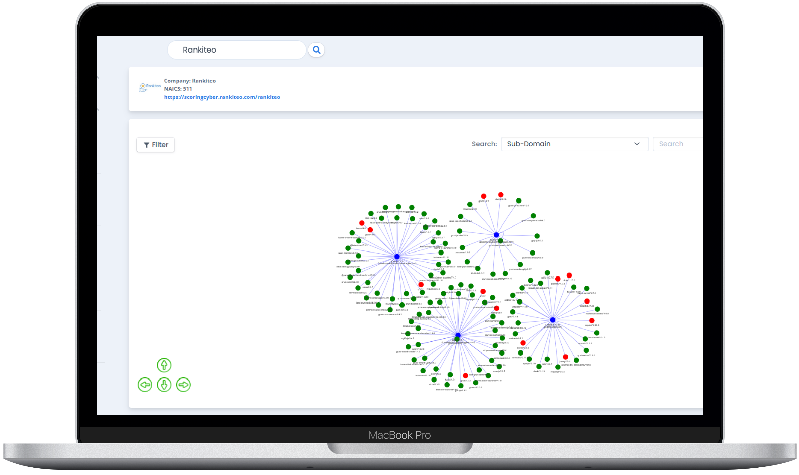
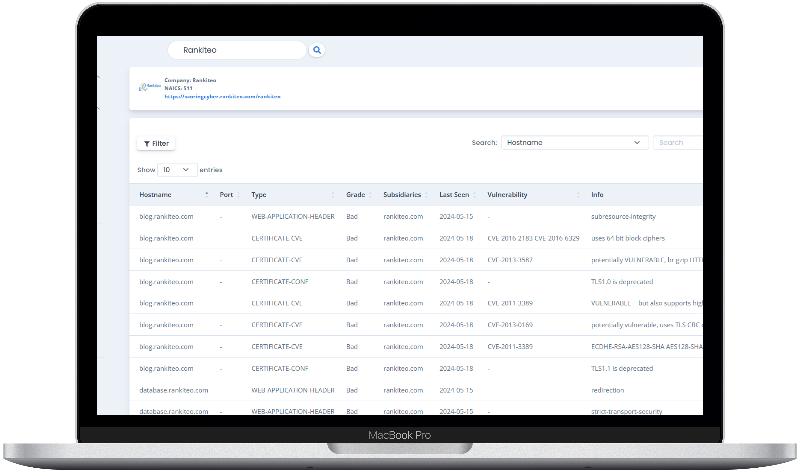
Identify exposed access points, detect misconfigured SSL certificates, and uncover vulnerabilities across the network infrastructure.
Gain visibility into the software components used within an organization to detect vulnerabilities, manage risk, and ensure supply chain security.
Monitor and manage all IT assets and their configurations to ensure accurate, real-time visibility across the company's technology environment.
Leverage real-time insights on active threats, malware campaigns, and emerging vulnerabilities to proactively defend against evolving cyberattacks.






 Rapid
Rapid