






CrowdStrike
Company Details
Linkedin ID:
crowdstrike
Website:
Employees number:
10,400
Number of followers:
955,946
NAICS:
541514
Industry Type:
Homepage:
crowdstrike.com
IP Addresses:
604
Company ID:
CRO_1661713
Scan Status:
Completed

CrowdStrike Company CyberSecurity Posture
crowdstrike.com


CrowdStrike (Nasdaq: CRWD), a global cybersecurity leader, has redefined modern security with the world’s most advanced cloud-native platform for protecting critical areas of enterprise risk — endpoints and cloud workloads, identity and data. Powered by the CrowdStrike Security Cloud and world-class AI, the CrowdStrike Falcon® platform leverages real-time indicators of attack, threat intelligence, evolving adversary tradecraft and enriched telemetry from across the enterprise to deliver hyper-accurate detections, automated protection and remediation, elite threat hunting and prioritized observability of vulnerabilities. Purpose-built in the cloud with a single lightweight-agent architecture, the Falcon platform delivers rapid and scalable deployment, superior protection and performance, reduced complexity and immediate time-to-value. CrowdStrike: We stop breaches.
Company Details
crowdstrike
10,400
955,946
541514
crowdstrike.com
604
CRO_1661713
Completed
 CrowdStrike Risk Score (AI oriented)
Between 750 and 799
 CrowdStrike Global Score (TPRM)
XXXX
Description: CrowdStrike confirmed that internal screenshots were leaked by a terminated employee to the **Scattered Lapsus$ Hunters** cybercrime collective and published on Telegram. The incident involved an insider allegedly paid **$25,000** by **ShinyHunters** for access, including SSO authentication cookies. However, CrowdStrike detected the unauthorized activity and revoked the insider’s access before any critical systems or customer data were compromised. The company stated that **no breach of its systems occurred**, and **no customer data was exposed**.The leak was part of a broader extortion campaign by **Scattered Lapsus$ Hunters**, a collective linked to high-profile breaches at companies like **Google, Cisco, and Jaguar Land Rover** (which suffered **$220M in damages**). The group has also targeted **Salesforce, FedEx, Disney, and Marriott** through voice-phishing and ransomware-as-a-service (RaaS) platforms like **ShinySp1d3r**. While the incident involved insider-driven data exposure, CrowdStrike maintained that its core security infrastructure remained intact, and law enforcement was engaged for further investigation.
Description: On January 7, 2025, CrowdStrike fell victim to a sophisticated phishing campaign that abused its recruitment branding, leading potential job applicants to inadvertently install a cryptominer, specifically the XMRig. The attackers crafted convincing phishing emails, promising the prospects a junior developer position and directing them to a fraudulent website. This site offered a fake 'employee CRM application,' which was, in reality, malware in the guise of a Windows executable. The attackers included evasion techniques to avoid detection, and upon passing these checks, the malware proceeded to use the victim's resources to mine cryptocurrency. This not only misused the company's resources but also possibly damaged its reputation among potential job applicants.
Description: CrowdStrike, a leader in cloud-delivered endpoint protection, faced a sophisticated cyber attack aiming to compromise its sensitive data and internal systems. The attack showcased the evolving tactics, techniques, and procedures (TTPs) of adversaries targeting cybersecurity firms. The attackers attempted to exploit vulnerabilities and deploy malware to access customer information and proprietary data. Through rapid detection and response, CrowdStrike was able to mitigate the attack, minimizing the impact on its operations and customer data. This incident underscores the continuous threats faced by cybersecurity providers and the importance of adopting a comprehensive cybersecurity strategy that includes real-time threat intelligence, advanced monitoring, and the implementation of a Zero Trust architecture to reduce the risk of such attacks.
Description: A **supply chain attack** (dubbed *Shai-Halud*) compromised multiple **npm packages** maintained under CrowdStrike’s official publisher account. Threat actors injected a malicious `bundle.js` script into packages like `@crowdstrike/commitlint`, `@crowdstrike/falcon-shoelace`, and others, which executed covertly upon installation. The payload deployed **TruffleHog**—a legitimate secret-scanning tool—to harvest **developer credentials, API keys, cloud tokens, and CI/CD secrets** from infected systems. Exfiltrated data was sent to a hardcoded attacker-controlled webhook (`hxxps://webhook[.]site/bb8ca5f6-4175-45d2-b042-fc9ebb8170b7`). The attack also **created unauthorized GitHub Actions workflows** in victim repositories, risking further compromise. While CrowdStrike removed the malicious versions and rotated keys, the breach exposed **internal development environments, CI/CD pipelines, and potentially proprietary code or customer-integrated systems**. The incident mirrors prior attacks on libraries like `tinycolor`, highlighting systemic risks in open-source supply chains. Organizations using these packages were urged to **uninstall affected versions, rotate all exposed secrets, and audit systems** for unauthorized modifications. CrowdStrike confirmed the **Falcon sensor platform remained unaffected**, but the attack undermined trust in their open-source tooling and posed **operational, reputational, and security risks** for dependent enterprises.
Description: Security researchers at SEC Consult uncovered a vulnerability in CrowdStrike's Falcon Sensor, named 'Sleeping Beauty,' that let attackers bypass detection mechanisms and execute malicious applications. Attackers could suspend EDR processes to evade detection once they obtained SYSTEM permissions on Windows, using Process Explorer to suspend Falcon processes. Though CrowdStrike initially did not consider it a security vulnerability, the issue allowed the execution of typically blocked malicious tools. Eventually, CrowdStrike corrected the flaw by preventing process suspension, acknowledging the oversight after researchers discovered the change.
Description: The global crash was triggered by a kernel driver update in CrowdStrike's Falcon software, causing system outages worldwide. Healthcare services were impeded, delaying patient communications and appointments. Emergency services, including 911, suffered from disrupted lines. TV stations like Sky News in the UK temporarily ceased live broadcasts. The issue demanded manual device recovery, which included system reboots, impacting businesses and public bodies. The scale of the event marked a significant setback in operational continuity, service provision, and public trust.


CrowdStrike has 515.38% more incidents than the average of same-industry companies with at least one recorded incident.
CrowdStrike has 412.82% more incidents than the average of all companies with at least one recorded incident.
CrowdStrike reported 4 incidents this year: 1 cyber attacks, 0 ransomware, 1 vulnerabilities, 2 data breaches, compared to industry peers with at least 1 incident.
CrowdStrike cyber incidents detection timeline including parent company and subsidiaries
CrowdStrike (Nasdaq: CRWD), a global cybersecurity leader, has redefined modern security with the world’s most advanced cloud-native platform for protecting critical areas of enterprise risk — endpoints and cloud workloads, identity and data. Powered by the CrowdStrike Security Cloud and world-class AI, the CrowdStrike Falcon® platform leverages real-time indicators of attack, threat intelligence, evolving adversary tradecraft and enriched telemetry from across the enterprise to deliver hyper-accurate detections, automated protection and remediation, elite threat hunting and prioritized observability of vulnerabilities. Purpose-built in the cloud with a single lightweight-agent architecture, the Falcon platform delivers rapid and scalable deployment, superior protection and performance, reduced complexity and immediate time-to-value. CrowdStrike: We stop breaches.


## Our core business We manage linux / unix server infrastructures and build the efficient and secure networking environments using hardware cutting edge technologies suited to the needs of the project and the client. We believe in quality, opposed to quantity. Our company consists of highly
Palo Alto Networks, the global cybersecurity leader, is shaping the cloud-centric future with technology that is transforming the way people and organizations operate. Our mission is to be the cybersecurity partner of choice, protecting our digital way of life. We help address the world's greatest s
.png)
Earlier this week, CrowdStrike(NASDAQ: CRWD) reported fiscal third-quarter results that reinforced why the stock has been one of 2025's...
On December 3, 2025, CrowdStrike Holdings Inc (CRWD, Financial), a leader in cloud-based cybersecurity, filed its 10-Q report with the SEC,...
CrowdStrike, Palo Alto Networks, Fortinet, SentinelOne, Globant, BlackBerry, and Rapid7 are the seven Cybersecurity stocks to watch today,...
Wedbush says the cybersecurity leader's AI-fueled products and flexible licenses are driving rapid recurring revenue gains and support a...
US-based cybersecurity major CrowdStrike is expanding its presence in India as leading technology and consulting firms begin integrating its...
CrowdStrike posts strong earnings as ARR accelerates and new cybersecurity products gain traction heading into 2026.
CrowdStrike Holdings, Inc. remains a market-leading cybersecurity provider but trades at a significant premium with a 139x earnings multiple...
CRWD stock: Q4 guidance of $1.29B-$1.30B beats estimates. Q3 revenue rose 22% to $1.23B as AI security tools drive platform adoption and ARR...
Detailed price information for Crowdstrike Holdings Inc (CRWD-Q) from The Globe and Mail including charting and trades.

Explore insights on cybersecurity incidents, risk posture, and Rankiteo's assessments.
The official website of CrowdStrike is http://www.crowdstrike.com.
According to Rankiteo, CrowdStrike’s AI-generated cybersecurity score is 750, reflecting their Fair security posture.
According to Rankiteo, CrowdStrike currently holds 0 security badges, indicating that no recognized compliance certifications are currently verified for the organization.
According to Rankiteo, CrowdStrike is not certified under SOC 2 Type 1.
According to Rankiteo, CrowdStrike does not hold a SOC 2 Type 2 certification.
According to Rankiteo, CrowdStrike is not listed as GDPR compliant.
According to Rankiteo, CrowdStrike does not currently maintain PCI DSS compliance.
According to Rankiteo, CrowdStrike is not compliant with HIPAA regulations.
According to Rankiteo,CrowdStrike is not certified under ISO 27001, indicating the absence of a formally recognized information security management framework.
CrowdStrike operates primarily in the Computer and Network Security industry.
CrowdStrike employs approximately 10,400 people worldwide.
CrowdStrike presently has no subsidiaries across any sectors.
CrowdStrike’s official LinkedIn profile has approximately 955,946 followers.
CrowdStrike is classified under the NAICS code 541514, which corresponds to Others.
No, CrowdStrike does not have a profile on Crunchbase.
Yes, CrowdStrike maintains an official LinkedIn profile, which is actively utilized for branding and talent engagement, which can be accessed here: https://www.linkedin.com/company/crowdstrike.
As of December 11, 2025, Rankiteo reports that CrowdStrike has experienced 6 cybersecurity incidents.
CrowdStrike has an estimated 3,057 peer or competitor companies worldwide.
Incident Types: The types of cybersecurity incidents that have occurred include Cyber Attack, Vulnerability and Breach.
Detection and Response: The company detects and responds to cybersecurity incidents through an enhanced monitoring with real-time threat intelligence, enhanced monitoring with advanced monitoring, and remediation measures with manual device recovery, system reboots, and remediation measures with preventing process suspension, and and third party assistance with npm registry collaboration, and containment measures with removal of malicious packages from npm registry, containment measures with key rotation in public registries, and remediation measures with audit of environments/developer machines, remediation measures with credential rotation (npm tokens, cloud credentials), remediation measures with monitoring for unauthorized publishes, and recovery measures with pinning to known-good package versions, recovery measures with awaiting patched releases, and communication strategy with public statement via gbhackers on security, communication strategy with collaboration with npm for technical analysis, and enhanced monitoring with logs for unusual npm/github activity, and and and containment measures with termination of insider access, containment measures with revocation of compromised credentials, and communication strategy with public statement, communication strategy with media engagement..
Title: Sophisticated Cyber Attack on CrowdStrike
Description: CrowdStrike, a leader in cloud-delivered endpoint protection, faced a sophisticated cyber attack aiming to compromise its sensitive data and internal systems. The attack showcased the evolving tactics, techniques, and procedures (TTPs) of adversaries targeting cybersecurity firms. The attackers attempted to exploit vulnerabilities and deploy malware to access customer information and proprietary data. Through rapid detection and response, CrowdStrike was able to mitigate the attack, minimizing the impact on its operations and customer data. This incident underscores the continuous threats faced by cybersecurity providers and the importance of adopting a comprehensive cybersecurity strategy that includes real-time threat intelligence, advanced monitoring, and the implementation of a Zero Trust architecture to reduce the risk of such attacks.
Type: Cyber Attack
Attack Vector: Malware, Vulnerability Exploitation
Motivation: Data Theft, Access to Proprietary Data
Title: Global Crash Triggered by CrowdStrike Falcon Software Update
Description: The global crash was triggered by a kernel driver update in CrowdStrike's Falcon software, causing system outages worldwide. Healthcare services were impeded, delaying patient communications and appointments. Emergency services, including 911, suffered from disrupted lines. TV stations like Sky News in the UK temporarily ceased live broadcasts. The issue demanded manual device recovery, which included system reboots, impacting businesses and public bodies. The scale of the event marked a significant setback in operational continuity, service provision, and public trust.
Type: Software Malfunction
Vulnerability Exploited: Kernel driver update
Title: Phishing Campaign Targeting CrowdStrike Job Applicants
Description: On January 7, 2025, CrowdStrike fell victim to a sophisticated phishing campaign that abused its recruitment branding, leading potential job applicants to inadvertently install a cryptominer, specifically the XMRig. The attackers crafted convincing phishing emails, promising the prospects a junior developer position and directing them to a fraudulent website. This site offered a fake 'employee CRM application,' which was, in reality, malware in the guise of a Windows executable. The attackers included evasion techniques to avoid detection, and upon passing these checks, the malware proceeded to use the victim's resources to mine cryptocurrency. This not only misused the company's resources but also possibly damaged its reputation among potential job applicants.
Date Detected: 2025-01-07
Type: Phishing
Attack Vector: Phishing Email
Motivation: Financial Gain
Title: Sleeping Beauty Vulnerability in CrowdStrike's Falcon Sensor
Description: Security researchers at SEC Consult uncovered a vulnerability in CrowdStrike's Falcon Sensor, named 'Sleeping Beauty,' that let attackers bypass detection mechanisms and execute malicious applications. Attackers could suspend EDR processes to evade detection once they obtained SYSTEM permissions on Windows, using Process Explorer to suspend Falcon processes. Though CrowdStrike initially did not consider it a security vulnerability, the issue allowed the execution of typically blocked malicious tools. Eventually, CrowdStrike corrected the flaw by preventing process suspension, acknowledging the oversight after researchers discovered the change.
Type: Vulnerability Exploitation
Attack Vector: Process Suspension
Vulnerability Exploited: Sleeping Beauty
Motivation: Bypass Detection Mechanisms
Title: Supply Chain Attack on CrowdStrike npm Packages (Shai-Halud Attack)
Description: A supply chain attack compromised multiple npm packages maintained by the crowdstrike-publisher account, part of the ongoing 'Shai-Halud attack.' Threat actors injected a malicious `bundle.js` script into these packages, which executes covert tasks post-installation. The payload downloads and runs **TruffleHog**, a legitimate secret-scanning tool, to harvest tokens, API keys, and cloud credentials from host systems. Compromised secrets are then exfiltrated to a hardcoded webhook endpoint (`hxxps://webhook[.]site/bb8ca5f6-4175-45d2-b042-fc9ebb8170b7`). The attack also creates unauthorized GitHub Actions workflows in affected repositories. Affected packages were swiftly removed by the npm registry, but organizations are urged to audit environments, rotate credentials, and monitor for unauthorized activity.
Type: supply chain attack
Attack Vector: compromised npm packagesmalicious dependency injectionpost-install script execution
Vulnerability Exploited: supply chain trust abusenpm package hijackingCI/CD pipeline compromise
Motivation: credential harvestingunauthorized accesspotential follow-on attacks
Title: CrowdStrike Insider Threat Incident Involving Scattered Lapsus$ Hunters
Description: CrowdStrike confirmed that internal screenshots shared by a now-terminated employee were leaked by the Scattered Lapsus$ Hunters cybercrime collective on Telegram. The company stated that no breach of its systems occurred and no customer data was exposed. The insider allegedly sold access to ShinyHunters for $25,000, including SSO authentication cookies, but CrowdStrike detected and terminated the insider’s access before further damage. The incident is linked to broader extortion campaigns by Scattered Lapsus$ Hunters, targeting high-profile companies like Google, Cisco, and Jaguar Land Rover.
Type: Insider Threat
Attack Vector: Insider Threat (Malicious Employee)Social Engineering (Voice-Phishing)Credential Theft (SSO Authentication Cookies)Dark Web/Telegram Leak
Vulnerability Exploited: Human Factor (Insider Access Abuse)
Threat Actor: Scattered Lapsus$ HuntersShinyHuntersScattered Spider
Motivation: Financial GainExtortionReputation DamageData Theft for Resale
Common Attack Types: The most common types of attacks the company has faced is Breach.
Identification of Attack Vectors: The company identifies the attack vectors used in incidents through Phishing Email, compromised npm packages (e.g., @crowdstrike/commitlint, @crowdstrike/falcon-shoelace) and Insider (Terminated Employee).

Data Compromised: Customer Information, Proprietary Data
Systems Affected: Internal Systems

Systems Affected: Global systems
Downtime: Significant
Operational Impact: High
Brand Reputation Impact: Significant
Operational Impact: Misuse of Company Resources
Brand Reputation Impact: Possible Damage

Systems Affected: Falcon Sensor
Data Compromised: Developer secrets, Api keys, Cloud credentials, Github tokens
Systems Affected: developer machinesCI/CD pipelinesGitHub repositories
Operational Impact: unauthorized npm publishesmalicious GitHub Actions workflowscredential rotation overhead
Brand Reputation Impact: potential erosion of trust in CrowdStrike's open-source ecosystem
Identity Theft Risk: ['high (due to exposed credentials)']
Data Compromised: Internal screenshots, Sso authentication cookies (attempted)
Operational Impact: Minimal (No System Breach or Customer Data Exposure)
Brand Reputation Impact: Moderate (Public Disclosure of Insider Incident)
Commonly Compromised Data Types: The types of data most commonly compromised in incidents are Customer Information, Proprietary Data, Secrets, Api Keys, Cloud Credentials, Github Tokens, , Internal Screenshots, Authentication Cookies (Attempted) and .
Entity Name: CrowdStrike
Entity Type: Company
Industry: Cybersecurity
Entity Name: CrowdStrike
Entity Type: Software Company
Industry: Cybersecurity
Customers Affected: Global
Entity Name: CrowdStrike
Entity Type: Company
Industry: Cybersecurity
Entity Name: CrowdStrike
Entity Type: cybersecurity company
Industry: technology/security
Entity Name: Organizations using compromised npm packages
Entity Type: developers, enterprises, open-source projects
Industry: various (technology-dependent)
Location: global
Entity Name: CrowdStrike
Entity Type: Cybersecurity Company
Industry: Technology (Cybersecurity)
Location: Global (HQ: Sunnyvale, California, USA)
Size: Large Enterprise
Customers Affected: None
Enhanced Monitoring: Real-time Threat IntelligenceAdvanced Monitoring
Remediation Measures: Manual device recovery, system reboots
Remediation Measures: Preventing process suspension
Incident Response Plan Activated: True
Third Party Assistance: Npm Registry Collaboration.
Containment Measures: removal of malicious packages from npm registrykey rotation in public registries
Remediation Measures: audit of environments/developer machinescredential rotation (npm tokens, cloud credentials)monitoring for unauthorized publishes
Recovery Measures: pinning to known-good package versionsawaiting patched releases
Communication Strategy: public statement via GBHackers on Securitycollaboration with npm for technical analysis
Enhanced Monitoring: logs for unusual npm/GitHub activity
Incident Response Plan Activated: True
Containment Measures: Termination of Insider AccessRevocation of Compromised Credentials
Communication Strategy: Public StatementMedia Engagement
Third-Party Assistance: The company involves third-party assistance in incident response through npm registry collaboration, .
Type of Data Compromised: Customer Information, Proprietary Data
Type of Data Compromised: Secrets, Api keys, Cloud credentials, Github tokens
Sensitivity of Data: high
File Types Exposed: environment variablesconfiguration filesCI/CD secrets
Type of Data Compromised: Internal screenshots, Authentication cookies (attempted)
Sensitivity of Data: Moderate (Internal Operational Data, No Customer PII)
File Types Exposed: Screenshots (Images)Cookies (Text)
Prevention of Data Exfiltration: The company takes the following measures to prevent data exfiltration: Manual device recovery, system reboots, Preventing process suspension, , audit of environments/developer machines, credential rotation (npm tokens, cloud credentials), monitoring for unauthorized publishes, .
Handling of PII Incidents: The company handles incidents involving personally identifiable information (PII) through by removal of malicious packages from npm registry, key rotation in public registries, , termination of insider access, revocation of compromised credentials and .
Data Exfiltration: True
Data Recovery from Ransomware: The company recovers data encrypted by ransomware through pinning to known-good package versions, awaiting patched releases, .
Legal Actions: Law Enforcement Investigation,
Ensuring Regulatory Compliance: The company ensures compliance with regulatory requirements through Law Enforcement Investigation, .
Lessons Learned: The incident underscores the continuous threats faced by cybersecurity providers and the importance of adopting a comprehensive cybersecurity strategy that includes real-time threat intelligence, advanced monitoring, and the implementation of a Zero Trust architecture to reduce the risk of such attacks.
Lessons Learned: Supply chain attacks via open-source dependencies pose significant risks even to security-focused organizations., Post-install scripts in npm packages can be weaponized for credential theft., Proactive key rotation and environment audits are critical after such incidents.
Lessons Learned: Importance of insider threat monitoring, rapid credential revocation, and proactive dark web intelligence to mitigate leaks from disgruntled or compromised employees. Highlights the growing collaboration among cybercriminal groups (e.g., Scattered Lapsus$ Hunters) in extortion campaigns.
Recommendations: Uninstall compromised npm packages or pin to pre-attack versions., Rotate all potentially exposed credentials (npm, GitHub, cloud)., Monitor for unauthorized npm publishes or GitHub Actions workflows., Implement stricter vetting for open-source dependencies., Use tools like `npm audit` and dependency scanners to detect malicious packages.Uninstall compromised npm packages or pin to pre-attack versions., Rotate all potentially exposed credentials (npm, GitHub, cloud)., Monitor for unauthorized npm publishes or GitHub Actions workflows., Implement stricter vetting for open-source dependencies., Use tools like `npm audit` and dependency scanners to detect malicious packages.Uninstall compromised npm packages or pin to pre-attack versions., Rotate all potentially exposed credentials (npm, GitHub, cloud)., Monitor for unauthorized npm publishes or GitHub Actions workflows., Implement stricter vetting for open-source dependencies., Use tools like `npm audit` and dependency scanners to detect malicious packages.Uninstall compromised npm packages or pin to pre-attack versions., Rotate all potentially exposed credentials (npm, GitHub, cloud)., Monitor for unauthorized npm publishes or GitHub Actions workflows., Implement stricter vetting for open-source dependencies., Use tools like `npm audit` and dependency scanners to detect malicious packages.Uninstall compromised npm packages or pin to pre-attack versions., Rotate all potentially exposed credentials (npm, GitHub, cloud)., Monitor for unauthorized npm publishes or GitHub Actions workflows., Implement stricter vetting for open-source dependencies., Use tools like `npm audit` and dependency scanners to detect malicious packages.
Recommendations: Enhance insider threat detection programs with behavioral analytics., Implement stricter access controls and just-in-time (JIT) privilege escalation., Monitor dark web/Telegram channels for leaked credentials or internal data., Conduct regular security awareness training on social engineering risks (e.g., voice-phishing)., Strengthen collaboration with law enforcement for threat actor disruption.Enhance insider threat detection programs with behavioral analytics., Implement stricter access controls and just-in-time (JIT) privilege escalation., Monitor dark web/Telegram channels for leaked credentials or internal data., Conduct regular security awareness training on social engineering risks (e.g., voice-phishing)., Strengthen collaboration with law enforcement for threat actor disruption.Enhance insider threat detection programs with behavioral analytics., Implement stricter access controls and just-in-time (JIT) privilege escalation., Monitor dark web/Telegram channels for leaked credentials or internal data., Conduct regular security awareness training on social engineering risks (e.g., voice-phishing)., Strengthen collaboration with law enforcement for threat actor disruption.Enhance insider threat detection programs with behavioral analytics., Implement stricter access controls and just-in-time (JIT) privilege escalation., Monitor dark web/Telegram channels for leaked credentials or internal data., Conduct regular security awareness training on social engineering risks (e.g., voice-phishing)., Strengthen collaboration with law enforcement for threat actor disruption.Enhance insider threat detection programs with behavioral analytics., Implement stricter access controls and just-in-time (JIT) privilege escalation., Monitor dark web/Telegram channels for leaked credentials or internal data., Conduct regular security awareness training on social engineering risks (e.g., voice-phishing)., Strengthen collaboration with law enforcement for threat actor disruption.
Key Lessons Learned: The key lessons learned from past incidents are The incident underscores the continuous threats faced by cybersecurity providers and the importance of adopting a comprehensive cybersecurity strategy that includes real-time threat intelligence, advanced monitoring, and the implementation of a Zero Trust architecture to reduce the risk of such attacks.Supply chain attacks via open-source dependencies pose significant risks even to security-focused organizations.,Post-install scripts in npm packages can be weaponized for credential theft.,Proactive key rotation and environment audits are critical after such incidents.Importance of insider threat monitoring, rapid credential revocation, and proactive dark web intelligence to mitigate leaks from disgruntled or compromised employees. Highlights the growing collaboration among cybercriminal groups (e.g., Scattered Lapsus$ Hunters) in extortion campaigns.
Source: GBHackers on Security
Source: Socket.dev
Source: CrowdStrike Official Statement
Source: Media Reports on Scattered Lapsus$ Hunters Activity
Additional Resources: Stakeholders can find additional resources on cybersecurity best practices at and Source: GBHackers on Security, and Source: Socket.dev, and Source: CrowdStrike Official Statement, and Source: Media Reports on Scattered Lapsus$ Hunters Activity.
Investigation Status: ongoing (collaboration between CrowdStrike and npm)
Investigation Status: Ongoing (Law Enforcement Involved)
Communication of Investigation Status: The company communicates the status of incident investigations to stakeholders through Public Statement Via Gbhackers On Security, Collaboration With Npm For Technical Analysis, Public Statement and Media Engagement.
Stakeholder Advisories: Crowdstrike Spokesperson Statement Confirming Removal Of Malicious Packages And Key Rotation.
Customer Advisories: Audit environments for unauthorized activity.Rotate secrets and monitor for suspicious publishes.
Stakeholder Advisories: CrowdStrike reassured customers that no systems or customer data were compromised.
Customer Advisories: No action required for customers; incident contained internally.
Advisories Provided: The company provides the following advisories to stakeholders and customers following an incident: were Crowdstrike Spokesperson Statement Confirming Removal Of Malicious Packages And Key Rotation, Audit Environments For Unauthorized Activity., Rotate Secrets And Monitor For Suspicious Publishes., , CrowdStrike reassured customers that no systems or customer data were compromised. and No action required for customers; incident contained internally..
Entry Point: Phishing Email
Entry Point: compromised npm packages (e.g., @crowdstrike/commitlint, @crowdstrike/falcon-shoelace)
Backdoors Established: ['malicious `bundle.js` script', 'GitHub Actions workflows']
High Value Targets: Developer Credentials, Ci/Cd Secrets, Cloud Access Tokens,
Data Sold on Dark Web: Developer Credentials, Ci/Cd Secrets, Cloud Access Tokens,
Entry Point: Insider (Terminated Employee)
High Value Targets: Sso Authentication Cookies, Internal Reports (Attempted),
Data Sold on Dark Web: Sso Authentication Cookies, Internal Reports (Attempted),
Root Causes: Compromise Of Crowdstrike'S Npm Publisher Account., Insufficient Vetting Of Post-Install Scripts In Dependencies., Trust In Open-Source Supply Chain Exploited.,
Corrective Actions: Enhanced Security For Npm Publishing Accounts., Automated Scanning For Malicious Post-Install Scripts., Improved Incident Response For Supply Chain Attacks.,
Root Causes: Insider Abuse Of Access Privileges, Inadequate Monitoring Of Credential Exfiltration Attempts, Lack Of Real-Time Dark Web Monitoring For Leaked Internal Data,
Corrective Actions: Termination Of Malicious Insider, Enhanced Monitoring Of Privileged User Activities, Review Of Access Controls For High-Value Internal Data, Proactive Threat Hunting For Scattered Lapsus$ Hunters-Related Activity,
Post-Incident Analysis Process: The company's process for conducting post-incident analysis is described as Real-Time Threat Intelligence, Advanced Monitoring, , Npm Registry Collaboration, , Logs For Unusual Npm/Github Activity, .
Corrective Actions Taken: The company has taken the following corrective actions based on post-incident analysis: Enhanced Security For Npm Publishing Accounts., Automated Scanning For Malicious Post-Install Scripts., Improved Incident Response For Supply Chain Attacks., , Termination Of Malicious Insider, Enhanced Monitoring Of Privileged User Activities, Review Of Access Controls For High-Value Internal Data, Proactive Threat Hunting For Scattered Lapsus$ Hunters-Related Activity, .
Last Attacking Group: The attacking group in the last incident was an Scattered Lapsus$ HuntersShinyHuntersScattered Spider.
Most Recent Incident Detected: The most recent incident detected was on 2025-01-07.
Most Significant Data Compromised: The most significant data compromised in an incident were Customer Information, Proprietary Data, developer secrets, API keys, cloud credentials, GitHub tokens, , Internal Screenshots, SSO Authentication Cookies (Attempted) and .
Most Significant System Affected: The most significant system affected in an incident was Falcon Sensor and developer machinesCI/CD pipelinesGitHub repositories.
Third-Party Assistance in Most Recent Incident: The third-party assistance involved in the most recent incident was npm registry collaboration, .
Containment Measures in Most Recent Incident: The containment measures taken in the most recent incident were removal of malicious packages from npm registrykey rotation in public registries and Termination of Insider AccessRevocation of Compromised Credentials.
Most Sensitive Data Compromised: The most sensitive data compromised in a breach were SSO Authentication Cookies (Attempted), Internal Screenshots, developer secrets, GitHub tokens, API keys, cloud credentials, Customer Information and Proprietary Data.
Most Significant Legal Action: The most significant legal action taken for a regulatory violation was Law Enforcement Investigation, .
Most Significant Lesson Learned: The most significant lesson learned from past incidents was Proactive key rotation and environment audits are critical after such incidents., Importance of insider threat monitoring, rapid credential revocation, and proactive dark web intelligence to mitigate leaks from disgruntled or compromised employees. Highlights the growing collaboration among cybercriminal groups (e.g., Scattered Lapsus$ Hunters) in extortion campaigns.
Most Significant Recommendation Implemented: The most significant recommendation implemented to improve cybersecurity was Implement stricter vetting for open-source dependencies., Rotate all potentially exposed credentials (npm, GitHub, cloud)., Conduct regular security awareness training on social engineering risks (e.g., voice-phishing)., Implement stricter access controls and just-in-time (JIT) privilege escalation., Monitor dark web/Telegram channels for leaked credentials or internal data., Enhance insider threat detection programs with behavioral analytics., Monitor for unauthorized npm publishes or GitHub Actions workflows., Strengthen collaboration with law enforcement for threat actor disruption., Uninstall compromised npm packages or pin to pre-attack versions. and Use tools like `npm audit` and dependency scanners to detect malicious packages..
Most Recent Source: The most recent source of information about an incident are GBHackers on Security, Media Reports on Scattered Lapsus$ Hunters Activity, Socket.dev and CrowdStrike Official Statement.
Current Status of Most Recent Investigation: The current status of the most recent investigation is ongoing (collaboration between CrowdStrike and npm).
Most Recent Stakeholder Advisory: The most recent stakeholder advisory issued was CrowdStrike spokesperson statement confirming removal of malicious packages and key rotation, CrowdStrike reassured customers that no systems or customer data were compromised., .
Most Recent Customer Advisory: The most recent customer advisory issued were an Audit environments for unauthorized activity.Rotate secrets and monitor for suspicious publishes. and No action required for customers; incident contained internally.
Most Recent Entry Point: The most recent entry point used by an initial access broker were an Phishing Email, compromised npm packages (e.g., @crowdstrike/commitlint, @crowdstrike/falcon-shoelace) and Insider (Terminated Employee).
Most Significant Root Cause: The most significant root cause identified in post-incident analysis was Compromise of CrowdStrike's npm publisher account.Insufficient vetting of post-install scripts in dependencies.Trust in open-source supply chain exploited., Insider abuse of access privilegesInadequate monitoring of credential exfiltration attemptsLack of real-time dark web monitoring for leaked internal data.
Most Significant Corrective Action: The most significant corrective action taken based on post-incident analysis was Enhanced security for npm publishing accounts.Automated scanning for malicious post-install scripts.Improved incident response for supply chain attacks., Termination of malicious insiderEnhanced monitoring of privileged user activitiesReview of access controls for high-value internal dataProactive threat hunting for Scattered Lapsus$ Hunters-related activity.
.png)
FreePBX Endpoint Manager is a module for managing telephony endpoints in FreePBX systems. Versions prior to 16.0.96 and 17.0.1 through 17.0.9 have a weak default password. By default, this is a 6 digit numeric value which can be brute forced. (This is the app_password parameter). Depending on local configuration, this password could be the extension, voicemail, user manager, DPMA or EPM phone admin password. This issue is fixed in versions 16.0.96 and 17.0.10.
Neuron is a PHP framework for creating and orchestrating AI Agents. In versions 2.8.11 and below, the MySQLWriteTool executes arbitrary SQL provided by the caller using PDO::prepare() + execute() without semantic restrictions. This is consistent with the name (“write tool”), but in an LLM/agent context it becomes a high-risk capability: prompt injection or indirect prompt manipulation can cause execution of destructive queries such as DROP TABLE, TRUNCATE, DELETE, ALTER, or privilege-related statements (subject to DB permissions). Deployments that expose an agent with MySQLWriteTool enabled to untrusted input and/or run the tool with a DB user that has broad privileges are impacted. This issue is fixed in version 2.8.12.
Neuron is a PHP framework for creating and orchestrating AI Agents. Versions 2.8.11 and below use MySQLSelectTool, which is vulnerable to Read-Only Bypass. MySQLSelectTool is intended to be a read-only SQL tool (e.g., for LLM agent querying, however, validation based on the first keyword (e.g., SELECT) and a forbidden-keyword list does not block file-writing constructs such as INTO OUTFILE / INTO DUMPFILE. As a result, an attacker who can influence the tool input (e.g., via prompt injection through a public agent endpoint) may write arbitrary files to the DB server if the MySQL/MariaDB account has the FILE privilege and server configuration permits writes to a useful location (e.g., a web-accessible directory). This issue is fixed in version 2.8.12.
Okta Java Management SDK facilitates interactions with the Okta management API. In versions 11.0.0 through 20.0.0, race conditions may arise from concurrent requests using the ApiClient class. This could cause a status code or response header from one request’s response to influence another request’s response. This issue is fixed in version 20.0.1.
The Auth0 Next.js SDK is a library for implementing user authentication in Next.js applications. When using versions 4.11.0 through 4.11.2 and 4.12.0, simultaneous requests on the same client may result in improper lookups in the TokenRequestCache for the request results. This issue is fixed in versions 4.11.2 and 4.12.1.

Get company history

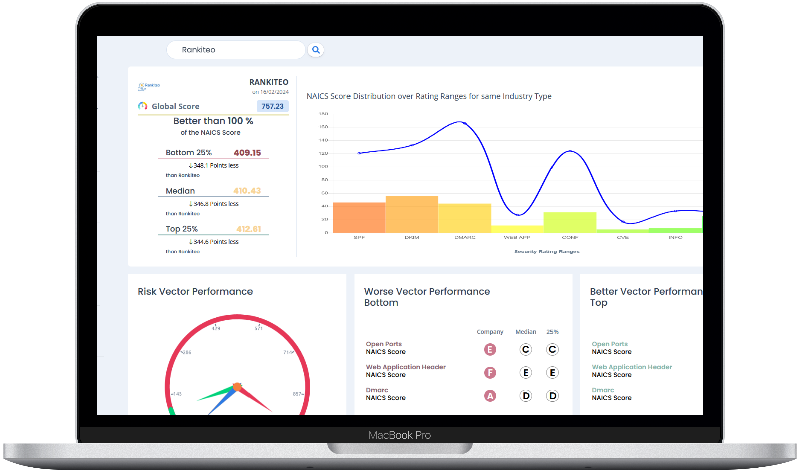
Every week, Rankiteo analyzes billions of signals to give organizations a sharper, faster view of emerging risks. With deeper, more actionable intelligence at their fingertips, security teams can outpace threat actors, respond instantly to Zero-Day attacks, and dramatically shrink their risk exposure window.
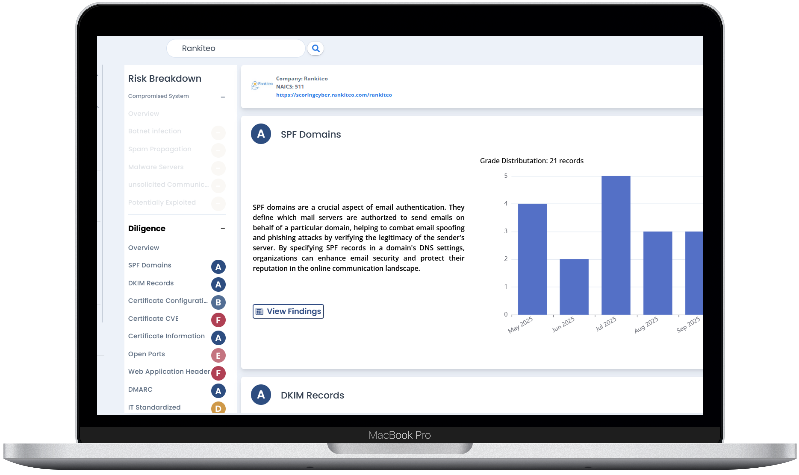
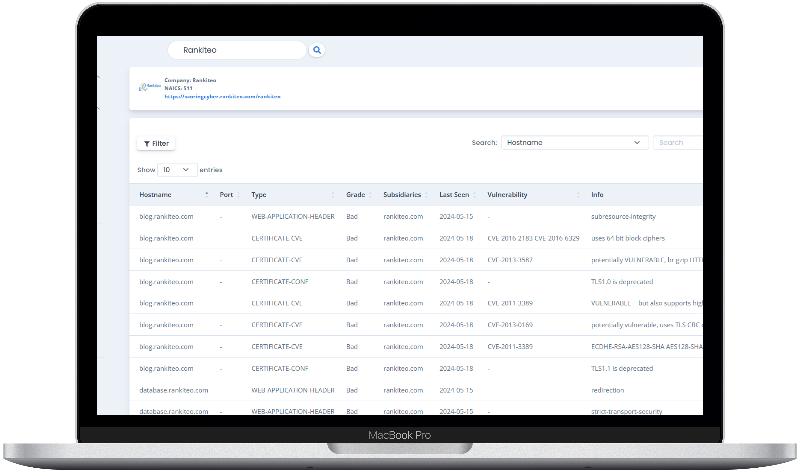
Identify exposed access points, detect misconfigured SSL certificates, and uncover vulnerabilities across the network infrastructure.
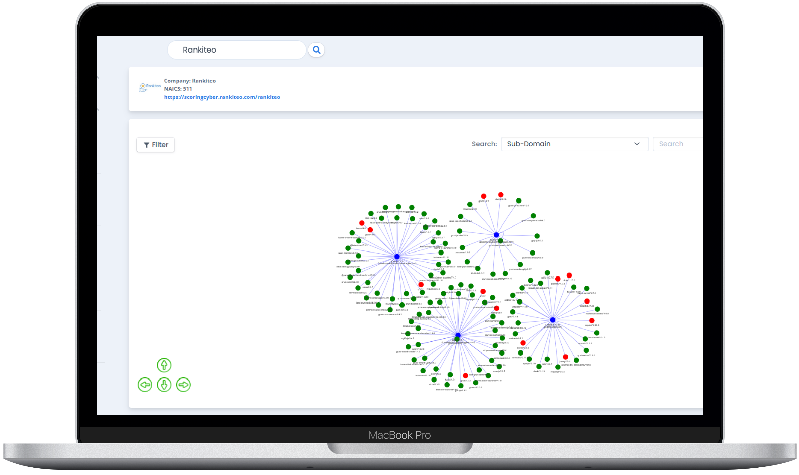
Gain visibility into the software components used within an organization to detect vulnerabilities, manage risk, and ensure supply chain security.
Monitor and manage all IT assets and their configurations to ensure accurate, real-time visibility across the company's technology environment.
Leverage real-time insights on active threats, malware campaigns, and emerging vulnerabilities to proactively defend against evolving cyberattacks.






 Rapid
Rapid