






Canva
Company Details
Linkedin ID:
canva
Website:
Employees number:
13,869
Number of followers:
2,217,254
NAICS:
5112
Industry Type:
Homepage:
canva.com
IP Addresses:
0
Company ID:
CAN_1761655
Scan Status:
In-progress

Canva Company CyberSecurity Posture
canva.com


We're a global online visual communications platform on a mission to empower the world to design. Featuring a simple drag-and-drop user interface and a vast range of templates ranging from presentations, documents, websites, social media graphics, posters, apparel to videos, plus a huge library of fonts, stock photography, illustrations, video footage, and audio clips, anyone can take an idea and create something beautiful on Canva on any device, from anywhere in the world. Since our launch in 2013, we’ve had the crazy big goal of making design accessible to everyone. We were founded on the belief that people shouldn't need to understand complex software to unlock their creativity. We’re leveling the playing field and democratizing access to design and visual communication by empowering 100% of the world to communicate in a way that was once limited to the 1%. We've always had a deeper mission surrounding Canva — which we talk about as our 'simple' two-step plan: to build one of the world’s most valuable companies, and to do the most good we possibly can. We're committed to our core value of Being a Force for Good, so as the value of our company grows, so too does our ability to have a positive impact on the world.
Company Details
canva
13,869
2,217,254
5112
canva.com
0
CAN_1761655
In-progress
 Canva Risk Score (AI oriented)
Between 600 and 649
 Canva Global Score (TPRM)
XXXX
Description: Canva experienced a critical security incident caused by a **leaked hardcoded secret**, leading to **days of downtime across multiple engineering teams**. The breach diverted critical resources—originally allocated for product development—toward incident containment and remediation. The exposed secret enabled potential lateral movement risks, though no large-scale data exfiltration was publicly confirmed. The financial and operational impact included **lost productivity, delayed projects, and reputational harm**, compounded by the strain on an already lean security team. The incident highlights the cascading effects of unmanaged credentials in modern DevOps environments, where a single exposed API key or token can disrupt core business functions. While no customer data leak was reported, the operational outage aligned with high-severity internal disruptions, reinforcing the cost of credential mismanagement in scaled-down organizations.
Description: A Chroma database operated by Russian AI chatbot startup My Jedai was found exposed online, leaking survey responses from over 500 Canva Creators. The exposed data included email addresses, feedback on Canva’s Creator Program, and personal insights into the experiences of designers across more than a dozen countries. The data exposure was discovered by cybersecurity firm UpGuard, which confirmed the database was publicly accessible and lacked authentication.
Description: In May 2019, Australian unicorn Canva experienced a substantial data breach, impacting 137 million users. A cybercriminal known as Gnosticplayers managed to breach Canva's security defenses but was detected by Canva's system monitoring for malicious activities. Despite the quick intervention, the hacker had already accessed a wealth of user data, including usernames, real names, email addresses, country of origin, encrypted passwords, and partial payment data. This breach was notable not only for its scale but also because the attacker chose to publicize the breach in a communication with ZDNet, diverging from the usual practice of keeping a low profile on dark web forums. Canva responded by notifying affected users, particularly those with decrypted passwords, advising them to change their passwords. Additionally, Canva reset passwords for users who hadn't updated theirs in the past six months, demonstrating the company's proactive stance on user security post-incident.


Canva has 244.83% more incidents than the average of same-industry companies with at least one recorded incident.
Canva has 159.74% more incidents than the average of all companies with at least one recorded incident.
Canva reported 2 incidents this year: 0 cyber attacks, 0 ransomware, 0 vulnerabilities, 2 data breaches, compared to industry peers with at least 1 incident.
Canva cyber incidents detection timeline including parent company and subsidiaries
We're a global online visual communications platform on a mission to empower the world to design. Featuring a simple drag-and-drop user interface and a vast range of templates ranging from presentations, documents, websites, social media graphics, posters, apparel to videos, plus a huge library of fonts, stock photography, illustrations, video footage, and audio clips, anyone can take an idea and create something beautiful on Canva on any device, from anywhere in the world. Since our launch in 2013, we’ve had the crazy big goal of making design accessible to everyone. We were founded on the belief that people shouldn't need to understand complex software to unlock their creativity. We’re leveling the playing field and democratizing access to design and visual communication by empowering 100% of the world to communicate in a way that was once limited to the 1%. We've always had a deeper mission surrounding Canva — which we talk about as our 'simple' two-step plan: to build one of the world’s most valuable companies, and to do the most good we possibly can. We're committed to our core value of Being a Force for Good, so as the value of our company grows, so too does our ability to have a positive impact on the world.


We're championing possibilities for all by making money fast, easy, and more enjoyable. Our hope is unlock opportunities for people in their everyday lives and empower the millions of people and businesses around the world who trust, rely, and use PayPal every day. For support, visit the PayPal He

At DoorDash, our mission to empower local economies shapes how our team members move quickly and always learn and reiterate to support merchants, Dashers and the communities we serve. We are a technology and logistics company that started with door-to-door delivery, and we are looking for team membe
Tencent is a world-leading internet and technology company that develops innovative products and services to improve the quality of life of people around the world. Founded in 1998 with its headquarters in Shenzhen, China, Tencent's guiding principle is to use technology for good. Our communication

[24]7.ai™ customer engagement solutions use conversational artificial intelligence to understand customer intent, enabling companies to create personalized, predictive, and effortless customer experiences across all channels; attract and retain customers; boost agent productivity and satisfaction; a

With our unique ability to offer end-to-end solutions that connect the three pillars of IoT - Sensors, Software, and Services, we enable businesses to move from the traditional to the digital, or improve businesses by introducing a digital element in their products and processes. Now more than ever

ServiceNow (NYSE: NOW) makes the world work better for everyone. Our cloud-based platform and solutions help digitize and unify organizations so that they can find smarter, faster, better ways to make work flow. So employees and customers can be more connected, more innovative, and more agile. And w

Broadcom Software modernizes, optimizes, and protects the world’s most complex hybrid environments. We are a global software leader delivering a comprehensive portfolio of industry-leading business-critical software enabling scalability, agility and security for the largest global companies in the w
Workday is a leading provider of enterprise cloud applications for finance and human resources, helping customers adapt and thrive in a changing world. Workday applications for financial management, human resources, planning, spend management, and analytics are built with artificial intelligence and

Thomson Reuters is the world’s leading provider of news and information-based tools to professionals. Our worldwide network of journalists and specialist editors keep customers up to speed on global developments, with a particular focus on legal, regulatory and tax changes. Our customers operat
.png)
Justin Fong argues that while the mercurial nature of humans is a strength in day-to-day work, this nature is exploited by cyber attackers...
100s of online services and websites, including X, ChatGPT, Canva among others experienced disruptions due to a significant outage at...
It was yesterday evening. Rahul's phone started behaving strangely. When he scrolled on X, it was just a blank screen.
The information came from a reputable French newspaper's report that cited a confidential security audit of the museum in 2014.
Turns out the best Canva alternative isn't a paid upgrade—it's open-source.
Market Master Vijay Kedia has just added two less known stocks to his portfolio, both of which have logged in triple digit compounded profit...
Chainguard CEO Dan Lorenc. (Chainguard Photo). Seattle-area cybersecurity startup Chainguard landed $280 million in new financing,...
Insight Enterprises, a global solutions integrator, announced that its subsidiary, Insight Enterprises Australia Pty Limited,...
Key takeaways: • A massive outage at Amazon Web Services (AWS) on October 20, 2025 knocked out hundreds of websites and apps globally.

Explore insights on cybersecurity incidents, risk posture, and Rankiteo's assessments.
The official website of Canva is http://www.canva.com.
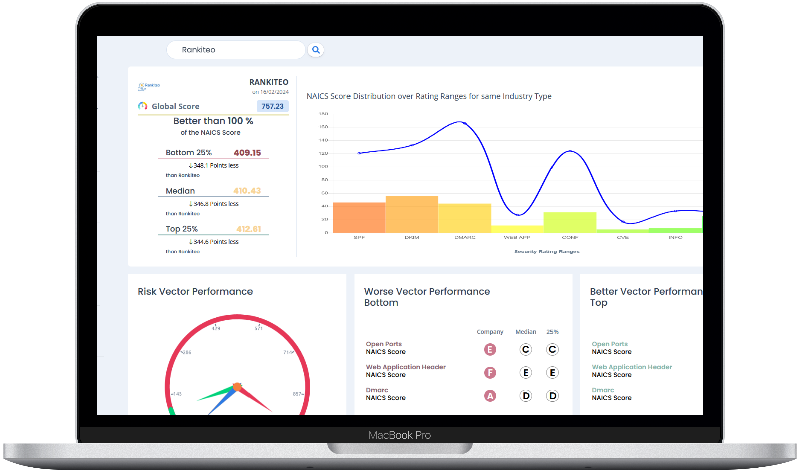
According to Rankiteo, Canva’s AI-generated cybersecurity score is 627, reflecting their Poor security posture.
According to Rankiteo, Canva currently holds 0 security badges, indicating that no recognized compliance certifications are currently verified for the organization.
According to Rankiteo, Canva is not certified under SOC 2 Type 1.
According to Rankiteo, Canva does not hold a SOC 2 Type 2 certification.
According to Rankiteo, Canva is not listed as GDPR compliant.
According to Rankiteo, Canva does not currently maintain PCI DSS compliance.
According to Rankiteo, Canva is not compliant with HIPAA regulations.
According to Rankiteo,Canva is not certified under ISO 27001, indicating the absence of a formally recognized information security management framework.
Canva operates primarily in the Software Development industry.
Canva employs approximately 13,869 people worldwide.
Canva presently has no subsidiaries across any sectors.
Canva’s official LinkedIn profile has approximately 2,217,254 followers.
Canva is classified under the NAICS code 5112, which corresponds to Software Publishers.
Yes, Canva has an official profile on Crunchbase, which can be accessed here: https://www.crunchbase.com/organization/canva.
Yes, Canva maintains an official LinkedIn profile, which is actively utilized for branding and talent engagement, which can be accessed here: https://www.linkedin.com/company/canva.
As of December 11, 2025, Rankiteo reports that Canva has experienced 3 cybersecurity incidents.
Canva has an estimated 27,532 peer or competitor companies worldwide.
Incident Types: The types of cybersecurity incidents that have occurred include Breach.
Total Financial Loss: The total financial loss from these incidents is estimated to be $10.22 million.
Detection and Response: The company detects and responds to cybersecurity incidents through an remediation measures with password reset for users with decrypted passwords, remediation measures with password reset for users who hadn't updated theirs in the past six months, and communication strategy with notifying affected users, communication strategy with advising users to change their passwords, and containment measures with secured the exposed database, and communication strategy with notified affected creators, communication strategy with notified regulators, and third party assistance with gitguardian (secrets detection/remediation), third party assistance with hashicorp (research on credential-based breaches), and containment measures with proactive scanning for hardcoded secrets, containment measures with automated secret revocation, containment measures with contextual ownership assignment, and remediation measures with workflow-integrated remediation (e.g., pr fixes in version control), remediation measures with automated credential rotation, remediation measures with precision targeting of exposed secrets, and recovery measures with reduction of manual investigation time ($936k annual savings), recovery measures with elimination of false positives ($500k annual savings), and enhanced monitoring with real-time remediation tracking, enhanced monitoring with threat scope analysis for exposed secrets..
Title: Canva Data Breach
Description: In May 2019, Australian unicorn Canva experienced a substantial data breach, impacting 137 million users. A cybercriminal known as Gnosticplayers managed to breach Canva's security defenses but was detected by Canva's system monitoring for malicious activities. Despite the quick intervention, the hacker had already accessed a wealth of user data, including usernames, real names, email addresses, country of origin, encrypted passwords, and partial payment data. This breach was notable not only for its scale but also because the attacker chose to publicize the breach in a communication with ZDNet, diverging from the usual practice of keeping a low profile on dark web forums. Canva responded by notifying affected users, particularly those with decrypted passwords, advising them to change their passwords. Additionally, Canva reset passwords for users who hadn't updated theirs in the past six months, demonstrating the company's proactive stance on user security post-incident.
Date Detected: May 2019
Date Publicly Disclosed: May 2019
Type: Data Breach
Threat Actor: Gnosticplayers
Title: Chroma Database Exposure at My Jedai
Description: A Chroma database operated by Russian AI chatbot startup My Jedai was found exposed online, leaking survey responses from over 500 Canva Creators.
Type: Data Exposure
Attack Vector: Unsecured Database
Vulnerability Exploited: Lack of Authentication
Title: Hardcoded Secrets Crisis and Workforce Reduction Impact on Cybersecurity
Description: The credential crisis is escalating as companies like Wells Fargo, Bank of America, and Verizon reduce their workforces by up to 23% over five years, leaving security teams understaffed and overburdened. Hardcoded secrets—such as API keys, tokens, and credentials embedded in code repositories, CI/CD pipelines, Slack, Jira, and collaboration platforms—pose a critical blind spot. IBM research shows 86% of breaches involve stolen or compromised credentials, with an average containment time of 292 days. Financial impacts are severe, with U.S. breach costs reaching $10.22 million (or over $11 million when hardcoded secrets are involved). Manual secrets management wastes $1.4 million annually per organization, while incidents like Canva’s leaked secret caused multi-day downtime. The s1ngularity attack demonstrated cascading risks: a GitHub token theft led to 2,349 compromised credentials and exposed 82,901 secrets across 10,000 private repositories. Lean teams exacerbate risks by prolonging remediation times, increasing context-switching overhead, and amplifying the impact of single exposed secrets (e.g., enabling lateral movement, supply chain attacks, or ransomware). Strategic responses include proactive detection, clear ownership assignment, workflow-integrated remediation, and automated revocation to cut remediation time from weeks to hours.
Type: Credential Theft
Attack Vector: Compromised CredentialsHardcoded Secrets in Code/RepositoriesGitHub Action Token TheftLateral Movement via Exposed API Keys
Vulnerability Exploited: Hardcoded Secrets in Code RepositoriesUnmanaged Secrets in CI/CD PipelinesLack of Automated Secrets RotationInsufficient Access Controls for High-Risk Secrets
Motivation: Financial Gain (via Ransomware/Extortion)Data Exfiltration for Dark Web SalesSupply Chain Disruption
Common Attack Types: The most common types of attacks the company has faced is Breach.
Identification of Attack Vectors: The company identifies the attack vectors used in incidents through Compromised GitHub Action tokensHardcoded secrets in public/private repositories.

Data Compromised: Usernames, Real names, Email addresses, Country of origin, Encrypted passwords, Partial payment data

Data Compromised: Email addresses, Survey responses
Systems Affected: Chroma Database
Financial Loss: $10.22 million (avg. U.S. breach cost); $11+ million with hardcoded secrets; $1.4 million annual waste on manual secrets management
Data Compromised: Api keys, Tokens, Production access credentials, Github actions tokens, Nx package credentials
Systems Affected: Code Repositories (GitHub, etc.)CI/CD PipelinesSlack/Jira/Collaboration PlatformsPrivate Repositories (82,901 exposed)Production Environments
Downtime: ['Multi-day outages (e.g., Canva)', 'Engineering resource diversion from product development']
Operational Impact: Prolonged mean-time-to-remediate (292 days avg.)Context-switching overhead for lean teamsMulti-team coordination delays for secrets remediation
Brand Reputation Impact: Erosion of trust due to preventable breachesNegative perception of 'lean operations' prioritizing cost-cutting over security
Legal Liabilities: Regulatory fines (driving breach costs to $10.22M)Potential lawsuits from exposed PII or sensitive data
Identity Theft Risk: ['High (via exposed PII or credentials)', '82,901 secrets exposed in s1ngularity attack']
Average Financial Loss: The average financial loss per incident is $3.41 million.
Commonly Compromised Data Types: The types of data most commonly compromised in incidents are Usernames, Real Names, Email Addresses, Country Of Origin, Encrypted Passwords, Partial Payment Data, , Email Addresses, Survey Responses, , Api Keys, Tokens, Github Actions Secrets, Production Access Credentials, Nx Package Credentials and .
Entity Name: Canva
Entity Type: Company
Industry: Technology
Location: Australia
Customers Affected: 137000000
Entity Name: Canva
Entity Type: Company
Industry: Design Platform
Location: Australia
Customers Affected: 571
Entity Name: My Jedai
Entity Type: Company
Industry: AI Chatbot Services
Location: Russia
Size: Microenterprise
Entity Name: Wells Fargo
Entity Type: Financial Services
Industry: Banking
Location: United States
Size: Large (23% workforce reduction over 5 years)
Entity Name: Bank of America
Entity Type: Financial Services
Industry: Banking
Location: United States
Size: Large (88,000 employees cut since 2010)
Entity Name: Verizon
Entity Type: Telecommunications
Industry: Tech/Telecom
Location: United States
Size: Large (ongoing headcount reductions)
Entity Name: Canva
Entity Type: Technology
Industry: Software/Design
Location: Global
Customers Affected: Multiple teams (downtime impact)
Entity Name: Nx (Nrwl)
Entity Type: Technology
Industry: Software Development
Location: Global
Entity Name: GitHub (s1ngularity attack)
Entity Type: Technology
Industry: Version Control/DevOps
Location: Global
Customers Affected: 10,000+ private repositories exposed
Remediation Measures: password reset for users with decrypted passwordspassword reset for users who hadn't updated theirs in the past six months
Communication Strategy: notifying affected usersadvising users to change their passwords
Containment Measures: Secured the exposed database
Communication Strategy: Notified affected CreatorsNotified regulators
Third Party Assistance: Gitguardian (Secrets Detection/Remediation), Hashicorp (Research On Credential-Based Breaches).
Containment Measures: Proactive scanning for hardcoded secretsAutomated secret revocationContextual ownership assignment
Remediation Measures: Workflow-integrated remediation (e.g., PR fixes in version control)Automated credential rotationPrecision targeting of exposed secrets
Recovery Measures: Reduction of manual investigation time ($936K annual savings)Elimination of false positives ($500K annual savings)
Enhanced Monitoring: Real-time remediation trackingThreat scope analysis for exposed secrets
Third-Party Assistance: The company involves third-party assistance in incident response through GitGuardian (secrets detection/remediation), HashiCorp (research on credential-based breaches), .
Type of Data Compromised: Usernames, Real names, Email addresses, Country of origin, Encrypted passwords, Partial payment data
Number of Records Exposed: 137000000
Personally Identifiable Information: usernamesreal namesemail addressescountry of origin
Type of Data Compromised: Email addresses, Survey responses
Number of Records Exposed: 571
Sensitivity of Data: Moderate
Type of Data Compromised: Api keys, Tokens, Github actions secrets, Production access credentials, Nx package credentials
Number of Records Exposed: 82,901 (s1ngularity attack); 2,349 (initial Nx compromise)
Sensitivity of Data: High (40% of secrets provide direct production access)
Data Exfiltration: Credentials sold on dark web (potential)Private repository exposure
File Types Exposed: Code repositoriesCI/CD configuration filesCollaboration platform logs
Personally Identifiable Information: Potential (via exposed credentials)
Prevention of Data Exfiltration: The company takes the following measures to prevent data exfiltration: password reset for users with decrypted passwords, password reset for users who hadn't updated theirs in the past six months, , Workflow-integrated remediation (e.g., PR fixes in version control), Automated credential rotation, Precision targeting of exposed secrets, .
Handling of PII Incidents: The company handles incidents involving personally identifiable information (PII) through by secured the exposed database, , proactive scanning for hardcoded secrets, automated secret revocation, contextual ownership assignment and .
Data Exfiltration: ['Possible (via lateral movement from exposed secrets)']
Data Recovery from Ransomware: The company recovers data encrypted by ransomware through Reduction of manual investigation time ($936K annual savings), Elimination of false positives ($500K annual savings), .
Fines Imposed: Contributed to $10.22M avg. breach cost (U.S.)
Lessons Learned: The incident highlights the need for proper configuration and security measures when using AI technologies to prevent data exposure.
Lessons Learned: Workforce reductions amplify cybersecurity risks by stretching lean teams and prolonging remediation times., Hardcoded secrets in code repositories/CI/CD pipelines are a critical blind spot, enabling cascading supply chain attacks., Manual secrets management is unsustainable, wasting $1.4M annually and delaying incident response., Detection alone is insufficient; remediation requires contextual ownership, infrastructure awareness, and workflow integration., Automated tools (e.g., GitGuardian) can reduce remediation time from weeks to hours by pinpointing exposed secrets and assigning ownership.
Recommendations: Implement **proactive scanning** for hardcoded secrets during code commits and in existing repositories., Assign **clear ownership** for each secret to eliminate remediation delays., Integrate remediation workflows into **developer tools** (e.g., automated PR fixes) to reduce context-switching., Prioritize **high-risk secrets** (40% of exposed credentials provide production access)., Adopt **automated credential rotation** to mitigate the impact of leaked secrets., Shift from reactive firefighting to **precision remediation** with contextual threat scope analysis., Quantify the **ROI of smart remediation** (e.g., $1.4M annual savings from reduced manual effort)., Advocate for **security resource alignment** with AI-driven efficiency initiatives to avoid critical gaps.Implement **proactive scanning** for hardcoded secrets during code commits and in existing repositories., Assign **clear ownership** for each secret to eliminate remediation delays., Integrate remediation workflows into **developer tools** (e.g., automated PR fixes) to reduce context-switching., Prioritize **high-risk secrets** (40% of exposed credentials provide production access)., Adopt **automated credential rotation** to mitigate the impact of leaked secrets., Shift from reactive firefighting to **precision remediation** with contextual threat scope analysis., Quantify the **ROI of smart remediation** (e.g., $1.4M annual savings from reduced manual effort)., Advocate for **security resource alignment** with AI-driven efficiency initiatives to avoid critical gaps.Implement **proactive scanning** for hardcoded secrets during code commits and in existing repositories., Assign **clear ownership** for each secret to eliminate remediation delays., Integrate remediation workflows into **developer tools** (e.g., automated PR fixes) to reduce context-switching., Prioritize **high-risk secrets** (40% of exposed credentials provide production access)., Adopt **automated credential rotation** to mitigate the impact of leaked secrets., Shift from reactive firefighting to **precision remediation** with contextual threat scope analysis., Quantify the **ROI of smart remediation** (e.g., $1.4M annual savings from reduced manual effort)., Advocate for **security resource alignment** with AI-driven efficiency initiatives to avoid critical gaps.Implement **proactive scanning** for hardcoded secrets during code commits and in existing repositories., Assign **clear ownership** for each secret to eliminate remediation delays., Integrate remediation workflows into **developer tools** (e.g., automated PR fixes) to reduce context-switching., Prioritize **high-risk secrets** (40% of exposed credentials provide production access)., Adopt **automated credential rotation** to mitigate the impact of leaked secrets., Shift from reactive firefighting to **precision remediation** with contextual threat scope analysis., Quantify the **ROI of smart remediation** (e.g., $1.4M annual savings from reduced manual effort)., Advocate for **security resource alignment** with AI-driven efficiency initiatives to avoid critical gaps.Implement **proactive scanning** for hardcoded secrets during code commits and in existing repositories., Assign **clear ownership** for each secret to eliminate remediation delays., Integrate remediation workflows into **developer tools** (e.g., automated PR fixes) to reduce context-switching., Prioritize **high-risk secrets** (40% of exposed credentials provide production access)., Adopt **automated credential rotation** to mitigate the impact of leaked secrets., Shift from reactive firefighting to **precision remediation** with contextual threat scope analysis., Quantify the **ROI of smart remediation** (e.g., $1.4M annual savings from reduced manual effort)., Advocate for **security resource alignment** with AI-driven efficiency initiatives to avoid critical gaps.Implement **proactive scanning** for hardcoded secrets during code commits and in existing repositories., Assign **clear ownership** for each secret to eliminate remediation delays., Integrate remediation workflows into **developer tools** (e.g., automated PR fixes) to reduce context-switching., Prioritize **high-risk secrets** (40% of exposed credentials provide production access)., Adopt **automated credential rotation** to mitigate the impact of leaked secrets., Shift from reactive firefighting to **precision remediation** with contextual threat scope analysis., Quantify the **ROI of smart remediation** (e.g., $1.4M annual savings from reduced manual effort)., Advocate for **security resource alignment** with AI-driven efficiency initiatives to avoid critical gaps.Implement **proactive scanning** for hardcoded secrets during code commits and in existing repositories., Assign **clear ownership** for each secret to eliminate remediation delays., Integrate remediation workflows into **developer tools** (e.g., automated PR fixes) to reduce context-switching., Prioritize **high-risk secrets** (40% of exposed credentials provide production access)., Adopt **automated credential rotation** to mitigate the impact of leaked secrets., Shift from reactive firefighting to **precision remediation** with contextual threat scope analysis., Quantify the **ROI of smart remediation** (e.g., $1.4M annual savings from reduced manual effort)., Advocate for **security resource alignment** with AI-driven efficiency initiatives to avoid critical gaps.Implement **proactive scanning** for hardcoded secrets during code commits and in existing repositories., Assign **clear ownership** for each secret to eliminate remediation delays., Integrate remediation workflows into **developer tools** (e.g., automated PR fixes) to reduce context-switching., Prioritize **high-risk secrets** (40% of exposed credentials provide production access)., Adopt **automated credential rotation** to mitigate the impact of leaked secrets., Shift from reactive firefighting to **precision remediation** with contextual threat scope analysis., Quantify the **ROI of smart remediation** (e.g., $1.4M annual savings from reduced manual effort)., Advocate for **security resource alignment** with AI-driven efficiency initiatives to avoid critical gaps.
Key Lessons Learned: The key lessons learned from past incidents are The incident highlights the need for proper configuration and security measures when using AI technologies to prevent data exposure.Workforce reductions amplify cybersecurity risks by stretching lean teams and prolonging remediation times.,Hardcoded secrets in code repositories/CI/CD pipelines are a critical blind spot, enabling cascading supply chain attacks.,Manual secrets management is unsustainable, wasting $1.4M annually and delaying incident response.,Detection alone is insufficient; remediation requires contextual ownership, infrastructure awareness, and workflow integration.,Automated tools (e.g., GitGuardian) can reduce remediation time from weeks to hours by pinpointing exposed secrets and assigning ownership.
Source: ZDNet
Source: UpGuard
Source: IBM Security Cost of a Data Breach Report
Source: HashiCorp State of Cloud Strategy Survey
Source: GitGuardian Secrets Detection Research
Source: s1ngularity Attack Postmortem (GitHub Advisory)
Source: Canva Incident Downtime Report
Additional Resources: Stakeholders can find additional resources on cybersecurity best practices at and Source: ZDNet, and Source: UpGuard, and Source: IBM Security Cost of a Data Breach ReportUrl: https://www.ibm.com/reports/data-breach, and Source: HashiCorp State of Cloud Strategy SurveyUrl: https://www.hashicorp.com/resources, and Source: GitGuardian Secrets Detection ResearchUrl: https://www.gitguardian.com/resources, and Source: s1ngularity Attack Postmortem (GitHub Advisory)Url: https://github.com/advisories, and Source: Canva Incident Downtime Report.
Investigation Status: Ongoing (industry-wide trend analysis)
Communication of Investigation Status: The company communicates the status of incident investigations to stakeholders through Notifying Affected Users, Advising Users To Change Their Passwords, Notified Affected Creators and Notified Regulators.
Stakeholder Advisories: Cisos: Advocate For Secrets Management Tools To Offset Lean Team Risks., Developers: Adopt Workflow-Integrated Remediation To Reduce Overhead., Executives: Balance 'Doing More With Less' With Cybersecurity Resource Allocation..
Customer Advisories: Monitor for notifications from affected platforms (e.g., GitHub, Canva).Rotate credentials if potentially exposed in supply chain incidents.
Advisories Provided: The company provides the following advisories to stakeholders and customers following an incident: were Cisos: Advocate For Secrets Management Tools To Offset Lean Team Risks., Developers: Adopt Workflow-Integrated Remediation To Reduce Overhead., Executives: Balance 'Doing More With Less' With Cybersecurity Resource Allocation., Monitor For Notifications From Affected Platforms (E.G., Github, Canva)., Rotate Credentials If Potentially Exposed In Supply Chain Incidents. and .
Entry Point: Compromised Github Action Tokens, Hardcoded Secrets In Public/Private Repositories,
Backdoors Established: ['Lateral movement via exposed API keys', 'Supply chain compromise (e.g., Nx packages)']
High Value Targets: Production Environments, Ci/Cd Pipelines, Private Repositories,
Data Sold on Dark Web: Production Environments, Ci/Cd Pipelines, Private Repositories,
Root Causes: Lack of authentication and proper configuration of the Chroma database
Root Causes: Underinvestment In Secrets Management Amid Workforce Reductions., Overreliance On Manual Processes For Credential Rotation/Exposure Investigation., Lack Of Contextual Ownership For Remediation (Multi-Team Coordination Delays)., Proliferation Of Unmanaged Secrets Across Collaboration Platforms (Slack, Jira)., False Positives Overwhelming Security Teams ($500K Annual Cost).,
Corrective Actions: Deploy **Automated Secrets Detection/Remediation Platforms** (E.G., Gitguardian)., Embed Remediation Guidance Into **Developer Workflows** (E.G., Ide Plugins, Pr Comments)., Establish **Cross-Team Playbooks** For High-Risk Secret Incidents., Prioritize **Preventive Scanning** In Ci/Cd Pipelines To Block Secrets At Commit., Measure And Report **Cost Savings** From Reduced Manual Effort ($1.4M/Year Potential).,
Post-Incident Analysis Process: The company's process for conducting post-incident analysis is described as Gitguardian (Secrets Detection/Remediation), Hashicorp (Research On Credential-Based Breaches), , Real-Time Remediation Tracking, Threat Scope Analysis For Exposed Secrets, .
Corrective Actions Taken: The company has taken the following corrective actions based on post-incident analysis: Deploy **Automated Secrets Detection/Remediation Platforms** (E.G., Gitguardian)., Embed Remediation Guidance Into **Developer Workflows** (E.G., Ide Plugins, Pr Comments)., Establish **Cross-Team Playbooks** For High-Risk Secret Incidents., Prioritize **Preventive Scanning** In Ci/Cd Pipelines To Block Secrets At Commit., Measure And Report **Cost Savings** From Reduced Manual Effort ($1.4M/Year Potential)., .
Last Attacking Group: The attacking group in the last incident was an Gnosticplayers.
Most Recent Incident Detected: The most recent incident detected was on May 2019.
Most Recent Incident Publicly Disclosed: The most recent incident publicly disclosed was on May 2019.
Highest Financial Loss: The highest financial loss from an incident was $10.22 million (avg. U.S. breach cost); $11+ million with hardcoded secrets; $1.4 million annual waste on manual secrets management.
Most Significant Data Compromised: The most significant data compromised in an incident were usernames, real names, email addresses, country of origin, encrypted passwords, partial payment data, , Email addresses, Survey responses, , API Keys, Tokens, Production Access Credentials, GitHub Actions Tokens, Nx Package Credentials and .
Most Significant System Affected: The most significant system affected in an incident were Chroma Database and Code Repositories (GitHub, etc.)CI/CD PipelinesSlack/Jira/Collaboration PlatformsPrivate Repositories (82,901 exposed)Production Environments.
Third-Party Assistance in Most Recent Incident: The third-party assistance involved in the most recent incident was gitguardian (secrets detection/remediation), hashicorp (research on credential-based breaches), .
Containment Measures in Most Recent Incident: The containment measures taken in the most recent incident were Secured the exposed database and Proactive scanning for hardcoded secretsAutomated secret revocationContextual ownership assignment.
Most Sensitive Data Compromised: The most sensitive data compromised in a breach were usernames, encrypted passwords, Production Access Credentials, Survey responses, Email addresses, API Keys, partial payment data, real names, GitHub Actions Tokens, email addresses, Nx Package Credentials, Tokens and country of origin.
Number of Records Exposed in Most Significant Breach: The number of records exposed in the most significant breach was 86.0K.
Highest Fine Imposed: The highest fine imposed for a regulatory violation was Contributed to $10.22M avg. breach cost (U.S.).
Most Significant Lesson Learned: The most significant lesson learned from past incidents was Automated tools (e.g., GitGuardian) can reduce remediation time from weeks to hours by pinpointing exposed secrets and assigning ownership.
Most Significant Recommendation Implemented: The most significant recommendation implemented to improve cybersecurity was Implement **proactive scanning** for hardcoded secrets during code commits and in existing repositories., Integrate remediation workflows into **developer tools** (e.g., automated PR fixes) to reduce context-switching., Assign **clear ownership** for each secret to eliminate remediation delays., Quantify the **ROI of smart remediation** (e.g., $1.4M annual savings from reduced manual effort)., Prioritize **high-risk secrets** (40% of exposed credentials provide production access)., Adopt **automated credential rotation** to mitigate the impact of leaked secrets., Advocate for **security resource alignment** with AI-driven efficiency initiatives to avoid critical gaps. and Shift from reactive firefighting to **precision remediation** with contextual threat scope analysis..
Most Recent Source: The most recent source of information about an incident are ZDNet, s1ngularity Attack Postmortem (GitHub Advisory), HashiCorp State of Cloud Strategy Survey, Canva Incident Downtime Report, GitGuardian Secrets Detection Research, IBM Security Cost of a Data Breach Report and UpGuard.
Most Recent URL for Additional Resources: The most recent URL for additional resources on cybersecurity best practices is https://www.ibm.com/reports/data-breach, https://www.hashicorp.com/resources, https://www.gitguardian.com/resources, https://github.com/advisories .
Current Status of Most Recent Investigation: The current status of the most recent investigation is Ongoing (industry-wide trend analysis).
Most Recent Stakeholder Advisory: The most recent stakeholder advisory issued was CISOs: Advocate for secrets management tools to offset lean team risks., Developers: Adopt workflow-integrated remediation to reduce overhead., Executives: Balance 'doing more with less' with cybersecurity resource allocation., .
Most Recent Customer Advisory: The most recent customer advisory issued were an Monitor for notifications from affected platforms (e.g., GitHub and Canva).Rotate credentials if potentially exposed in supply chain incidents.
Most Significant Root Cause: The most significant root cause identified in post-incident analysis was Lack of authentication and proper configuration of the Chroma database, Underinvestment in secrets management amid workforce reductions.Overreliance on manual processes for credential rotation/exposure investigation.Lack of contextual ownership for remediation (multi-team coordination delays).Proliferation of unmanaged secrets across collaboration platforms (Slack, Jira).False positives overwhelming security teams ($500K annual cost)..
Most Significant Corrective Action: The most significant corrective action taken based on post-incident analysis was Deploy **automated secrets detection/remediation platforms** (e.g., GitGuardian).Embed remediation guidance into **developer workflows** (e.g., IDE plugins, PR comments).Establish **cross-team playbooks** for high-risk secret incidents.Prioritize **preventive scanning** in CI/CD pipelines to block secrets at commit.Measure and report **cost savings** from reduced manual effort ($1.4M/year potential)..
.png)
FreePBX Endpoint Manager is a module for managing telephony endpoints in FreePBX systems. Versions prior to 16.0.96 and 17.0.1 through 17.0.9 have a weak default password. By default, this is a 6 digit numeric value which can be brute forced. (This is the app_password parameter). Depending on local configuration, this password could be the extension, voicemail, user manager, DPMA or EPM phone admin password. This issue is fixed in versions 16.0.96 and 17.0.10.
Neuron is a PHP framework for creating and orchestrating AI Agents. In versions 2.8.11 and below, the MySQLWriteTool executes arbitrary SQL provided by the caller using PDO::prepare() + execute() without semantic restrictions. This is consistent with the name (“write tool”), but in an LLM/agent context it becomes a high-risk capability: prompt injection or indirect prompt manipulation can cause execution of destructive queries such as DROP TABLE, TRUNCATE, DELETE, ALTER, or privilege-related statements (subject to DB permissions). Deployments that expose an agent with MySQLWriteTool enabled to untrusted input and/or run the tool with a DB user that has broad privileges are impacted. This issue is fixed in version 2.8.12.
Neuron is a PHP framework for creating and orchestrating AI Agents. Versions 2.8.11 and below use MySQLSelectTool, which is vulnerable to Read-Only Bypass. MySQLSelectTool is intended to be a read-only SQL tool (e.g., for LLM agent querying, however, validation based on the first keyword (e.g., SELECT) and a forbidden-keyword list does not block file-writing constructs such as INTO OUTFILE / INTO DUMPFILE. As a result, an attacker who can influence the tool input (e.g., via prompt injection through a public agent endpoint) may write arbitrary files to the DB server if the MySQL/MariaDB account has the FILE privilege and server configuration permits writes to a useful location (e.g., a web-accessible directory). This issue is fixed in version 2.8.12.
Okta Java Management SDK facilitates interactions with the Okta management API. In versions 11.0.0 through 20.0.0, race conditions may arise from concurrent requests using the ApiClient class. This could cause a status code or response header from one request’s response to influence another request’s response. This issue is fixed in version 20.0.1.
The Auth0 Next.js SDK is a library for implementing user authentication in Next.js applications. When using versions 4.11.0 through 4.11.2 and 4.12.0, simultaneous requests on the same client may result in improper lookups in the TokenRequestCache for the request results. This issue is fixed in versions 4.11.2 and 4.12.1.

Get company history

Every week, Rankiteo analyzes billions of signals to give organizations a sharper, faster view of emerging risks. With deeper, more actionable intelligence at their fingertips, security teams can outpace threat actors, respond instantly to Zero-Day attacks, and dramatically shrink their risk exposure window.
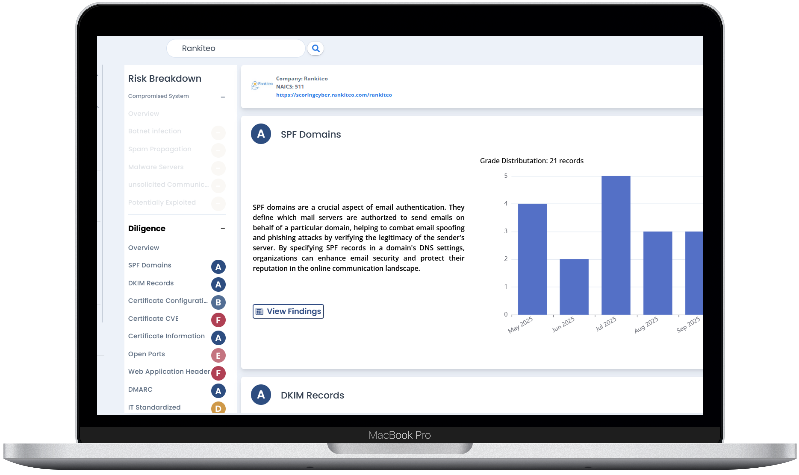
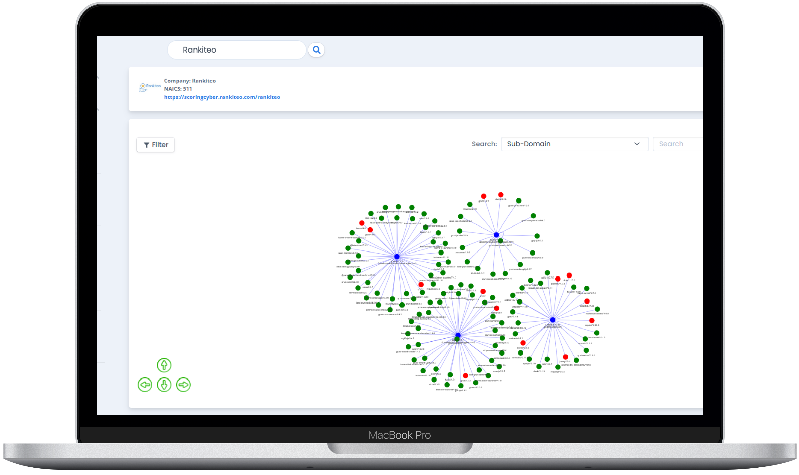
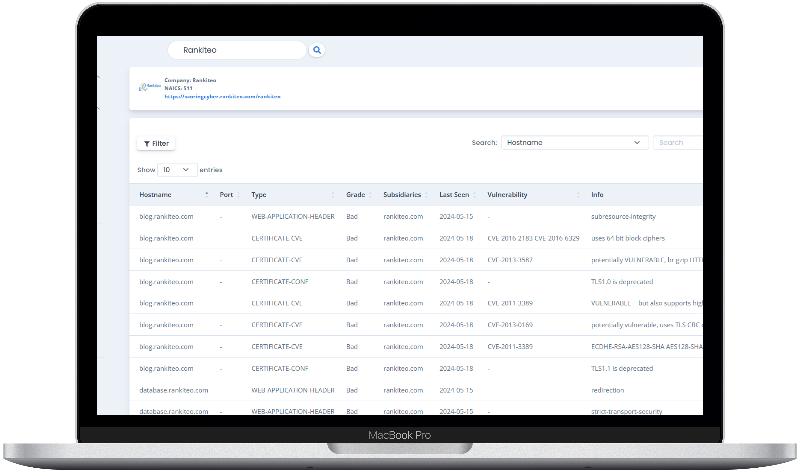
Identify exposed access points, detect misconfigured SSL certificates, and uncover vulnerabilities across the network infrastructure.
Gain visibility into the software components used within an organization to detect vulnerabilities, manage risk, and ensure supply chain security.
Monitor and manage all IT assets and their configurations to ensure accurate, real-time visibility across the company's technology environment.
Leverage real-time insights on active threats, malware campaigns, and emerging vulnerabilities to proactively defend against evolving cyberattacks.






 Rapid
Rapid