






Ascension
Company Details
Linkedin ID:
ascensionorg
Website:
Employees number:
66,110
Number of followers:
285,431
NAICS:
62
Industry Type:
Homepage:
ascension.org
IP Addresses:
858
Company ID:
ASC_1647020
Scan Status:
Completed
Ascension Company CyberSecurity Posture
ascension.org


Answering God's call to bring health, healing and hope to all. Ascension is one of the nation’s leading non-profit and Catholic health systems, with a Mission of delivering compassionate, personalized care to all, with special attention to those most vulnerable. In FY2025, Ascension provided $1.7 billion in care of persons living in poverty and other community benefit programs along with $1.8 billion of unreimbursed care for Medicare patients. Across 16 states and the District of Columbia, Ascension’s network encompasses approximately 99,000 associates, 22,300 aligned providers, 95 wholly owned or consolidated hospitals, and ownership interests in 26 additional hospitals through partnerships. Ascension also operates 30 senior living facilities and a variety of other care sites offering a range of healthcare services.
Company Details
ascensionorg
66,110
285,431
62
ascension.org
858
ASC_1647020
Completed
 Ascension Risk Score (AI oriented)
Between 0 and 549
 Ascension Global Score (TPRM)
XXXX
Description: Ascension Michigan notifies some of its patients of a data breach that happened between Oct. 15, 2015, and Sept. 8, 2021. It noticed suspicious activity in its electronic health record and upon investigation found that an unauthorized individual accessed its patient information. The compromised information included full name, date of birth, address(es), email address(es), phone number(s), health insurance information, health insurance identification number and medical records, Social Security numbers. The Ascension Michigan offered free credit and identity theft protection-monitoring services to the affected patients.
Description: Ascension, one of the largest private healthcare systems in the United States, experienced a data breach that exposed the personal and healthcare information of over 430,000 patients. The incident, disclosed in April, involved a data theft attack impacting a former business partner in December. Attackers accessed personal health information related to inpatient visits, including physician names, admission and discharge dates, diagnosis and billing codes, medical record numbers, and insurance company names. Personal information such as names, addresses, phone numbers, email addresses, dates of birth, race, gender, and Social Security numbers were also compromised. The breach was linked to a vulnerability in third-party software used by the former business partner, likely part of widespread Clop ransomware attacks.
Description: On December 19, 2024, the Washington State Office of the Attorney General disclosed a **ransomware attack** targeting **Ascension Health**, initially detected on **May 8, 2024**. The breach compromised the personal data of **5,787 Washington residents**, exposing highly sensitive information, including **Social Security numbers (SSNs) and medical records**. The attack posed severe risks to affected individuals, as exposed SSNs and medical data can facilitate **identity theft, financial fraud, and targeted phishing scams**. Given the nature of the stolen data—health records in particular—the breach also raised concerns about **long-term privacy violations, potential blackmail, and misuse of medical histories**. Ascension Health, a major healthcare provider, faced **reputational damage, regulatory scrutiny, and potential legal liabilities** due to the failure to prevent the attack. The incident underscored vulnerabilities in healthcare cybersecurity, where ransomware groups increasingly target **critical patient data** for extortion. The exposure of such information not only harms individuals but also erodes trust in the organization’s ability to safeguard confidential records. Recovery efforts likely involved **forensic investigations, notification processes, credit monitoring for victims, and system reinforcements** to mitigate future threats.
Description: In February 2024, Ascension, a major healthcare provider, suffered a devastating **ransomware attack** initiated when a contractor clicked a phishing link via Microsoft Bing and Edge. The attack exploited **Kerberoasting**, leveraging Microsoft’s outdated **RC4 encryption** (a 1980s protocol long deemed insecure) to gain administrative privileges through **Active Directory**. Hackers then deployed ransomware across **thousands of systems**, compromising **personal data, medical records, payment/insurance details, and government IDs of over 5.6 million patients**. The breach disrupted hospital operations, delayed critical treatments, and exposed systemic vulnerabilities tied to Microsoft’s default security configurations—including weak password policies for privileged accounts. Despite repeated warnings from **CISA, FBI, and NSA** about RC4 and Kerberoasting risks (notably by state actors like Iran), Microsoft had yet to disable RC4 by default, prolonging exposure. Ascension’s incident underscores the cascading impact of **legacy encryption flaws**, **poor default security settings**, and **third-party contractor risks** in healthcare cybersecurity.
Description: Ascension experienced a ransomware attack involving social engineering which resulted in the data of 5,599,699 individuals being affected. An employee was tricked into downloading malware, resulting in a data breach. Although there was no evidence that data was extracted from their Electronic Health Records (EHR) and other clinical systems where complete patient records are securely kept, personal information was involved and notifications to the affected individuals have been initiated.
Description: Ascension faced a ransomware attack resulting in severe disruptions across 140 hospitals, implicating patient care and treatment schedules. The recovery was hindered by the need for 'assurance' letters to reconnect systems with suppliers, adding to the operational chaos. The impact extended to canceled appointments and surgeries, and pushed medical staff to revert to manual processes. The organization's swift action towards transparency and reconnection of supplies post-attack mitigated prolonged delays.


Ascension has 20.48% more incidents than the average of same-industry companies with at least one recorded incident.
Ascension has 29.87% more incidents than the average of all companies with at least one recorded incident.
Ascension reported 1 incidents this year: 0 cyber attacks, 0 ransomware, 0 vulnerabilities, 1 data breaches, compared to industry peers with at least 1 incident.
Ascension cyber incidents detection timeline including parent company and subsidiaries
Answering God's call to bring health, healing and hope to all. Ascension is one of the nation’s leading non-profit and Catholic health systems, with a Mission of delivering compassionate, personalized care to all, with special attention to those most vulnerable. In FY2025, Ascension provided $1.7 billion in care of persons living in poverty and other community benefit programs along with $1.8 billion of unreimbursed care for Medicare patients. Across 16 states and the District of Columbia, Ascension’s network encompasses approximately 99,000 associates, 22,300 aligned providers, 95 wholly owned or consolidated hospitals, and ownership interests in 26 additional hospitals through partnerships. Ascension also operates 30 senior living facilities and a variety of other care sites offering a range of healthcare services.

CHRISTUS Health is a Catholic not-for-profit health care system comprising more than 600 centers, including long-term care facilities, community hospitals, walk-in clinics and health ministries. We are a community of 50,000 Associates, with over 15,000 physicians providing personalized care. Our m
For more than half a century, UCLA Health has provided the best in healthcare and the latest in medical technology to the people of Los Angeles and throughout the world. Comprised of Ronald Reagan UCLA Medical Center, UCLA Medical Center Santa Monica, Resnick Neuropsychiatric Hospital at UCLA, UCLA
The Mount Sinai Health System is an integrated health system committed to providing distinguished care, conducting transformative research, and advancing biomedical education. Structured around seven hospital campuses and a single medical school, the Health System has an extensive ambulatory netwo
GeBBS Healthcare Solutions is a KLAS rated leading provider of Revenue Cycle Management (RCM) services and Risk Adjustment solutions. GeBBS’ innovative technology, combined with over 14,000-strong global workforce, helps clients improve financial performance, adhere to compliance, and enhance the pa

From specializing in transplants and pediatric cancer to solving undiagnosed diseases, we know solving the most complex problems prepares us to solve any problem. We are committed to excellence in patient care, research, and medical education and training. We thrive on challenges, embrace collaborat
Welcome to the official LinkedIn page for McKesson Corporation. We're an impact-driven healthcare organization dedicated to “Advancing Health Outcomes For All.” As a global healthcare company, we touch virtually every aspect of health. Our leaders empower our people to lead with a growth mindset an

Lehigh Valley Health Network (LVHN) is proudly part of Jefferson Health, forming a leading integrated academic health care delivery system. With 65,000 colleagues, 32 hospitals and over 700 sites of care across the Lehigh Valley, northeastern Pennsylvania, Delaware Valley and southern New Jersey. L

At Amsterdam UMC, more than 15,000 professionals strive to provide good and accessible care. For the generations of today and tomorrow. The two medical university centers in Amsterdam, AMC and VUmc, are working together towards a future in which we prevent illnesses and make the best treatment avail

Houston Methodist is one of the nation’s leading health systems and academic medical centers. The health system consists of eight hospitals: Houston Methodist Hospital, its flagship academic hospital in the Texas Medical Center, seven community hospitals and one long-term acute care hospital through
.png)
The 13 named plaintiffs on the consolidated class action were patients at the time of the breach and said they had given Ascension their...
The code attempted to hijack cryptocurrency transactions, but quick detection and response limited the damage: malicious versions were live for...
Sen. Wyden urges FTC probe after Ascension breach exposed 5.6M records via Microsoft's insecure RC4 defaults.
A prominent senator is calling for federal regulators to investigate Microsoft over “gross cybersecurity negligence” he said enabled last...
US Senator Ron Wyden urges the FTC to investigate Microsoft after its software contributed to a major ransomware attack on Ascension...
Senator Ron Wyden urged the Federal Trade Commission to investigate Microsoft for “gross cybersecurity negligence,” citing ransomware...
The Oregon senator said Microsoft's default settings for Windows and other products are enabling ransomware attacks, like the one against...
US Senator Ron Wyden says glaring cybersecurity flaws by Microsoft Corp. enabled a ransomware attack on a US hospital system and has called...
PRNewswire/ -- Barracuda Networks, Inc., a leading cybersecurity company providing complete protection against complex threats for...

Explore insights on cybersecurity incidents, risk posture, and Rankiteo's assessments.
The official website of Ascension is http://www.ascension.org/.
According to Rankiteo, Ascension’s AI-generated cybersecurity score is 353, reflecting their Critical security posture.
According to Rankiteo, Ascension currently holds 0 security badges, indicating that no recognized compliance certifications are currently verified for the organization.
According to Rankiteo, Ascension is not certified under SOC 2 Type 1.
According to Rankiteo, Ascension does not hold a SOC 2 Type 2 certification.
According to Rankiteo, Ascension is not listed as GDPR compliant.
According to Rankiteo, Ascension does not currently maintain PCI DSS compliance.
According to Rankiteo, Ascension is not compliant with HIPAA regulations.
According to Rankiteo,Ascension is not certified under ISO 27001, indicating the absence of a formally recognized information security management framework.
Ascension operates primarily in the Hospitals and Health Care industry.
Ascension employs approximately 66,110 people worldwide.
Ascension presently has no subsidiaries across any sectors.
Ascension’s official LinkedIn profile has approximately 285,431 followers.
Ascension is classified under the NAICS code 62, which corresponds to Health Care and Social Assistance.
No, Ascension does not have a profile on Crunchbase.
Yes, Ascension maintains an official LinkedIn profile, which is actively utilized for branding and talent engagement, which can be accessed here: https://www.linkedin.com/company/ascensionorg.
As of December 11, 2025, Rankiteo reports that Ascension has experienced 6 cybersecurity incidents.
Ascension has an estimated 30,929 peer or competitor companies worldwide.
Incident Types: The types of cybersecurity incidents that have occurred include Ransomware and Breach.
Detection and Response: The company detects and responds to cybersecurity incidents through an remediation measures with free credit and identity theft protection-monitoring services, and communication strategy with notified affected patients, and recovery measures with transparency, recovery measures with reconnection of supplies, and communication strategy with transparency, and communication strategy with notifications to affected individuals..
Title: Ascension Michigan Data Breach
Description: Ascension Michigan notifies some of its patients of a data breach that happened between Oct. 15, 2015, and Sept. 8, 2021. It noticed suspicious activity in its electronic health record and upon investigation found that an unauthorized individual accessed its patient information. The compromised information included full name, date of birth, address(es), email address(es), phone number(s), health insurance information, health insurance identification number and medical records, Social Security numbers. Ascension Michigan offered free credit and identity theft protection-monitoring services to the affected patients.
Date Detected: 2021-09-08
Type: Data Breach
Attack Vector: Unauthorized Access
Threat Actor: Unauthorized Individual
Title: Ransomware Attack on Ascension
Description: Ascension faced a ransomware attack resulting in severe disruptions across 140 hospitals, implicating patient care and treatment schedules. The recovery was hindered by the need for 'assurance' letters to reconnect systems with suppliers, adding to the operational chaos. The impact extended to canceled appointments and surgeries, and pushed medical staff to revert to manual processes. The organization's swift action towards transparency and reconnection of supplies post-attack mitigated prolonged delays.
Type: Ransomware
Title: Ascension Ransomware Attack
Description: Ascension experienced a ransomware attack involving social engineering which resulted in the data of 5,599,699 individuals being affected.
Type: Ransomware Attack
Attack Vector: Social Engineering
Vulnerability Exploited: Human Error
Motivation: Financial
Title: Ascension Healthcare Data Breach
Description: Ascension, one of the largest private healthcare systems in the United States, experienced a data breach that exposed the personal and healthcare information of over 430,000 patients. The incident, disclosed in April, involved a data theft attack impacting a former business partner in December. Attackers accessed personal health information related to inpatient visits, including physician names, admission and discharge dates, diagnosis and billing codes, medical record numbers, and insurance company names. Personal information such as names, addresses, phone numbers, email addresses, dates of birth, race, gender, and Social Security numbers were also compromised. The breach was linked to a vulnerability in third-party software used by the former business partner, likely part of widespread Clop ransomware attacks.
Date Detected: December
Date Publicly Disclosed: April
Type: Data Breach
Attack Vector: Vulnerability in third-party software
Vulnerability Exploited: Third-party software vulnerability
Threat Actor: Clop ransomware group
Motivation: Data theft
Title: Ascension Hospital Ransomware Attack (2024)
Description: A ransomware attack on Ascension hospital in 2024 resulted in the theft of personal data, medical data, payment information, insurance information, and government IDs for over 5.6 million patients. The attack originated from a contractor clicking a phishing link via Microsoft Bing and Edge, exploiting vulnerabilities in Microsoft's Active Directory (Kerberoasting technique) due to outdated RC4 encryption support. Hackers gained administrative privileges and deployed ransomware across thousands of systems.
Date Detected: 2024-02
Type: ransomware
Attack Vector: phishingexploitation of outdated encryption (RC4)Kerberoastingprivilege escalation via Active Directory
Vulnerability Exploited: RC4 encryption (obsolete since 1980s)Kerberoasting in Active Directorydefault weak password policies (privileged accounts <14 characters)
Motivation: financial gain (ransomware)data theft
Title: Ascension Health Ransomware Attack and Data Breach (2024)
Description: On December 19, 2024, the Washington State Office of the Attorney General reported a data breach involving Ascension Health, discovered on May 8, 2024. The breach was caused by a ransomware attack affecting approximately 5,787 Washington residents and potentially exposing personal information, including social security numbers and medical data.
Date Detected: 2024-05-08
Date Publicly Disclosed: 2024-12-19
Type: ransomware
Common Attack Types: The most common types of attacks the company has faced is Ransomware.
Identification of Attack Vectors: The company identifies the attack vectors used in incidents through Social Engineering and phishing link clicked via Microsoft Bing/Edge on contractor’s laptop.

Data Compromised: Full name, Date of birth, Address(es), Email address(es), Phone number(s), Health insurance information, Health insurance identification number, Medical records, Social security numbers
Systems Affected: Electronic Health Record
Identity Theft Risk: High

Systems Affected: 140 hospitals
Operational Impact: Canceled appointmentsCanceled surgeriesReverted to manual processes
Data Compromised: Personal information
Systems Affected: Electronic Health Records (EHR)Other Clinical Systems
Data Compromised: Personal health information, Physician names, Admission and discharge dates, Diagnosis and billing codes, Medical record numbers, Insurance company names, Names, Addresses, Phone numbers, Email addresses, Dates of birth, Race, Gender, Social security numbers
Data Compromised: Personal data, Medical records, Payment information, Insurance information, Government ids
Systems Affected: thousands of computers
Operational Impact: severe (healthcare operations disrupted)
Brand Reputation Impact: high (public scrutiny, regulatory concern)
Identity Theft Risk: high (5.6M records exposed)
Payment Information Risk: high
Data Compromised: Social security numbers, Medical information
Identity Theft Risk: high
Commonly Compromised Data Types: The types of data most commonly compromised in incidents are Personally Identifiable Information, Health Information, , Personal Information, , Personal Health Information, Personal Information, , Personal Data, Medical Records, Payment Information, Insurance Details, Government Ids, , Personally Identifiable Information (Pii), Protected Health Information (Phi) and .
Entity Name: Ascension Michigan
Entity Type: Healthcare Provider
Industry: Healthcare
Location: Michigan
Entity Name: Ascension
Entity Type: Healthcare
Industry: Healthcare
Size: 140 hospitals
Entity Name: Ascension
Entity Type: Healthcare
Industry: Healthcare
Customers Affected: 5599699
Entity Name: Ascension
Entity Type: Healthcare System
Industry: Healthcare
Location: United States
Customers Affected: 430000
Entity Name: Ascension
Entity Type: healthcare provider
Industry: healthcare
Location: United States
Customers Affected: 5.6 million patients
Entity Name: Ascension Health
Entity Type: healthcare provider
Industry: healthcare
Location: United States (Washington residents affected)
Customers Affected: 5,787
Remediation Measures: Free credit and identity theft protection-monitoring services
Communication Strategy: Notified affected patients
Recovery Measures: TransparencyReconnection of supplies
Communication Strategy: Transparency
Communication Strategy: Notifications to affected individuals
Type of Data Compromised: Personally identifiable information, Health information
Sensitivity of Data: High
Personally Identifiable Information: full namedate of birthaddress(es)email address(es)phone number(s)Social Security numbers
Type of Data Compromised: Personal information
Number of Records Exposed: 5599699
Sensitivity of Data: High
Type of Data Compromised: Personal health information, Personal information
Number of Records Exposed: 430000
Sensitivity of Data: High
Personally Identifiable Information: NamesAddressesPhone numbersEmail addressesDates of birthRaceGenderSocial Security numbers
Type of Data Compromised: Personal data, Medical records, Payment information, Insurance details, Government ids
Number of Records Exposed: 5.6 million
Sensitivity of Data: high (PII, PHI, financial data)
Data Exfiltration: yes
Data Encryption: no (RC4 encryption exploited)
Personally Identifiable Information: yes
Type of Data Compromised: Personally identifiable information (pii), Protected health information (phi)
Number of Records Exposed: 5,787
Sensitivity of Data: high
Personally Identifiable Information: social security numbersmedical information
Prevention of Data Exfiltration: The company takes the following measures to prevent data exfiltration: Free credit and identity theft protection-monitoring services, .
Data Encryption: True
Ransomware Strain: Clop
Data Encryption: yes (ransomware deployed across systems)
Data Exfiltration: yes
Data Recovery from Ransomware: The company recovers data encrypted by ransomware through Transparency, Reconnection of supplies, .
Legal Actions: Sen. Ron Wyden's call for FTC investigation into Microsoft's default security configurations,
Regulatory Notifications: CISA, FBI, NSA warnings (2023–2024) about RC4/Kerberoasting exploits in healthcare
Regulatory Notifications: Washington State Office of the Attorney General
Ensuring Regulatory Compliance: The company ensures compliance with regulatory requirements through Sen. Ron Wyden's call for FTC investigation into Microsoft's default security configurations, .
Lessons Learned: Default configurations in enterprise software (e.g., Microsoft Active Directory) can enable large-scale breaches if outdated protocols (e.g., RC4) are retained., Kerberoasting exploits persist due to legacy encryption support, despite decades of warnings., Organizations rarely modify default security settings, placing burden on vendors to enforce secure defaults., Phishing remains a critical initial access vector, especially via default applications (e.g., Microsoft Edge/Bing).
Recommendations: Microsoft should disable RC4 by default immediately (planned for Q1 2026 is insufficient)., Enforce stronger default password policies for privileged accounts (e.g., 14+ characters)., Healthcare sector should prioritize patching Active Directory vulnerabilities and monitoring for Kerberoasting., Vendors must proactively deprecate obsolete encryption standards, even if it risks breaking legacy systems., Public disclosure of timelines for security fixes should be accelerated to reduce exposure windows.Microsoft should disable RC4 by default immediately (planned for Q1 2026 is insufficient)., Enforce stronger default password policies for privileged accounts (e.g., 14+ characters)., Healthcare sector should prioritize patching Active Directory vulnerabilities and monitoring for Kerberoasting., Vendors must proactively deprecate obsolete encryption standards, even if it risks breaking legacy systems., Public disclosure of timelines for security fixes should be accelerated to reduce exposure windows.Microsoft should disable RC4 by default immediately (planned for Q1 2026 is insufficient)., Enforce stronger default password policies for privileged accounts (e.g., 14+ characters)., Healthcare sector should prioritize patching Active Directory vulnerabilities and monitoring for Kerberoasting., Vendors must proactively deprecate obsolete encryption standards, even if it risks breaking legacy systems., Public disclosure of timelines for security fixes should be accelerated to reduce exposure windows.Microsoft should disable RC4 by default immediately (planned for Q1 2026 is insufficient)., Enforce stronger default password policies for privileged accounts (e.g., 14+ characters)., Healthcare sector should prioritize patching Active Directory vulnerabilities and monitoring for Kerberoasting., Vendors must proactively deprecate obsolete encryption standards, even if it risks breaking legacy systems., Public disclosure of timelines for security fixes should be accelerated to reduce exposure windows.Microsoft should disable RC4 by default immediately (planned for Q1 2026 is insufficient)., Enforce stronger default password policies for privileged accounts (e.g., 14+ characters)., Healthcare sector should prioritize patching Active Directory vulnerabilities and monitoring for Kerberoasting., Vendors must proactively deprecate obsolete encryption standards, even if it risks breaking legacy systems., Public disclosure of timelines for security fixes should be accelerated to reduce exposure windows.
Key Lessons Learned: The key lessons learned from past incidents are Default configurations in enterprise software (e.g., Microsoft Active Directory) can enable large-scale breaches if outdated protocols (e.g., RC4) are retained.,Kerberoasting exploits persist due to legacy encryption support, despite decades of warnings.,Organizations rarely modify default security settings, placing burden on vendors to enforce secure defaults.,Phishing remains a critical initial access vector, especially via default applications (e.g., Microsoft Edge/Bing).
Source: CyberScoop
Source: Sen. Ron Wyden’s letter to FTC Chair Andrew Ferguson
Source: CISA, FBI, NSA joint advisory (2023–2024) on RC4/Kerberoasting
Source: Washington State Office of the Attorney General
Date Accessed: 2024-12-19
Additional Resources: Stakeholders can find additional resources on cybersecurity best practices at and Source: CyberScoop, and Source: Sen. Ron Wyden’s letter to FTC Chair Andrew Ferguson, and Source: CISA, FBI, NSA joint advisory (2023–2024) on RC4/Kerberoasting, and Source: Washington State Office of the Attorney GeneralDate Accessed: 2024-12-19.
Investigation Status: ongoing (FTC investigation requested by Sen. Wyden)
Communication of Investigation Status: The company communicates the status of incident investigations to stakeholders through Notified Affected Patients, Transparency and Notifications To Affected Individuals.
Customer Advisories: Notifications to affected individuals
Stakeholder Advisories: Sen. Wyden’S Oversight Findings Shared With Ascension And Microsoft.
Advisories Provided: The company provides the following advisories to stakeholders and customers following an incident: were Notifications To Affected Individuals, and Sen. Wyden’S Oversight Findings Shared With Ascension And Microsoft.
Entry Point: Social Engineering
Entry Point: phishing link clicked via Microsoft Bing/Edge on contractor’s laptop
High Value Targets: Active Directory Administrative Privileges,
Data Sold on Dark Web: Active Directory Administrative Privileges,
Root Causes: Human Error,
Root Causes: Use Of Obsolete Rc4 Encryption In Active Directory (Enabled By Default)., Default Weak Password Policies For Privileged Accounts., Phishing Attack Via Default Microsoft Applications (Edge/Bing)., Lack Of Network Segmentation Allowing Lateral Movement To Thousands Of Systems.,
Corrective Actions: Microsoft’S Planned Deprecation Of Rc4 (Q1 2026 For Active Directory)., Ascension Likely Implemented Stricter Password Policies And Active Directory Monitoring Post-Breach.,
Corrective Actions Taken: The company has taken the following corrective actions based on post-incident analysis: Microsoft’S Planned Deprecation Of Rc4 (Q1 2026 For Active Directory)., Ascension Likely Implemented Stricter Password Policies And Active Directory Monitoring Post-Breach., .
Last Attacking Group: The attacking group in the last incident were an Unauthorized Individual and Clop ransomware group.
Most Recent Incident Detected: The most recent incident detected was on 2021-09-08.
Most Recent Incident Publicly Disclosed: The most recent incident publicly disclosed was on 2024-12-19.
Most Significant Data Compromised: The most significant data compromised in an incident were full name, date of birth, address(es), email address(es), phone number(s), health insurance information, health insurance identification number, medical records, Social Security numbers, , Personal Information, , Personal health information, Physician names, Admission and discharge dates, Diagnosis and billing codes, Medical record numbers, Insurance company names, Names, Addresses, Phone numbers, Email addresses, Dates of birth, Race, Gender, Social Security numbers, , personal data, medical records, payment information, insurance information, government IDs, , social security numbers, medical information and .
Most Significant System Affected: The most significant system affected in an incident was Electronic Health Record and and Electronic Health Records (EHR)Other Clinical Systems and .
Most Sensitive Data Compromised: The most sensitive data compromised in a breach were Social Security numbers, Phone numbers, personal data, payment information, health insurance information, Medical record numbers, Addresses, Names, Admission and discharge dates, Email addresses, Gender, insurance information, Physician names, Personal health information, Dates of birth, social security numbers, health insurance identification number, Personal Information, full name, address(es), email address(es), Diagnosis and billing codes, medical information, Insurance company names, phone number(s), date of birth, government IDs, medical records and Race.
Number of Records Exposed in Most Significant Breach: The number of records exposed in the most significant breach was 5.6M.
Most Significant Legal Action: The most significant legal action taken for a regulatory violation was Sen. Ron Wyden's call for FTC investigation into Microsoft's default security configurations, .
Most Significant Lesson Learned: The most significant lesson learned from past incidents was Phishing remains a critical initial access vector, especially via default applications (e.g., Microsoft Edge/Bing).
Most Significant Recommendation Implemented: The most significant recommendation implemented to improve cybersecurity was Healthcare sector should prioritize patching Active Directory vulnerabilities and monitoring for Kerberoasting., Public disclosure of timelines for security fixes should be accelerated to reduce exposure windows., Vendors must proactively deprecate obsolete encryption standards, even if it risks breaking legacy systems., Enforce stronger default password policies for privileged accounts (e.g., 14+ characters). and Microsoft should disable RC4 by default immediately (planned for Q1 2026 is insufficient)..
Most Recent Source: The most recent source of information about an incident are CyberScoop, Sen. Ron Wyden’s letter to FTC Chair Andrew Ferguson, Washington State Office of the Attorney General, CISA, FBI and NSA joint advisory (2023–2024) on RC4/Kerberoasting.
Current Status of Most Recent Investigation: The current status of the most recent investigation is ongoing (FTC investigation requested by Sen. Wyden).
Most Recent Stakeholder Advisory: The most recent stakeholder advisory issued was Sen. Wyden’s oversight findings shared with Ascension and Microsoft, .
Most Recent Customer Advisory: The most recent customer advisory issued was an Notifications to affected individuals.
Most Recent Entry Point: The most recent entry point used by an initial access broker were an phishing link clicked via Microsoft Bing/Edge on contractor’s laptop and Social Engineering.
Most Significant Root Cause: The most significant root cause identified in post-incident analysis was Human Error, Use of obsolete RC4 encryption in Active Directory (enabled by default).Default weak password policies for privileged accounts.Phishing attack via default Microsoft applications (Edge/Bing).Lack of network segmentation allowing lateral movement to thousands of systems..
Most Significant Corrective Action: The most significant corrective action taken based on post-incident analysis was Microsoft’s planned deprecation of RC4 (Q1 2026 for Active Directory).Ascension likely implemented stricter password policies and Active Directory monitoring post-breach..
.png)
FreePBX Endpoint Manager is a module for managing telephony endpoints in FreePBX systems. Versions prior to 16.0.96 and 17.0.1 through 17.0.9 have a weak default password. By default, this is a 6 digit numeric value which can be brute forced. (This is the app_password parameter). Depending on local configuration, this password could be the extension, voicemail, user manager, DPMA or EPM phone admin password. This issue is fixed in versions 16.0.96 and 17.0.10.
Neuron is a PHP framework for creating and orchestrating AI Agents. In versions 2.8.11 and below, the MySQLWriteTool executes arbitrary SQL provided by the caller using PDO::prepare() + execute() without semantic restrictions. This is consistent with the name (“write tool”), but in an LLM/agent context it becomes a high-risk capability: prompt injection or indirect prompt manipulation can cause execution of destructive queries such as DROP TABLE, TRUNCATE, DELETE, ALTER, or privilege-related statements (subject to DB permissions). Deployments that expose an agent with MySQLWriteTool enabled to untrusted input and/or run the tool with a DB user that has broad privileges are impacted. This issue is fixed in version 2.8.12.
Neuron is a PHP framework for creating and orchestrating AI Agents. Versions 2.8.11 and below use MySQLSelectTool, which is vulnerable to Read-Only Bypass. MySQLSelectTool is intended to be a read-only SQL tool (e.g., for LLM agent querying, however, validation based on the first keyword (e.g., SELECT) and a forbidden-keyword list does not block file-writing constructs such as INTO OUTFILE / INTO DUMPFILE. As a result, an attacker who can influence the tool input (e.g., via prompt injection through a public agent endpoint) may write arbitrary files to the DB server if the MySQL/MariaDB account has the FILE privilege and server configuration permits writes to a useful location (e.g., a web-accessible directory). This issue is fixed in version 2.8.12.
Okta Java Management SDK facilitates interactions with the Okta management API. In versions 11.0.0 through 20.0.0, race conditions may arise from concurrent requests using the ApiClient class. This could cause a status code or response header from one request’s response to influence another request’s response. This issue is fixed in version 20.0.1.
The Auth0 Next.js SDK is a library for implementing user authentication in Next.js applications. When using versions 4.11.0 through 4.11.2 and 4.12.0, simultaneous requests on the same client may result in improper lookups in the TokenRequestCache for the request results. This issue is fixed in versions 4.11.2 and 4.12.1.

Get company history

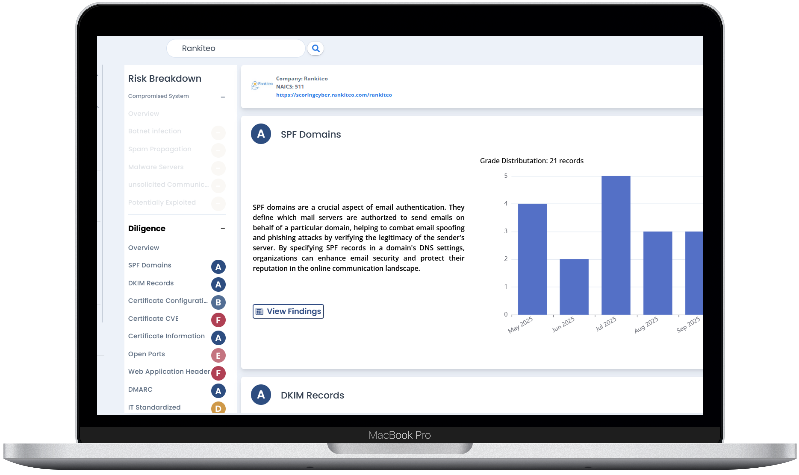
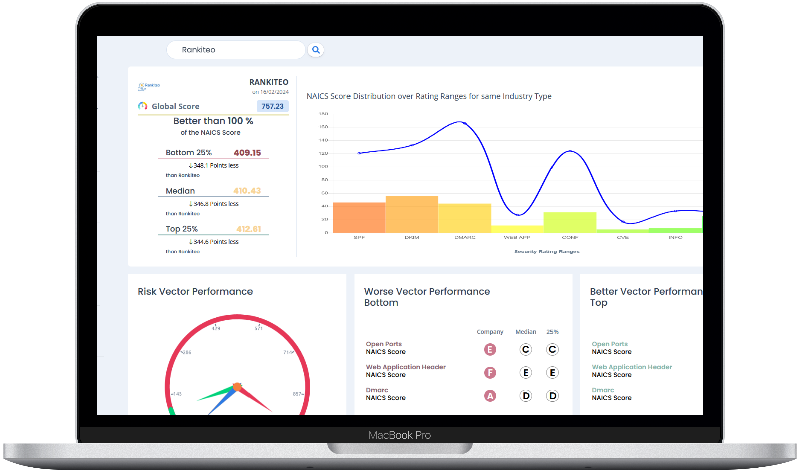
Every week, Rankiteo analyzes billions of signals to give organizations a sharper, faster view of emerging risks. With deeper, more actionable intelligence at their fingertips, security teams can outpace threat actors, respond instantly to Zero-Day attacks, and dramatically shrink their risk exposure window.
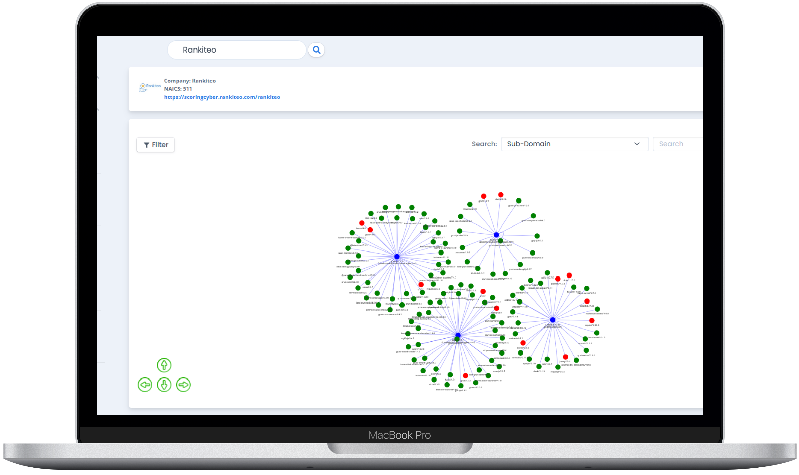
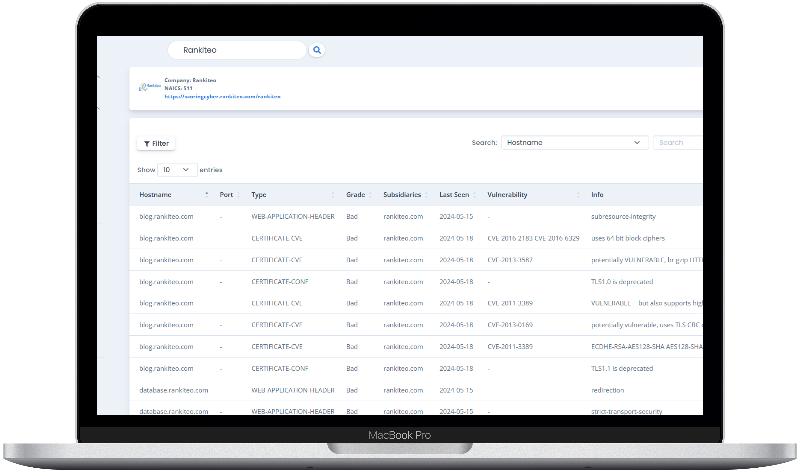
Identify exposed access points, detect misconfigured SSL certificates, and uncover vulnerabilities across the network infrastructure.
Gain visibility into the software components used within an organization to detect vulnerabilities, manage risk, and ensure supply chain security.
Monitor and manage all IT assets and their configurations to ensure accurate, real-time visibility across the company's technology environment.
Leverage real-time insights on active threats, malware campaigns, and emerging vulnerabilities to proactively defend against evolving cyberattacks.





 Rapid
Rapid